15 Must-Ask Influencer Marketing Interview Questions to Secure the Right Talent

Hiring influencer marketing talent requires deeper evaluation beyond resumes. Strategic interviews help identify professionals who can build authentic partnerships, manage performance, and deliver measurable results in an evolving digital landscape.
Influence Search: The Resume Is Just The Beginning When you’re looking to hire for an influencer marketing position, the hiring process extends far past their resume. And whether you are hiring someone to work on influencer campaigns, build relationships with creators, or just monitor the performance of your campaigns, by asking the right questions during the interview process you can discover that potential.
Why Influencer Marketing Roles Are Crucial Today

In today’s ad strategy, influencer marketing has an important place. Every year, businesses allocate millions toward teaming with influencers. These partnerships exploit the reach of influencers and their cultural relevance to reach audiences. Whether you are a brand or represent an agency, adding an experienced marketer to your organization can make sure such partnerships not only engage but also build brand trust and produce results that are measurable.
So where do you hope to locate somebody who can accomplish this? The right interview questions will separate the candidates who only “know the buzzwords” from those who can actually get things done.
Key Areas to Evaluate
Before jumping into the specific questions, it’s essential to understand the core skills and attributes you’re looking for in an influencer marketing professional. These include:
- Strategic Thinking: Their capability to align influencer campaigns with overall business objectives.
- Platform Expertise: An understanding of platforms like Instagram, TikTok, YouTube, and emerging channels.
- Relationship Management Skills: The ability to build and maintain relationships with influencers.
- Analytical Abilities: Comfort with metrics, tools, and performance tracking to improve campaigns.
- Creativity: Innovative ideas to create engaging campaign strategies.
With these areas in mind, here are 15 questions to guide your interview process.
General Background Questions
Start by gaining insights into the candidate’s past experiences and approach to influencer marketing.
1. Can you share your experience with influencer marketing campaigns?
This question helps identify their hands-on experience. Look for examples that showcase creativity, strategy, and measurable results.
2. Which influencer marketing platforms have you worked on, and how did you use them?
Ensure the candidate knows the ins and outs of platforms relevant to your business. Bonus points if they mention effective use of niche or emerging platforms.
3. Can you describe a successful influencer marketing campaign you managed? What made it successful?
A strong candidate will provide specific examples, including clear objectives, execution, and results.
4. Tell me about a time when an influencer campaign didn’t go as planned. How did you handle it?
This reveals their problem-solving skills and demonstrates their ability to adapt to challenges.
5. How do you stay updated with trends in influencer marketing?
The industry is continuously evolving. Candidates must demonstrate they’re proactive about learning and staying ahead of trends.
Strategy and Planning Questions
Understanding the candidate’s strategic approach is critical to ensure alignment with your brand’s goals.
6. How do you go about identifying the right influencers for a campaign?
The best candidates will outline a systematic approach, including evaluating audience alignment, engagement rates, and authenticity.
7. How would you build an influencer marketing campaign from scratch?
This open-ended question reveals whether the candidate can think holistically about a campaign, from research and influencer selection to execution and evaluation.
8. How do you balance creative freedom for influencers with keeping the campaign on-brand?
Top candidates understand the importance of giving influencers autonomy while ensuring the campaign aligns with brand guidelines.
9. How do you set goals and KPIs for influencer marketing campaigns?
Look for candidates who define metrics such as reach, engagement, conversions, and ROI to determine success.
10. How do you approach audience targeting for influencer campaigns?
An experienced professional will talk about identifying demographics, interests, and behaviors to achieve more precise targeting.
Relationship Management Questions

Since building relationships is at the heart of influencer marketing, these questions highlight the candidate’s interpersonal skills.
11. How do you establish and maintain strong relationships with influencers?
Listen for answers that explain how they balance professionalism with authentic, meaningful connections.
12. Have you worked with micro, macro, or nano influencers? What are the differences in your approach?
This demonstrates their flexibility and understanding of the varying dynamics across influencer tiers.
13. How do you handle difficult situations with influencers, such as unmet expectations or disagreements?
This gauges their ability to manage sensitive situations with professionalism and tact.
Reporting and Analysis Questions
Measuring the effectiveness of influencer campaigns is non-negotiable. These questions uncover the candidate’s analytical skills.
14. What tools or platforms do you use to measure performance and ROI for influencer campaigns?
Top prospects will mention platforms like Google Analytics, Sprout Social, or other influencer-specific tools such as Aspire, Creator IQ, or Upfluence.
15. How do you analyze the performance of an influencer campaign and use that data to make improvements?
Strong candidates will talk about tracking metrics like engagement rates, click-through rates, and conversions, and they’ll have examples of making strategic adjustments based on results.
What to Look for in Their Answers
- Practical Experience: The candidate should show evidence of campaign management, including measurable results.
- Thoughtful Answers: A deep understanding of your brand’s needs and target audience.
- Innovative Solutions: Examples of creative, out-of-the-box thinker strategies that went beyond traditional approaches.
- Metrics-Focused: An analytical mindset with an understanding of how to track and interpret data.
Closing the Interview
Wrap up your conversation by giving candidates an opportunity to shine further with a closing question:
“Is there a specific influencer marketing trend or innovation you’re excited about?”
Their response will reveal how passionate they are about the field and whether they possess forward-thinking insights.
Handling Risk and Reputation Management
Influencer partnerships come with reputational risk. Interviewing candidates about crisis management reveals maturity and foresight. Ask how they handle influencer controversies, missed deadlines, or misaligned content. The best candidates demonstrate proactive screening, clear contracts, and calm problem-solving. Their ability to protect brand reputation is just as important as driving reach or engagement.
Collaboration Across Teams
Influencer marketing rarely operates in isolation. Professionals must collaborate with brand, legal, sales, and content teams. Interview answers should reflect cross-functional communication skills and alignment with internal stakeholders. Candidates who understand internal workflows tend to execute campaigns more efficiently and reduce friction across departments.
Future-Readiness in Influencer Marketing Talent
The influencer marketing landscape changes rapidly. Interview questions should assess whether candidates are future-focused—comfortable with AI tools, evolving regulations, and new content formats. Candidates who show curiosity and adaptability are more likely to grow with your organization and sustain performance over time.
Finding the Right Fit for Your Team
The practice of Influencer Marketing, has never been more important for enterprises. Yet in the hands of a professional, it can amplify the reach of your brand, get to grips with your audience authentically and inexpensive, and bring home an ROI that you can feel on your balance sheet.
Follow these interview questions to make sure you hire the best candidate for your influencer marketing team.
Before you charge into the next campaign or bring your next influencer marketer on board, have you thought to use AI tools like Jasper for campaign content optimization? Reach out for Jasper now and find new horizons of marketing strategy with fresh eyes.
Influencer Marketing for NFTs: A Specialized Skill Set
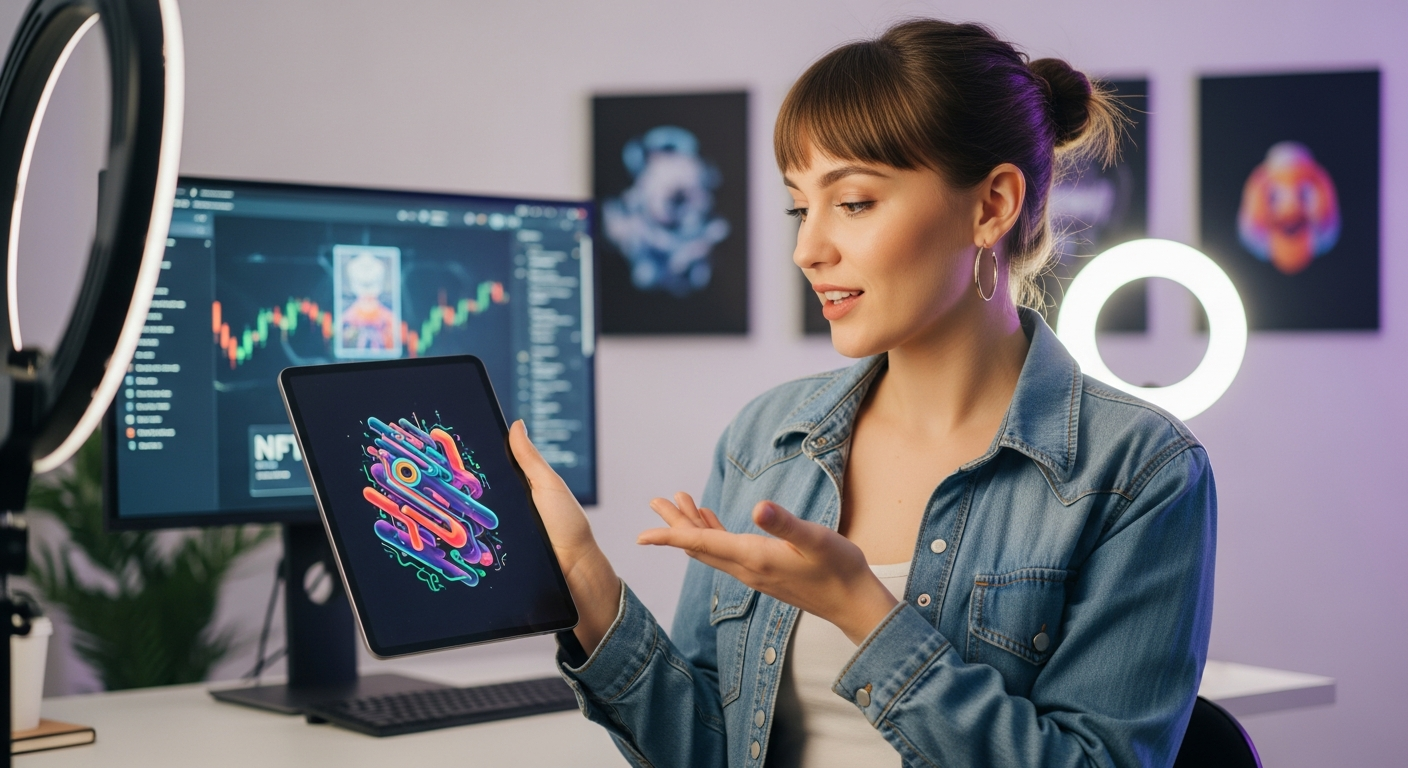
Influencer marketing for NFTs requires a deeper level of expertise compared to traditional campaigns. NFT audiences are highly community-driven, tech-savvy, and sensitive to authenticity. When hiring influencer marketing talent for NFT projects, it’s essential to assess whether candidates understand Web3 culture, Discord and Twitter (X) communities, and the importance of trust in decentralized ecosystems. Strong candidates should know how to evaluate NFT-focused creators, avoid hype-driven partnerships, and communicate long-term value instead of short-term speculation. Interview questions should explore experience with NFT launches, community engagement, whitelist campaigns, and creator credibility. A skilled NFT influencer marketer can help projects build legitimacy, drive meaningful engagement, and sustain value beyond the initial mint.
Conclusion
Hiring the right influencer marketing professional requires more than reviewing resumes. A thoughtful interview process helps identify candidates who combine strategy, creativity, analytics, and relationship management. The right hire can turn influencer marketing into a sustainable growth engine rather than a short-term experiment.
Frequently Asked Questions (FAQs)
1. Why are interview questions critical for influencer marketing roles?
Interview questions are critical because resumes often highlight results without explaining how those results were achieved. Influencer marketing requires strategic thinking, adaptability, negotiation skills, and relationship management—qualities that can only be evaluated through discussion and real-world scenarios. Well-crafted interview questions help reveal how candidates approach challenges, make decisions, and handle unpredictable campaign dynamics.
2. What skills matter most in influencer marketing hiring?
The most important skills include strategic planning, platform expertise, relationship management, creativity, and analytical ability. A strong candidate understands how influencer campaigns support broader business goals, knows how platforms function, can collaborate effectively with creators, and uses data to improve performance. The combination of creative and analytical thinking is especially valuable.
3. Should candidates have experience with all platforms?
Not necessarily. While broad exposure is helpful, depth of experience on the platforms most relevant to your brand matters more. A candidate who deeply understands Instagram or TikTok, for example, may be more valuable than someone with shallow experience across many platforms. What matters most is adaptability and the ability to learn new platforms quickly.
4. How important is data analysis in influencer marketing?
Data analysis is extremely important because it turns influencer marketing into a measurable and scalable channel. Tracking metrics such as engagement rates, reach, clicks, conversions, and ROI allows marketers to optimize campaigns and justify budget decisions. Candidates should be comfortable using analytics tools and translating data into actionable insights.
5. What differentiates a strong candidate from an average one?
A strong candidate goes beyond execution. They think strategically, anticipate risks, solve problems proactively, and can clearly explain the impact of their work. They focus on outcomes, not just activities, and can demonstrate how past campaigns contributed to brand growth, revenue, or customer engagement.
6. Are soft skills important in influencer marketing roles?
Yes, soft skills are essential. Influencer marketing depends heavily on communication, negotiation, empathy, and conflict resolution. Professionals must manage expectations on both the brand and influencer sides. Strong interpersonal skills help build trust, maintain long-term partnerships, and navigate challenging conversations professionally.
7. How do interviews reveal creativity?
Interviews reveal creativity by asking candidates to share real examples of campaign ideas, content collaborations, or problem-solving situations. Creativity in influencer marketing isn’t just about flashy concepts—it’s about finding authentic ways to connect brands with audiences while respecting influencer voice and platform culture.
8. Should candidates understand contracts and compliance?
Yes, understanding contracts, disclosure guidelines, and compliance requirements is increasingly important. Influencer marketing professionals should be familiar with deliverables, usage rights, payment terms, and advertising regulations. This knowledge protects brands from legal risks and ensures transparent, ethical partnerships.
9. Is influencer marketing suitable for junior hires?
Influencer marketing can be suitable for junior hires, especially for execution-focused roles. With proper training, clear processes, and mentorship, junior professionals can support influencer outreach, content coordination, and reporting. Strategic oversight, however, should come from more experienced team members.
10. How can you assess trend awareness during interviews?
Trend awareness can be assessed by asking candidates about emerging platforms, new content formats, or recent industry shifts. Strong candidates actively follow creator trends, platform updates, and consumer behavior changes. Their answers should reflect curiosity, continuous learning, and an ability to adapt strategies accordingly.
11. Should influencer marketers collaborate with sales teams?
Yes, collaboration with sales teams is especially important in performance-driven and B2B influencer campaigns. Alignment ensures messaging consistency, better lead quality, and clearer attribution of results. Influencer marketers who understand sales objectives can create campaigns that support conversions, not just awareness.
12. Can AI tools support influencer marketing roles?
Absolutely. AI tools help streamline influencer discovery, content optimization, sentiment analysis, and performance tracking. They also support personalization and predictive insights. Candidates who are comfortable using AI tools often work more efficiently and make data-driven decisions faster.