Influencer Marketing Growth: Trends, Strategies & ROI Guide
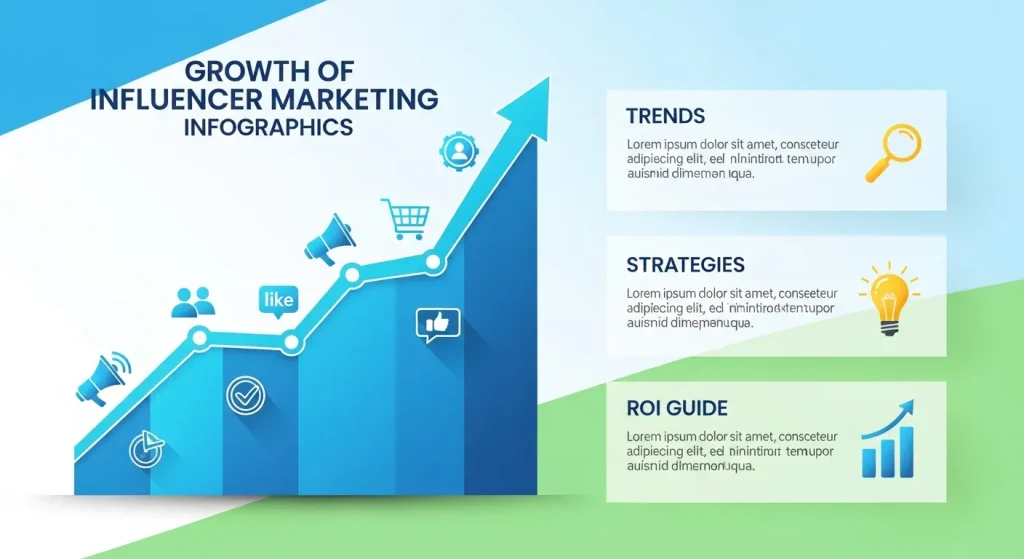
Influencer Marketing Growth has evolved into a data-driven, AI-powered strategy focused on authenticity, ROI, and long-term partnerships. With NFT innovation, community building, and performance tracking, it has become essential for modern digital brand success.
Influencer Marketing Growth has transformed what was once considered a trendy experiment into a mature, data-driven industry projected to generate over $24 billion in revenue. What began as brands partnering with celebrities for visibility has evolved into a strategic marketing powerhouse fueled by analytics, transparency, and measurable ROI.
But what is driving Influencer Marketing Growth today?
It is no longer just about flashy content or massive follower counts. Modern brands prioritize engagement quality, audience alignment, and performance tracking over vanity metrics. Businesses now demand transparency in sponsored collaborations and expect clear returns on investment. Influencers are evaluated based on authenticity, niche authority, and their ability to build meaningful community connections.
As a result, Influencer Marketing Growth reflects a shift toward long-term partnerships, AI-powered analytics, and performance-based models—making it one of the most essential strategies in today’s digital marketing landscape.
Influencer Marketing’s Evolution
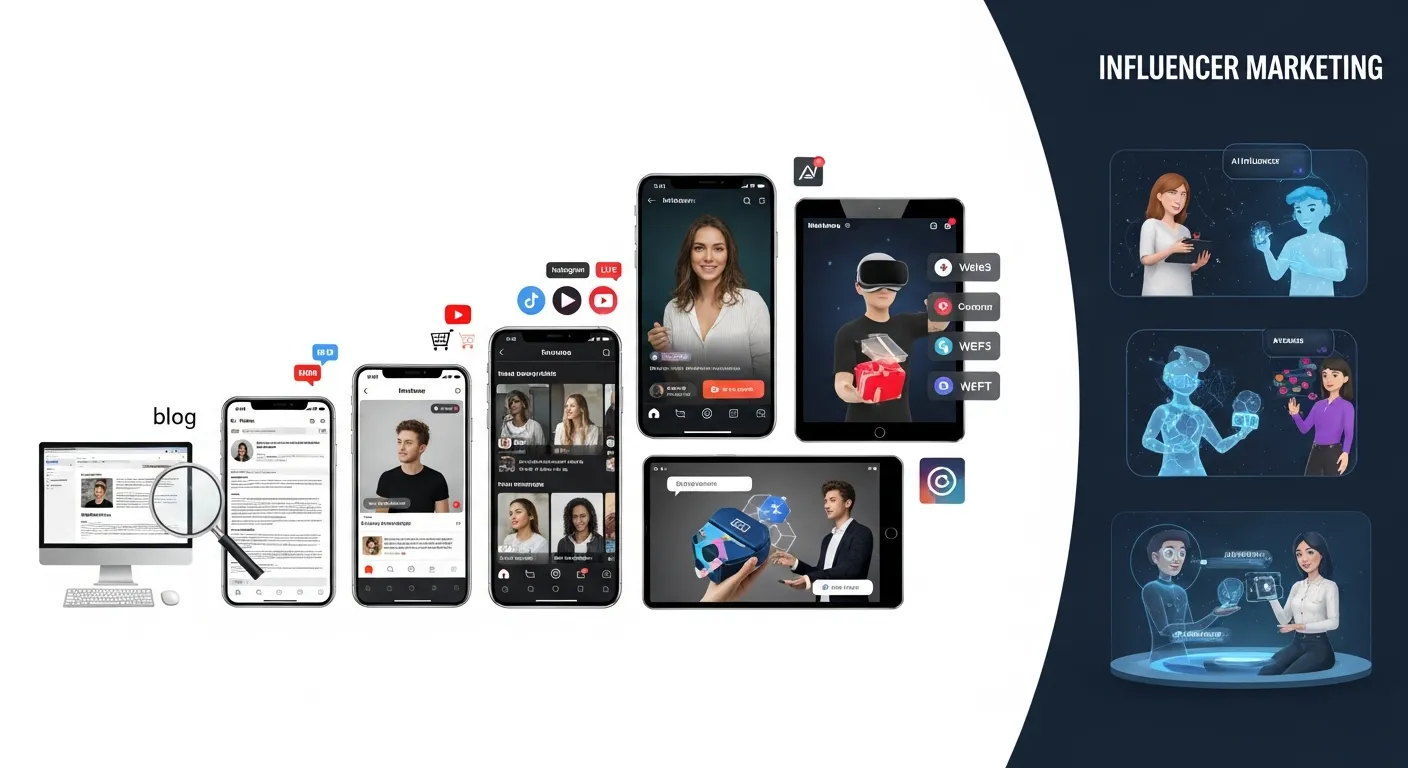
Mid-2010s influencer marketing had reached its peak, exotic. Celebrity endorsements and partnerships with influencers were based on speculation, and little was known of what they were actually doing. Brands threw money at influencers who had big followings, hoping for the best, while quite a few of these influencers engaged in activities such as fudging their stats regarding followers to get opportunities, it was obvious that most were just dumb artists.
Today, things are very different. Here are some main ways the landscape has changed over the last few years:
Strategies Driven by Data
Formerly, brands mainly picked influencers who had high follower counts. Now, thanks to advanced analytical tools, marketers can access detailed data on such things as engagement rates within an audience demographic, information and IP addresses where your message spreads; they get real when A BRAND MEETS ITS CONSUMER. Platforms like CreatorIQ and AspireIQ allow a more informed way for partners to evaluate their relationship based on actual information rather than any speculation.
Regulation and Transparency
The Federal Trade Commission (FTC) increased regulations, requiring disclosure of sponsored content by influencers using hashtags like #ad or #sponsored. Although not perfect, these rules have served to create trust between brands and influencers, and between influencers and users, by making sponsorships more transparent.
Long-Term Partnerships
No longer are brands pursuing just one-off posts nowadays, but proceeding to develop long-term relationships with influencers corresponding their business philosophy which can result in more genuine, and hence effective, advertising. This approach also promotes deeper brand-influencer collaborations.
Diversification Beyond Social Media
Influencers now run across a range of different platforms, including TikTok, YouTube and even LinkedIn for B2B marketing. The opportunities opening up in newer media have permitted brands to enlarge their campaigns so that they engage niche audiences through imaginative means.
What’s Fueling the Maturity of Influencer Marketing?
Several factors have contributed to influencer marketing’s ‘coming of age’.
Shift Toward Authenticity
Consumers are growing more sophisticated and more mistrustful of pushed vanguard material. They prefer influencers who really use and believe in the products they endorse. Brands have responded by partnering with shopkeepers if they’re known for aestheticism—even if they happen to have smaller (in number) but highly committed audiences.
This tendency opened the door to the emergence of micro-influencers (10k–50k followers) and nano-influencers (fewer than 10k followers), each of whom often engages more with his or her own audience. According to Influencer Marketing Hub’s 2033 report, these smaller-scale influencers enjoy engagement rates from 8–10% as opposed to only 1–3%. For comparison, the engagement rate for mega-influencers is just 1–3%.
Performance-Based Models
The era is past when brands were able to pay enormous sums for a single post without any discernible results. Nowadays, with performance marketing as its main principle of operation, influencer advertising remunerates on a pay-per-result basis with such outputs as clicks, conversions and sales. Affiliated marketing programs and traceable discount codes enable brands to determine just what effect each influencer has had on a given promotion—so that accountability in partnerships becomes clearer as well.
On the Benefits of Long-Term Cooperation
The more sophisticated influencer marketing becomes, the better it is for companies, consumers and creators.
For Brands
Because they more efficiently reach their target audience, campaigns can be optimized to yield a greater ROI. Businesses can turn long-term collaborations into opportunities for co-creation with the help of this feature. Connecting businesses better to both niche and mainstream markets can enhance their market position and ability to appeal.
For Consumers
With content that is more relatable than traditional advertising, influencer-generated products present a genuine interest in transparency and authenticity. Consumers are introduced to truly useful products and less “fake advertising.”
For Influencers
Influencers also benefit from more genuine and open partnerships. They can use every opportunity to work with brands that align with their audience and personal identity, maintaining the trust and credibility they have built up.
Challenges in the Changing Scenario
While influencer marketing has grown a lot, it’s still a work in progress.
Finding the Right Partners
Even with sophisticated technology at one’s command, finding influencers who will resonate with a brand is still a challenge. Mistakes can lead to wasted resources and lost trust.
Advances in AI and Technology
Artificial intelligence is used by influencer marketing platforms to match brands with influencers who reach the same audience as they do or work in related fields and can help to achieve their goals. Platforms like Heepsy or Traackr can scan through millions of profiles and pick out all of the most suitable partners, reducing time and effort for the selection process.
AI also lets businesses estimate in advance how well an influencer partnership might work.
Integrating with Multi-Channel Strategies
Influencer marketing is no longer a standalone. Companies now integrate it seamlessly into a multi-channel marketing strategy that revolves around social media, mailing lists, and even TV. For example, an influencer might use an online teaser campaign to launch a new product, timed to coincide with the store launch and emails that go out to VIP customers.
Advantages of Late-Stage Influencer Marketing

The greater sophistication of influencer marketing is a boon for brands, consumers and creators alike.
For Businesses
The target audience is reached more effectively, campaigns are better adapted to ROI, and long-term collaborations can be platforms of co-creation. Companies can bridge both the mainstream markets and niche ones, expanding their reach and their customer base too.
For Consumers
With an emphasis on transparency and authenticity, consumers are confronted by genuinely useful products rather than “fake advertising.” Influencer-generated content seems to speak more directly to people than traditional ads.
Content Saturation
So many brands have turned to Instagram’s influencer marketing, and such a great surge in content can cause audience fatigue. For such a cacophony, making single campaigns stand out at all is quite difficult.
Managing Authenticity
Despite the trend to pride it for its truthfulness, there are still some influencers who put money ahead of real endorsements. Brand must be on top of the publicity for partner carefully, and remain vigilant.
The Future of Influencer Marketing
Looking into the future, influencer marketing will continue to mature and diversify in exciting ways. Here are several trends to anticipate:
AI-Driven Customization
AI will play an important role in the future of influencer marketing, especially when campaigns are aimed at niche audiences. Brands will use AI to make the content they produce even more personal, in order to attract specific consumer segments.
Focus on Community Building
In the near future, success will come from creating communities rather than selling goods. Both those who are influenced and brands will prioritize the building of interactive, devoted audiences.
Virtual Influencers
That’s right. AI-powered virtual influencers are becoming a reality and gaining in popularity. These “avatars” can be custom-designed to match a brand’s message without all the hassle of working with flesh-and-blood talent.
Evolving Metrics
Brands will want even more sophisticated attribution models in the future to measure the nuances of influencer impact, from raising brand sentiment to driving long-term customer loyalty.
Make Influencer Marketing Work for You
While influencer marketing has matured, it’s not the time to take a leisurely approach. For maximum benefit, brands must keep up in a proactive, informed and creative way.
If you’re looking to take your influencer marketing campaigns to the next level, start by leveraging the latest tools and practices to build meaningful, impactful partnerships.
It’s time to get over seeing influencer marketing as the fashionable “and if you have a chance” No. It’s now an essential strategy for glory and customer loyalty time.
AI and Influencer Matching Technology
Artificial intelligence significantly contributes to Influencer Marketing Growth. AI-powered tools analyze millions of creator profiles to identify the most relevant influencers based on niche, audience behavior, and engagement quality. This reduces time spent on manual research and minimizes mismatched partnerships. Predictive analytics can estimate campaign performance before launch. AI also detects fake followers and engagement manipulation, improving transparency. As influencer marketing becomes more competitive, AI ensures precision and scalability. Brands leveraging smart technology gain a strategic advantage, allowing them to optimize budgets while maximizing campaign impact and audience alignment.
Influencer Marketing in B2B Industries
Influencer Marketing Growth is no longer limited to lifestyle brands. B2B companies now collaborate with industry experts, LinkedIn thought leaders, and podcast hosts. In B2B marketing, credibility and expertise matter more than popularity. Influencers share educational content, product demonstrations, webinars, and case studies that influence purchasing decisions. Because B2B sales cycles are longer, influencer relationships must focus on authority and trust building. This strategy generates qualified leads rather than impulse buyers. As businesses increasingly rely on digital decision-making, B2B influencer marketing continues to expand, proving its effectiveness beyond traditional consumer markets.
Multi-Channel Campaign Integration
Modern Influencer Marketing Growth depends on integration with broader marketing strategies. Campaigns now combine social media promotions with email marketing, paid ads, website landing pages, and offline events. Influencers might tease a product on Instagram, host a live launch on YouTube, and drive traffic to a branded landing page. This multi-channel approach strengthens brand messaging and increases conversion opportunities. Integrated campaigns also improve attribution tracking, helping brands understand the full customer journey. Influencer marketing is no longer isolated; it works as part of a synchronized digital ecosystem that maximizes reach and consistency.
Brand Safety and Crisis Management
As Influencer Marketing Growth accelerates, brand safety becomes increasingly important. Controversies involving influencers can damage brand reputation quickly. Mature marketing strategies include background research, contractual guidelines, and crisis response planning. Brands monitor influencer activity and audience reactions to prevent potential issues. Transparency and ethical alignment are critical. Choosing influencers who share similar values reduces risk. Effective crisis management protects long-term brand credibility. In today’s digital age, preparation is essential. Influencer marketing success depends not only on creativity but also on risk assessment and responsible partnership management.
Community-Centered Marketing Approach
Influencer Marketing Growth reflects a shift from transactional promotion to community building. Influencers nurture interactive audiences through live sessions, comments, polls, and exclusive groups. Brands benefit from this engaged ecosystem by participating in authentic conversations rather than broadcasting advertisements. Community-driven campaigns foster loyalty and long-term relationships. Instead of focusing solely on sales, brands prioritize value creation, education, and meaningful interaction. This strategy strengthens emotional connection and customer retention. In an era where consumers value belonging and authenticity, community-based influencer marketing creates sustainable growth and brand advocacy.
Content Diversification and Video Dominance
Short-form and long-form video content significantly fuel Influencer Marketing Growth. Platforms like TikTok, Instagram Reels, and YouTube Shorts prioritize engaging video storytelling. Influencers adapt quickly to algorithm changes, creating content that captures attention within seconds. Brands design campaigns specifically for video consumption patterns. Video increases relatability and shares complex messages effectively. Additionally, podcasts and live streams expand content diversity. As audiences consume more visual and interactive media, influencer strategies evolve accordingly. Brands that embrace multimedia storytelling enhance reach, engagement, and overall campaign performance.
Sustainability and Ethical Branding
Consumers increasingly demand ethical responsibility from brands. Influencer Marketing Growth now includes sustainability-focused collaborations. Influencers promote eco-friendly products, social causes, and responsible business practices. Authentic advocacy strengthens trust and brand reputation. However, brands must avoid misleading claims. Transparency in messaging ensures credibility. Ethical partnerships resonate strongly with younger audiences who prioritize values-driven consumption. Influencer marketing becomes more than promotion; it becomes a platform for social awareness and meaningful change. Brands aligning with sustainability trends position themselves competitively in modern markets.
NFT Marketing and Web3 Influence
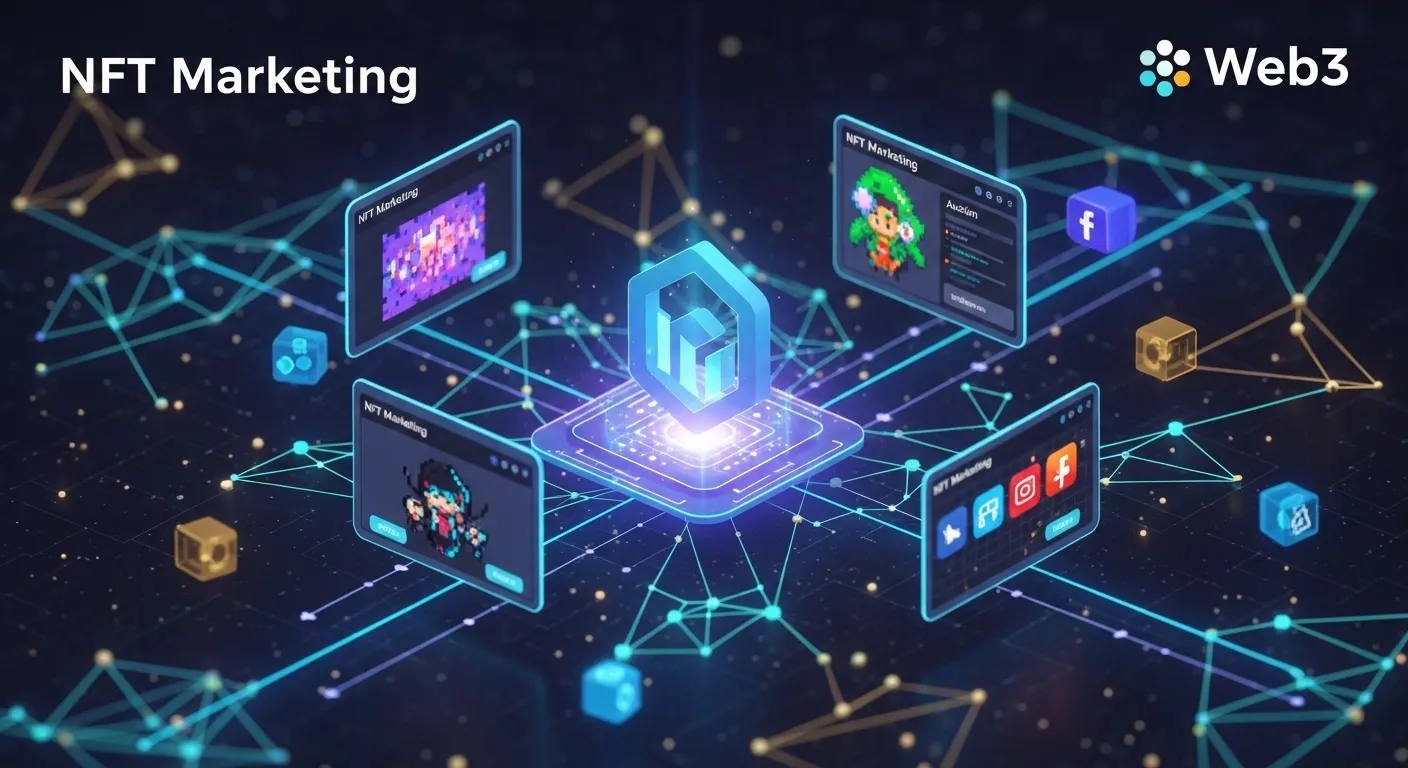
NFT marketing represents an innovative dimension of Influencer Marketing Growth. Influencers help educate audiences about digital ownership, blockchain technology, and exclusive community access. NFT campaigns often combine limited-edition digital collectables with influencer storytelling. Creators host live sessions, Twitter Spaces, and Discord events to engage crypto communities. Because NFTs require trust and technical understanding, influencers play a key role in simplifying complex topics. Successful NFT influencer campaigns focus on transparency, scarcity, and long-term value rather than hype. As Web3 ecosystems expand, influencer partnerships will shape how digital assets are marketed and adopted.
Conclusion
Influencer Marketing Growth reflects a powerful transformation from experimental promotion to strategic, data-driven collaboration. With AI tools, transparency, niche targeting, and NFT integration, influencer marketing has become essential for sustainable brand success. Businesses that prioritize authenticity and measurable ROI will dominate the evolving digital landscape.
FAQs
1. Why is influencer marketing growing rapidly?
Influencer marketing is growing rapidly because consumers increasingly trust creators more than traditional advertisements. It delivers highly targeted reach, authentic product recommendations, and measurable ROI. As digital consumption rises, brands invest more in influencer partnerships to connect with niche communities effectively.
2. What is Influencer Marketing Growth?
Influencer Marketing Growth refers to the rapid expansion, professionalization, and data-driven evolution of influencer marketing worldwide. It reflects increased brand investment, AI-powered analytics, long-term partnerships, and performance-based models that make influencer campaigns more strategic and measurable than ever before.
3. How is ROI measured in influencer campaigns?
ROI in influencer campaigns is measured using engagement rates, click-through rates, conversions, affiliate links, discount codes, and advanced attribution models. Brands also track brand sentiment, audience growth, and customer retention to evaluate both short-term performance and long-term impact.
4. How does AI support influencer marketing?
AI supports influencer marketing by analyzing audience demographics, engagement authenticity, and niche relevance. It helps brands identify suitable influencers, detect fake followers, predict campaign outcomes, and optimize budgets. AI-driven tools significantly improve efficiency and campaign success rates.
5. What are micro influencers?
Micro influencers are creators with approximately 10,000 to 50,000 followers. They often maintain strong engagement rates and close audience relationships. Their content feels authentic and relatable, making them highly effective for brands seeking targeted reach and meaningful conversions.
6. Are nano influencers effective for brand campaigns?
Yes, nano influencers, typically with fewer than 10,000 followers, are highly effective due to strong personal connections within small communities. Their recommendations often feel genuine and trustworthy, resulting in higher engagement and improved conversion rates despite limited audience size.
7. Is influencer marketing effective for B2B businesses?
Influencer marketing is increasingly effective for B2B companies when partnering with industry experts, LinkedIn thought leaders, and niche professionals. These influencers share educational content, case studies, and insights that influence long-term purchasing decisions and build professional credibility.
8. What risks exist in influencer marketing?
Influencer marketing risks include reputation damage, influencer controversies, audience misalignment, fake followers, and content saturation. Brands must conduct background research, use performance tracking tools, and establish clear contracts to minimize potential negative impacts.
9. How do brands ensure transparency in influencer partnerships?
Brands ensure transparency by complying with disclosure regulations such as using #ad or #sponsored tags. They also implement clear contracts, track measurable performance metrics, and maintain open communication to protect audience trust and brand credibility.
10. What role does authenticity play in Influencer Marketing Growth?
Authenticity is central to Influencer Marketing Growth because audiences value genuine recommendations over scripted promotions. Influencers who truly believe in products create stronger emotional connections, which leads to higher engagement, improved brand trust, and long-term customer loyalty.
11. How do NFTs connect with influencer marketing strategies?
NFTs connect with influencer marketing through digital asset promotions, community engagement, and educational content. Influencers introduce audiences to blockchain concepts, exclusive NFT drops, and token-based membership benefits, driving innovation within digital and Web3 marketing ecosystems.
12. What is the future of Influencer Marketing Growth?
The future of Influencer Marketing Growth includes AI-driven personalization, virtual influencers, advanced attribution models, and community-focused campaigns. Brands will prioritize long-term collaborations, data transparency, and interactive experiences to maintain relevance in evolving digital markets.