Influencer Marketing for Beginners: Strategy & Guide

Influencer marketing helps brands connect with targeted audiences through trusted creators. By setting goals, choosing the right influencers, and tracking performance, businesses can increase engagement, sales, and brand credibility effectively.
Influencer marketing is no longer just a buzzword. For businesses of all sizes, it is now a vital strategy for reaching new audiences, increasing sales, and building brand credibility. But where do you even begin if you’re unfamiliar with this field? Don’t worry, we’ve got you covered. This beginner-friendly guide walks you through the basics of influencer marketing, why it works, and how to launch your first campaign successfully.
What is Influencer Marketing?
When companies do influencer marketing, they work with an influencer who has a personal, online media following. That person or those people, in the capacity of an influencer, will use their own media channels to publicize products and services to the audience through genuine content such as posts videos or stories.
Whether this is from a post on WeChat, an in-person Instagram video live stream or a blog anywhere with much single success (apart from blogs from Australia where people are paid to write such articles) — it doesn’t matter as long as people get your message. People trust and believe those whom they like more than they do traditional advertising.
Why Influencer Marketing Works
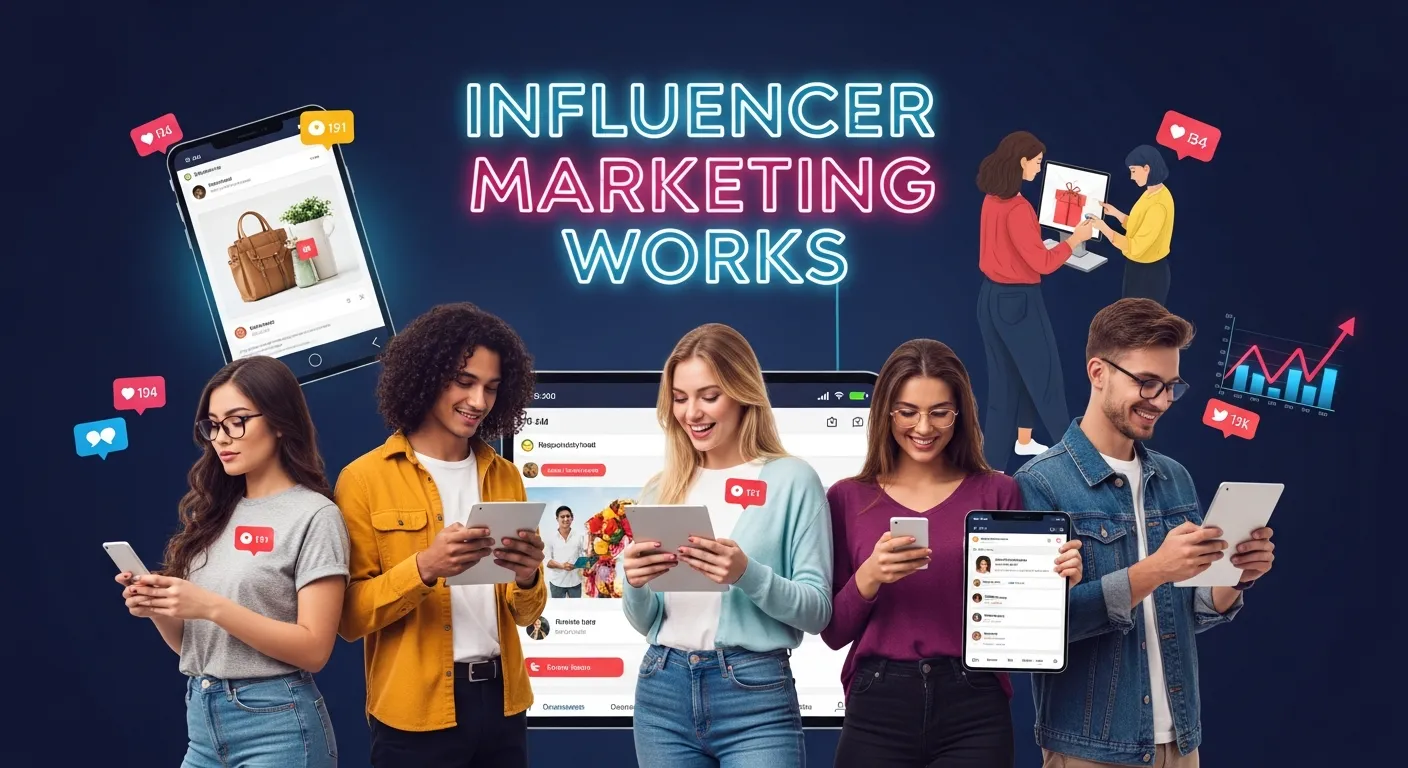 If executed correctly, influencer marketing can produce outstanding results. Here’s why it’s such a powerhouse:
- Trust and Authenticity: Influencers build genuine relationships with their followers. When they recommend a product, it feels like advice from a trusted friend.
- Access to Niche Audiences: Influencers often have audiences that align with specific demographics or interests. Collaborating with the right influencer means speaking directly to the people you want to reach.
- Higher Engagement: Sponsored posts from influencers often generate more likes, shares, and comments than traditional ads.
- ROI Potential: Studies show that influencer marketing campaigns earn $5.20 for every $1 spent, making it a cost-effective strategy for both small businesses and large corporations.
Types of Influencers
Before you jump in, it’s important to understand the different types of influencers. Not all influencers are created equal, and choosing the right one depends on your goals and budget.
Mega-Influencers (1M+ followers)
- Known for their celebrity status (think famous actors, musicians, or athletes).
- Reach a huge audience but tend to be expensive.
- Best for large-scale campaigns aiming for maximum brand exposure.
Macro-Influencers (100K–1M followers)
- Professional content creators with strong presence across multiple platforms.
- Great for both visibility and conversions.
Micro-Influencers (10K–100K followers)
- Cater to niche audiences that are highly engaged.
- Cost-effective and perfect for small businesses or targeting specific markets.
Nano-Influencers (1K–10K followers)
- Small follower base but highly trusted within their community.
- Ideal for hyper-local campaigns or super-specific audiences.
Steps to Launching Your First Influencer Marketing Campaign
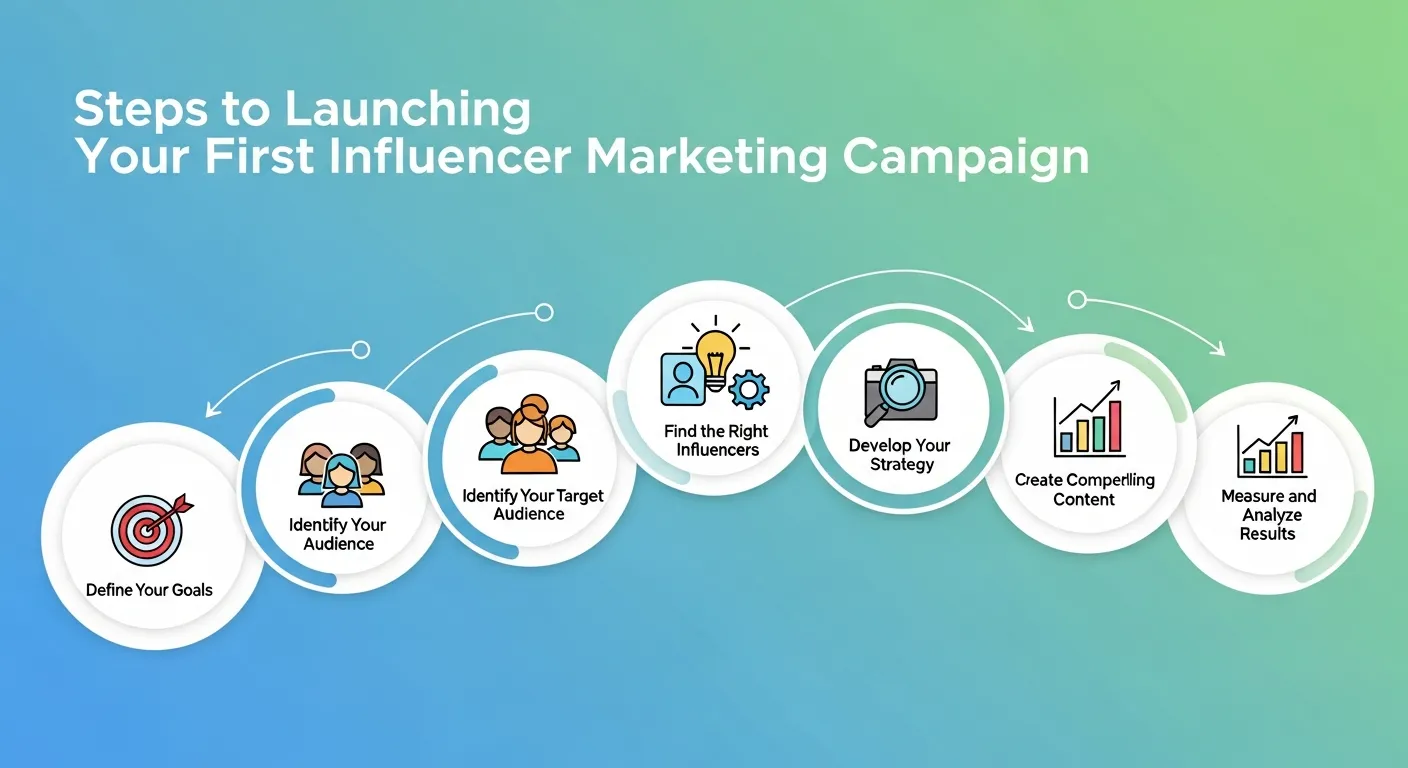 Feeling overwhelmed? Don’t be! We’ve broken down the process into manageable steps to help you get started.
Step 1. Define Your Goals
First and foremost, figure out what you want to achieve with your campaign. Are you trying to increase brand awareness? Drive sales? Promote a new product? Having clear objectives is crucial for measuring success.
For example:
- Awareness Goal: Track impressions, reach, and engagement.
- Sales Goal: Provide influencers with unique discount codes or affiliate links to monitor conversions.
- Traffic Goal: Measure clicks to your website from the influencer’s posts.
Step 2. Identify Your Audience
Determine who you want to reach. Are you targeting millennials, Gen Z, or busy moms? Understanding your ideal customer will help you find influencers with overlapping audiences.
Pro tip: Use analytics tools like Google Analytics or Instagram Insights to get a better understanding of who your current customers are. This data can guide your influencer selection process.
Step 3. Find the Right Influencers
Once you know your audience, begin searching for influencers who align with your brand. Look for influencers whose content style and values match your company’s ethos.
How to find influencers:
- Search Social Media: Use hashtags related to your industry (e.g., #fitnessblogger, #techreview) to discover accounts in your niche.
- Influencer Platforms: Tools like Upfluence, AspireIQ, and Grin make influencer discovery easy.
- Existing Fans: Check your brand’s existing followers. You may already have influencers who love your product!
Step 4. Reach Out to Influencers
When you find the right influencers, reach out with a personalized message. Make it clear why you want to work with them and how the partnership will benefit both parties.
Example pitch:
“Hi [Influencer’s Name],
I love your content about [specific topic]! I think your style perfectly aligns with our brand, [Your Brand Name]. I’d love to collaborate on a campaign to introduce our [specific product] to your audience. We’re sure it’ll resonate with them too! Feel free to reach out if you’re interested, and I can share more details!”
Step 5. Plan the Collaboration
Once an influencer agrees to work with you, outline the specifics of your partnership:
- What content will they create? (e.g., Instagram posts, TikTok videos)
- Deadlines and delivery timelines
- Compensation (flat fee, commission, or free product)
Ensure both parties have a clear agreement in writing to avoid misunderstandings.
Step 6. Track and Measure Results
The work doesn’t end when the influencer posts the content. Be sure to track the performance of your campaign using metrics like:
- Engagement Rate: Likes, comments, shares.
- Traffic: Website visits from the influencer’s links.
- ROI: Compare revenue generated vs. expenses.
Use these insights to refine your future influencer marketing campaigns.
Common Mistakes to Avoid
- Choosing the Wrong Influencer: Don’t just go for high follower counts. Make sure their audience fits your brand’s target market.
- Being Overly Controlling: While it’s okay to give guidelines, influencers know their audience best. Allow them the creative freedom to craft authentic content.
- Ignoring Analytics: Numbers matter. Skipping this step makes it hard to learn what works and what doesn’t.
Is Influencer Marketing Right for You?
You just want to make can reminder happy, new techniques for the old idea. “Could you make me happier?” It will be a great help if the reader group can make a helping hand. Added September 22, 2016.
Measuring Engagement Rate Correctly
Engagement rate is more important than follower count. Calculate engagement by dividing total likes, comments, and shares by follower count, then multiply by 100. High engagement indicates an active and interested audience. Compare engagement rates across influencers to identify the best fit. Look beyond vanity metrics and analyze comment quality as well. Genuine conversations show authentic influence.
Using Affiliate Marketing with Influencers
Affiliate partnerships are performance-based collaborations where influencers earn commission for each sale generated. This reduces financial risk for brands and motivates influencers to promote effectively. Provide trackable links or unique discount codes to monitor conversions. Affiliate marketing aligns incentives and ensures measurable ROI.
Legal Disclosure and Transparency
Transparency builds credibility. Influencers must disclose sponsored content using hashtags like #ad or #sponsored. Proper disclosure complies with advertising regulations and maintains audience trust. Failure to disclose can damage brand reputation and lead to penalties. Always clarify disclosure expectations before campaign launch.
Future Trends in Influencer Marketing
 Influencer marketing continues evolving. Trends include AI-powered influencer matching, virtual influencers, short-form video dominance, and data-driven campaign optimization. Brands are also prioritizing authenticity and community-driven marketing. Staying updated ensures your strategy remains competitive and effective.
Conclusion
Influencer marketing is a powerful strategy that blends authenticity with targeted promotion. By choosing the right influencers, setting clear goals, and tracking performance metrics, businesses can build meaningful connections with their audiences. Whether you are a small startup or an established brand, influencer marketing offers measurable growth opportunities. The key is strategy, transparency, and consistency. With proper planning and execution, your first campaign can open doors to long-term brand awareness, engagement, and sales success.
FAQs
1. What is influencer marketing?
Influencer marketing is a digital marketing strategy where brands collaborate with content creators who have a dedicated online following. These influencers promote products or services through authentic content such as posts, videos, stories, or reviews. Unlike traditional advertising, influencer marketing relies on trust and personal connection. Because followers view influencers as relatable and credible, recommendations often feel more genuine. This approach helps brands increase awareness, drive engagement, and generate conversions in a more natural and persuasive way.
2. Is influencer marketing expensive?
Influencer marketing costs vary depending on the influencer’s follower count, engagement rate, platform, and content type. Mega influencers charge high fees, while nano and micro-influencers are more affordable and often provide better engagement rates. Small businesses can start with product exchanges or affiliate-based collaborations to minimize upfront costs. The key is focusing on ROI rather than just price. A well-planned campaign with the right influencer can deliver strong returns even with a limited budget.
3. How do I find the right influencer?
Finding the right influencer requires research and audience alignment. Start by identifying your target demographic, then search relevant hashtags, competitor collaborations, and influencer platforms. Evaluate engagement rate, content quality, tone, and audience authenticity. Avoid focusing only on follower count. Review comments to ensure followers are real and actively engaged. The best influencer is someone whose values, style, and audience naturally match your brand identity.
4. What is the best platform for influencer marketing?
The best platform depends on your business goals and target audience. Instagram and TikTok are ideal for lifestyle, beauty, and fashion brands. YouTube works well for in-depth product reviews and tutorials. LinkedIn is powerful for B2B marketing and professional services. Pinterest supports visually driven industries like home decor and DIY. Analyze where your audience spends the most time and choose the platform that aligns with your content format and campaign objectives.
5. How do influencers get paid?
Influencers can be compensated in several ways. Common payment methods include flat fees per post, performance-based commissions (affiliate marketing), gifting products, long-term brand ambassador deals, or hybrid models combining multiple options. Payment depends on campaign scope, content type, and influencer reach. Clear agreements about compensation should be established before collaboration begins to avoid misunderstandings and ensure transparency.
6. How long should a campaign run?
Campaign length depends on your goals. Short-term campaigns (2–4 weeks) are suitable for product launches or promotions. However, long-term partnerships often deliver better results because repeated exposure builds trust and brand familiarity. Influencers who consistently promote your brand appear more authentic to their followers. Ongoing collaborations also improve customer retention and long-term ROI.
7. How do I measure ROI?
To measure return on investment (ROI), track performance metrics aligned with your goals. Monitor website traffic, engagement rate, reach, conversions, and revenue generated. Use trackable affiliate links, UTM parameters, or discount codes to attribute sales accurately. Compare campaign costs against revenue and brand growth metrics. Analyzing these insights helps you refine future campaigns and maximize profitability.
8. Can small businesses use influencer marketing?
Yes, influencer marketing is highly accessible for small businesses. Micro and nano-influencers offer affordable options while delivering strong engagement within niche communities. Small brands can also collaborate locally to target specific geographic audiences. With strategic planning and clear goals, small businesses can compete effectively using influencer marketing without requiring large advertising budgets.
9. What mistakes should I avoid?
Common mistakes include choosing influencers solely based on follower count, failing to define clear campaign goals, over-controlling creative content, and neglecting analytics. Another mistake is not checking audience authenticity, which can result in collaborations with fake followers. Avoid these pitfalls by conducting proper research, allowing creative freedom, and continuously measuring campaign performance.
10. Do influencers need to disclose sponsorships?
Yes, influencers are legally required in many countries to disclose paid partnerships. Using hashtags like #ad or #sponsored ensures transparency and maintains audience trust. Proper disclosure protects both the influencer and the brand from legal issues. Transparency strengthens credibility and builds long-term relationships with consumers.
11. Is influencer marketing good for B2B?
Yes, influencer marketing is effective for B2B businesses, especially when partnering with industry experts, thought leaders, or niche content creators. Platforms like LinkedIn and YouTube are particularly strong for professional audiences. B2B influencer campaigns often focus on educational content, webinars, case studies, and product demonstrations. This builds authority, trust, and high-quality lead generation.
12. Can influencer marketing increase brand loyalty?
Absolutely. Consistent influencer partnerships create familiarity and emotional connection with audiences. When influencers repeatedly endorse a brand authentically, followers develop trust and confidence in the product. This trust translates into repeat purchases and long-term loyalty. Influencer marketing not only drives sales but also strengthens brand perception and customer relationships over time.