Influencer Marketing Failures: Causes & Key Lessons
Influencer marketing failures reveal the importance of authenticity, audience alignment, research, and realistic expectations. Brands that learn from past mistakes and build strategic, transparent partnerships achieve stronger engagement, credibility, and long-term growth.
Influencer marketing has become a weapon of choice for brands. One single post shared by the right person can put a product straight on the map or start a trend that sends purchases and brand recognition sky-high. Seems like a no-brainer, no? However, this strategy does not always work that smoothly. For every success story, behind it are 100s of failed ones, so influencer marketing is not exactly a sure bet.
The cost of influencer marketing can take a huge dip from unsuccessful partnerships to PR disasters when it goes wrong. However, those failures come with important lessons for any willing brand. This blog takes a look at some of the most widely criticized influencer marketing misfires, discusses the reasons behind them, and shares tips you can put into practice to pave the way for success with your influencer partnerships.
The Reason Why Influencer Marketing Fails
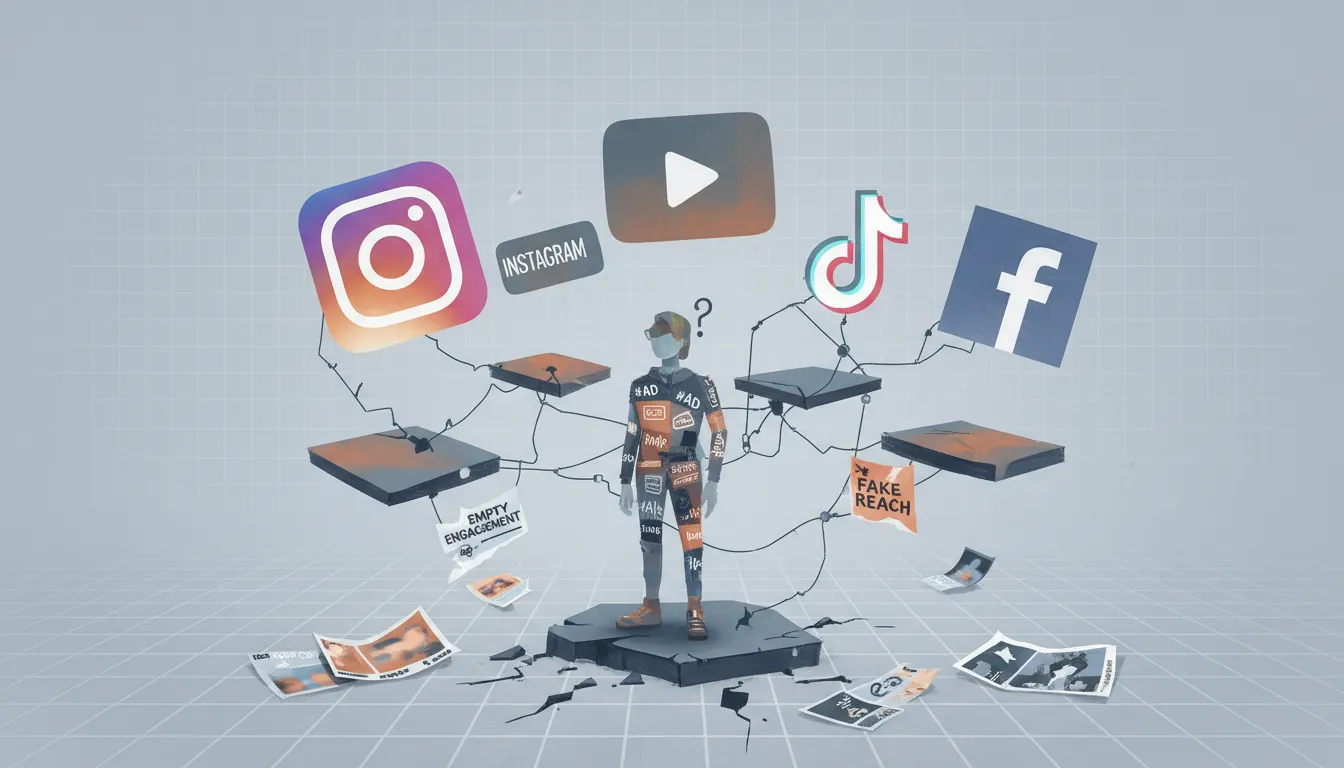
But before we delve into the big tutus, here are the main reasons influencer marketing goes wrong. Grasping these pratfalls is the first step to having a successful game plan.
Lack of Authentic Alignment
Aligning your brand with an incompatible influencer can be a disaster. Many influencers are the unique voice of their niche, and if their persona does not align with your brand or values, the promotion may be forced or ineffectively inauthentic to their audience. To understand how to align effectively, check out the importance and success of influencer marketing.
Example Fail:
A high-end designer collaborates with a fitness influencer whose fans are more budget-focused and practicality-based. This type of collaborative activity often confuses the followers and lowers the brand’s credibility as well.
Overlooking Audience Insights
Having millions of followers would not translate to reach for your brand, just because the influencer is popular. When marketers focus on follower count instead of relevance to the audience, they end up wasting marketing dollars.
Example Fail:
A skincare line collaborates with a gamer influencer who has a significant follower demographic, but is largely male. A new advertisement for the brand’s latest anti-aging cream falls flat because it doesn’t connect to the audience.
Ignoring Due Diligence
Not assessing an influence for past behaviour or public statements can incur irreparable damage to a brand. In short, influencers are human — and if they make poor choices in the past, it can come back to haunt you and, by association, your brand.
Establishing Unrealistic Expectations
Brands can sometimes expect influencer campaigns to pay off with earth-shattering returns the first time up. Expectations, however, are also a double-edged sword, as they often become unreasonable because you believe the person you have idolized can do no wrong. Execution does matter, and there are always campaign timing, audience sentiment, or an influencer doing a less-than-stellar job at positioning the brand, which can play a role in performance.
Overly Scripted Campaigns
What people love about influencers is their authenticity and creativity. As a cumulative effect, you end up with content that sounds inauthentic or too promotional when overly scripted or inflexible brand guidelines take over to snuff out these attributes.
Notorious Failures of Influencer Marketing Makeovers
The Fyre Festival Fiasco
A case of the worst examples of influencer marketing done bad, the Fyre Festival is a class of experiences that were over-hyped and massively under-delivered.
What Happened:
A luxury music festival on a private island, Fyre Festival was backed by mega-influencers including Kendall Jenner and Bella Hadid. What they found though instead were FEMA tents, horrible food, and absolute disorganization.
The Fallout:
When it became a complete dumpster fire, the affair turned into an international punchline, while influencers who helped promote the fraudulent gathering got blasted for putting their lock on a train wreck they supposedly didn’t know was so busted.
The Lesson:
Shenanigans while partnering with other events or campaigns, do your homework before. The product or event you promote or support fails to live up to its promises therefore damaging your brand reputation.
Pepsi and Kendall Jenner
A well-known example is Pepsi’s 2017 ad with Kendall Jenner that targeted a youth-adult, activist-conscious demographic. What it actually did was prompt a massive backlash for diluting meaningful social justice movements.
What Went Wrong:
This ad was tone-deaf, badly conceived. The militarized policing of a feminist message and the choice to partner with an influencer completely removed from activism alienated audiences further.
The Lesson:
Cultural sensitivity and appropriateness are very important in influencer marketing. Messages misfire when they are not viewed from different perspectives in campaigns, so be sure to review yours with a diverse eye.
The Dublin Hotel and Elle Darby
YouTuber Elle Darby was met with backlash when she asked a Dublin hotel for a free stay in exchange for exposure and the establishment went public with her request and their response. Thus, turned into controversy which created public dispute and negative public opinion to both parties.
What Went Wrong:
That was a pretty entitled pitch from Darby, and an even more untactful response from the hotel. The public spat tarnished the image of both sides.
The Lesson:
Everything from communication to mutual respect between brands and influencers should be clear and professional. Collaborate with caution to ensure professionalism and tone are aligned.
Successful Influencer Marketing Tips
Having looked at how things can go wrong, let us see how to make sure that your influencer campaigns are successful.
Choose the Right Influencer
It’s not about how much followers they have. Target influencers that match your brand values and speak to the proper demographic. Take micro-influencers, for instance; they usually have better engagement and niche authority.
Pro Tip:
Find using tools like Aspire or Upfluence that help you identify influencers that have a similar audience to those you’re trying to reach
Prioritize Authenticity
Allow influencers to be creative, and make their content look real. Influencers have a specific voice in the market which the audience trusts – hence do not be too on their neck about how the narrative should be shaped.
Conduct Thorough Research
Look into how an influencer behaves, what brands they have engaged with, and how they create connection with their audience. Do not create controversies that could be detrimental to your kaftan.
Set Clear Goals and KPIs
Define what you want to achieve before you run a campaign. What is your goal — brand awareness, sales, or engagement? Establish KPIs (clicks, conversions, reach, etc.) in order to appropriately measure success
Monitor Campaigns Closely
Monitor your campaign activities and stay flexible. Be prepared to modify your strategy live if something is not working.
Foster Long-Term Partnerships
One-time campaigns are less effective than developing long-term relationships with influencers. You can bank on the fact that audiences will be more attuned to familiar collaborations they trust.
Best Influencer Strategy to Take Advantage of
No doubt about it, influencer marketing is a strong growth tool, but it comes with a web of intricacies so you need to map it out carefully. Although poorly executed campaigns can be a source of embarrassment for brands, partnerships based on trust, authenticity and shared values deliver impressive results.
Your brand can steer clear of the many pitfalls that plague influencer marketing campaigns by taking the lessons of past failures into account and utilizing comfortable strategies to make a difference.
Need assistance with designing an influencer strategy for your brand?
Contact our team today and start building campaigns that connect and convert!
When Influencer Marketing Fails
Influencer marketing has become a weapon of choice for brands. One single post shared by the right person can put a product straight on the map or start a trend that sends purchases and brand recognition sky-high. Seem like a no-brainer, no? However, this strategy does not always work that smoothly. For every success story, behind it are 100s of failed ones, so influencer marketing is not exactly a sure bet.
The cost of influencer marketing can take a huge dip from unsuccessful partnerships to PR disasters when it goes wrong. However, those failures come with important lessons for any willing brand. This blog takes a look at some of the most widely criticized influencer marketing misfires, discusses the reasons behind them, and shares tips you can put into practice to pave the way for success with your influencer partnerships.
The Reason Why Influencer Marketing Fails
But before we delve into the big tutus, here are the main reasons influencer marketing goes wrong. Grasping these pratfalls is the first step to having a successful gameplan.
Lack of Authentic Alignment
Aligning your brand with an incompatible influencer can be a disaster. Many influencers are the unique voice of their niche, and if their persona does not align with your brand or values, the promotion may be forced or ineffectively ingenuine to their audience.
Example Fail:
A high-end designer collaborates with a fitness influencer whose fans are more budget-focused and practicality-based. This type of collaborative activity often confuses the followers and lowers the brand credibility as well.
Overlooking Audience Insights
Having millions of followers would not translate to reach for your brand, just because the influencer is popular. When marketers focus on follower count instead of relevance to the audience, they end up wasting marketing dollars.
Example Fail:
A skincare line collaborates with a gamer influencer who has a significant follower demographic, but is largely male. A new advertisement for the brand’s latest anti-aging cream falls flat because it doesn’t connect to the audience.
Ignoring Due Diligence
Not assessing an influence for past behavior or public statements can incur irreparable damage to a brand. In short, influencers are human — and if they make poor choices in the past, it can come back to haunt you and, by association, your brand.
Establishing Unrealistic Expectations
Brands can sometimes expect influencer campaigns to pay off with earth-shattering return the first time up. Expectations, however, are also a double-edged sword, as they often become unreasonable, because you believe the person you have idolized can do no wrong. Execution does matter and there are always campaign timing, audience sentiment, or an influencer doing a less than stellar job at positioning the brand which can play a role in performance.
Overly Scripted Campaigns
What people love about influencers is their authenticity and creativity. As a cumulative effect, you end up with content that sounds inauthentic or too promotional when overly scripted or inflexible brand guidelines take over to snuff out these attributes.
Notorious Failures of Influencer Marketing Makeovers
The Fyre Festival Fiasco
A case of the worst examples of influencer marketing done bad, the Fyre Festival is a class of experiences that were over-hyped and massively under-delivered.
What Happened:
A luxury music festival on a private island, Fyre Festival was backed by mega-influencers including Kendall Jenner and Bella Hadid. What they found though instead were FEMA tents, horrible food, and absolute disorganization.
The Fallout:
When it became a complete dumpster fire, the affair turned into an international punchline, while influencers who helped promote the fraudulent gathering got blasted for putting their lock on a trainwreck they supposedly didn’t know was so busted.
The Lesson:
Shenanigans while partnering with other events or campaigns, do your homework before. The product or event you promote or support fails to live up to its promises therefore damaging your brand reputation.
Pepsi and Kendall Jenner
A well-known example is Pepsi’s 2017 ad with Kendall Jenner that targeted a youth-adult, activist-conscious demographic. What it actually did was prompt a massive backlash for diluting meaningful social justice movements.
What Went Wrong:
This ad was tone-deaf, badly conceived. The militarized policing of a feminist message and the choice to partner with an influencer completely removed from activism alienated audiences further.
The Lesson:
Cultural sensitivity and appropriateness are very important in influencer marketing. Messages misfire when they are not viewed from different perspectives in campaigns, so be sure to review yours with a diverse eye.
The Dublin Hotel and Elle Darby
YouTuber Elle Darby was met with backlash when she asked a Dublin hotel for a free stay in exchange for exposure and the establishment went public with her request and their response. Thus, turned into controversy which created public dispute and negative public opinion to both parties.
What Went Wrong:
That was a pretty entitled pitch from Darby, and an even more untactful response from the hotel. The public spat tarnished the image of both sides.
The Lesson:
Everything from communication to mutual respect between brands and influencers should be clear and professional. Collaborate with caution to ensure professionalism and tone are aligned.
Successful Influencer Marketing Tips
Having looked at how things can go wrong, let us see how to make sure that your influencer campaigns are successful.
Choose the Right Influencer
It’s not about how many followers they have. Target influencers that match your brand values and speak to the proper demographic. Take micro-influencers, for instance; they usually have better engagement and niche authority.
Pro Tip:
Find using tools like Aspire or Upfluence that help you identify influencers that have a similar audience to those you’re trying to reach
Prioritize Authenticity
Allow influencers to be creative, and make their content look real. Influencers have a specific voice in the market which the audience trusts – hence do not be too on their neck about how the narrative should be shaped.
Conduct Thorough Research
Look into how an influencer behaves, what brands they have engaged with, and how they create connection with their audience. Do not create controversies that could be detrimental to your kaftan.
Set Clear Goals and KPIs
Define what you want to achieve before you run a campaign. What is your goal — brand awareness, sales, or engagement? Establish KPIs (clicks, conversions, reach, etc.) in order to appropriately measure success
Monitor Campaigns Closely
Monitor your campaign activities and stay flexible. Be prepared to modify your strategy live if something is not working.
Foster Long-Term Partnerships
One-time campaigns are less effective than developing long-term relationships with influencers. You can bank on the fact that audiences will be more attuned to familiar collaborations they trust.
Best Influencer Strategy to Take Advantage
No doubt about it, influencer marketing is a strong growth tool, but it comes with a web of intricacies so you need to map it out carefully. Although poorly executed campaigns can be a source of embarrassment for brands, partnerships based on trust, authenticity and shared values deliver impressive results.
Your brand can steer clear of the many pitfalls that plague influencer marketing campaigns by taking the lessons of past failures into account and utilizing comfortable strategies to make a difference.
Poor Contract and Compliance Management
Legal oversight is often underestimated in influencer marketing. Many influencer marketing failures arise from weak contracts or unclear compliance guidelines. Without written agreements outlining compensation, deliverables, disclosure requirements, and content rights, disputes can occur. Regulatory bodies require transparency in sponsored content, and non-compliance can result in fines or reputational damage. Clear contracts protect both the brand and the influencer while ensuring professionalism. Including disclosure policies, intellectual property terms, and morality clauses safeguards against misunderstandings. Legal clarity strengthens partnerships and prevents costly public conflicts that harm brand image.
Overlooking Audience Trust
Trust is the foundation of influencer marketing. When influencers promote too many unrelated products or endorse low-quality brands, their credibility declines. Brands partnering with influencers who lack authenticity risk damaging their own reputation. Influencer marketing failures often occur when trust is compromised for short-term profit. Audiences value consistency and transparency. Brands should evaluate whether an influencer’s past collaborations align with their values. Long-term partnerships tend to maintain trust more effectively than one-time promotions. Protecting audience trust ensures sustainable influence and stronger conversion rates over time.
Platform Mismatch Strategy
Not every social media platform suits every campaign. A common influencer marketing failure involves choosing the wrong platform for the target audience. For example, a B2B campaign may underperform on entertainment-driven platforms, while lifestyle brands may struggle on professional networks. Each platform has unique content formats, algorithms, and audience behaviors. Brands must tailor strategies accordingly. Understanding where the target audience consumes content increases engagement and conversion potential. Strategic platform selection improves visibility and reduces wasted ad spend.
Short-Term Collaboration Focus
Brands often treat influencer campaigns as one-time experiments. However, influencer marketing failures frequently result from short-term thinking. Trust and familiarity take time to develop. One-off posts rarely create lasting impact. Long-term collaborations build credibility and deeper audience connections. When influencers consistently represent a brand, audiences perceive the partnership as authentic rather than transactional. Ongoing campaigns allow performance optimization and message refinement. Investing in sustained partnerships enhances brand loyalty and cumulative returns.
Budget Misallocation
Improper budgeting contributes significantly to influencer marketing failures. Some brands overspend on celebrity influencers without guaranteed ROI, while others underinvest in content production quality. Budget planning should consider influencer fees, content creation costs, paid amplification, and performance tracking tools. Allocating resources strategically ensures balanced investment across campaign stages. Micro-influencers often provide higher engagement at lower costs. Financial planning aligned with clear objectives maximizes return while minimizing unnecessary expenses.
Crisis Management Unpreparedness
When controversies arise, unprepared brands react poorly. Influencer marketing failures can escalate if crisis management plans are absent. Negative publicity spreads rapidly across digital platforms. Brands must establish response protocols, communication guidelines, and monitoring systems before launching campaigns. Swift, transparent responses protect credibility. Proactive planning reduces damage and reassures audiences. Preparedness transforms potential disasters into manageable challenges.
NFT Marketing and Blockchain Promotion Risks
As brands integrate NFTs into campaigns, new forms of influencer marketing failures emerge. Influencers promoting NFT projects without explaining risks, utility, or long-term value can face backlash if projects decline. Cryptocurrency volatility and regulatory uncertainty increase reputational risk. Transparency is essential. Brands must ensure influencers disclose partnerships clearly and educate audiences about digital asset risks. Ethical NFT marketing prioritizes community value rather than hype. When managed responsibly, NFTs enhance exclusivity and engagement. However, rushed or misleading promotions can damage credibility permanently.
Lack of Post-Campaign Evaluation
Many brands end campaigns without reviewing results thoroughly. Influencer marketing failures often repeat because lessons are not documented. Post-campaign analysis identifies strengths, weaknesses, and improvement opportunities. Reviewing engagement data, conversion rates, and audience feedback provides actionable insights. Brands that conduct evaluations refine future strategies effectively. Continuous improvement strengthens long-term influencer marketing success.
Building a Failure-Proof Influencer Strategy

To avoid failures, brands must develop structured influencer strategies. This includes defining objectives, researching influencers thoroughly, setting measurable KPIs, and monitoring campaign performance continuously.
Long-term partnerships outperform short-term promotions because they build familiarity and trust. Brands should prioritize authenticity, audience alignment, and collaborative storytelling. By learning from past mistakes, companies can transform influencer marketing into a sustainable growth channel rather than a risky experiment.
Conclusion
Influencer marketing failures are rarely accidental. They stem from poor planning, weak alignment, lack of transparency, or unrealistic expectations. By prioritizing authenticity, data analysis, compliance, and long-term partnerships, brands can transform influencer marketing into a sustainable and trustworthy growth channel.
FAQs About Influencer Marketing Failures
1. What are influencer marketing failures?
Influencer marketing failures refer to campaigns that fail to achieve expected results or negatively impact a brand’s reputation. These failures often result from poor planning, weak influencer alignment, lack of transparency, unrealistic expectations, or inadequate performance tracking and risk management strategies.
2. Why do influencer campaigns fail?
Influencer campaigns typically fail due to audience mismatch, unclear campaign goals, unrealistic ROI expectations, or insufficient research before collaboration. Poor communication, lack of creative freedom, and ignoring performance analytics can also significantly reduce engagement and overall campaign effectiveness.
3. Are influencer marketing failures preventable?
Most influencer marketing failures are preventable with proper strategy, background checks, defined KPIs, and structured planning. Brands that prioritize research, transparency, long-term partnerships, and continuous campaign evaluation significantly reduce risks and improve overall influencer marketing success rates.
4. How can brands avoid reputation damage?
Brands can minimize reputation risks by conducting thorough background checks, reviewing past influencer content, monitoring audience sentiment, and including morality clauses in contracts. Proactive risk management and clear communication help prevent unexpected controversies and protect long-term brand credibility.
5. Do fake followers cause campaign failure?
Yes, fake followers and inflated engagement metrics often lead to influencer marketing failures because they create misleading performance expectations. Campaigns targeting inauthentic audiences typically experience low conversions, reduced ROI, and wasted marketing budgets without meaningful customer impact.
6. Is authenticity really that important in influencer marketing?
Authenticity is crucial because audiences value genuine recommendations over scripted promotions. Influencer marketing failures often occur when content feels forced or overly promotional. Allowing influencers creative freedom fosters trust, stronger engagement, and improved long-term brand loyalty.
7. What metrics should brands track to prevent failure?
To avoid influencer marketing failures, brands should monitor engagement rate, click-through rate (CTR), conversions, reach, impressions, and overall ROI. Tracking measurable KPIs ensures campaigns remain aligned with objectives and allows strategic adjustments for better performance.
8. Should brands prioritize long-term influencer partnerships?
Long-term partnerships generally reduce influencer marketing failures because they build familiarity, trust, and consistent brand messaging. Repeated collaborations feel more authentic to audiences and often deliver stronger cumulative engagement and conversion results than one-time promotions.
9. How does compliance impact influencer campaigns?
Failure to disclose sponsored content properly can lead to legal penalties, fines, and public backlash. Compliance with advertising regulations protects both brands and influencers while reinforcing transparency, professionalism, and audience trust in promotional partnerships.
10. Can micro-influencers reduce campaign risks?
Micro-influencers often provide higher engagement rates and stronger niche audience trust. Their focused communities reduce the likelihood of influencer marketing failures caused by audience mismatch, making them a cost-effective and lower-risk option for many brands.
11. How important is crisis management planning?
Crisis planning is essential in influencer marketing because controversies can spread rapidly online. Having predefined response protocols, monitoring systems, and communication strategies helps brands respond quickly and limit reputational damage during unexpected situations.
12. Can NFT promotions lead to influencer marketing failures?
Yes, NFT promotions can contribute to influencer marketing failures if projects lack transparency, clear utility, or long-term value. Ethical disclosure, proper audience education, and responsible messaging are critical to avoiding backlash in blockchain-based campaigns.