The Influencer Marketing Factory: Revolutionizing Social Media Campaigns
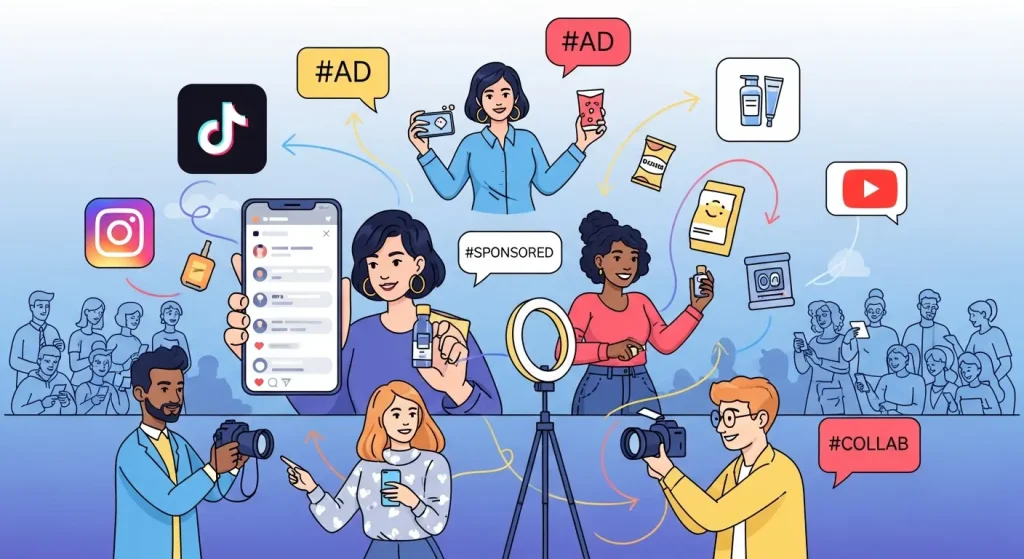
The Influencer Marketing Factory is a systematic, scalable approach to creating high-impact influencer campaigns. By combining strategic influencer selection, authentic content, data-driven optimization, and strong relationship management, brands can maximize ROI while maintaining audience trust. Leveraging AI, technology tools, and repeatable workflows ensures efficiency and adaptability. This framework empowers businesses of any size to turn influencer marketing into a predictable engine for growth, engagement, and long-term brand success.
Influencer marketing has evolved into a vital strategy for businesses looking to connect authentically with their audiences. This blog examines the “Influencer Marketing Factory”, an all-inclusive approach to creating impactful social media strategies. Whether you’re a small business owner, a marketing professional, or someone curious about influencer marketing trends, you’ll learn what makes this factory-like framework indispensable.
Get insights on how influencer marketing operates, why it’s reshaping brand communication, and how to build streamlined, scalable outreach strategies.
What Is the Influencer Marketing Factory?
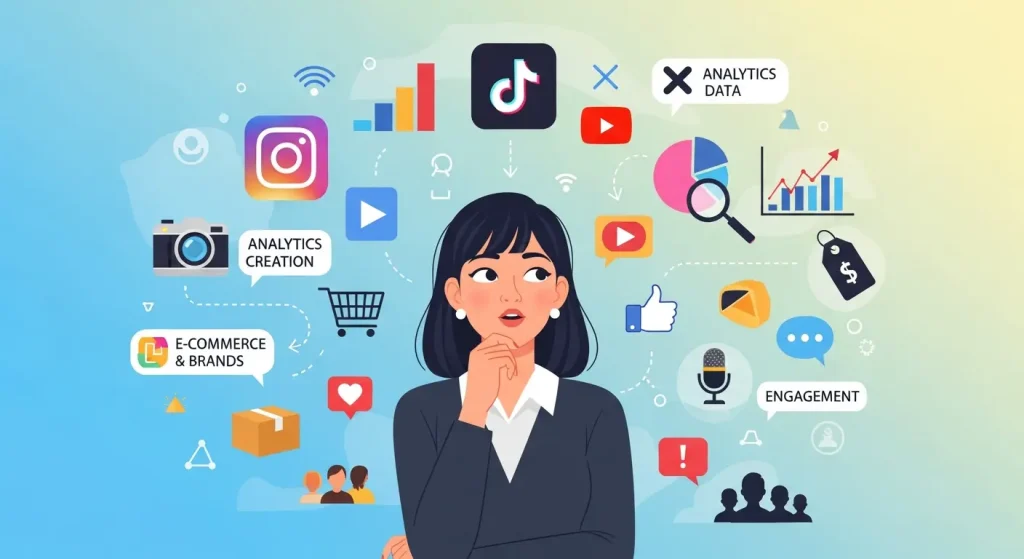
The term “Influencer Marketing Factory” encapsulates a comprehensive process designed to produce high-value influencer campaigns. Just like a factory system, every part of the process is deliberate and contributes to a polished final product.
This approach includes carefully selecting influencers, designing creative campaign strategies, analyzing performance metrics, and adapting campaigns for maximum success. It’s not just about sending products to influencers and hoping for the best; it’s about creating a system that ensures measurable ROI and long-term brand growth.
Why Influencer Marketing Matters More Than Ever
Before we explore the mechanics of the “factory,” it’s important to understand why influencer marketing has become indispensable in today’s landscape.
- Consumers Crave Authenticity: A staggering 92% of consumers trust influencer recommendations more than traditional ads. Why? Because influencers present as relatable individuals rather than faceless corporations.
- Enhanced Engagement: Social media platforms like Instagram, TikTok, and YouTube have community-driven environments where influencers thrive. The result? Higher engagement rates compared to banner ads or search marketing.
- Reaching Niche Markets: From fitness enthusiasts to knitting aficionados, niche influencers allow brands to connect with highly targeted groups that traditional advertising might miss.
Now that we understand the why, let’s break down the how.
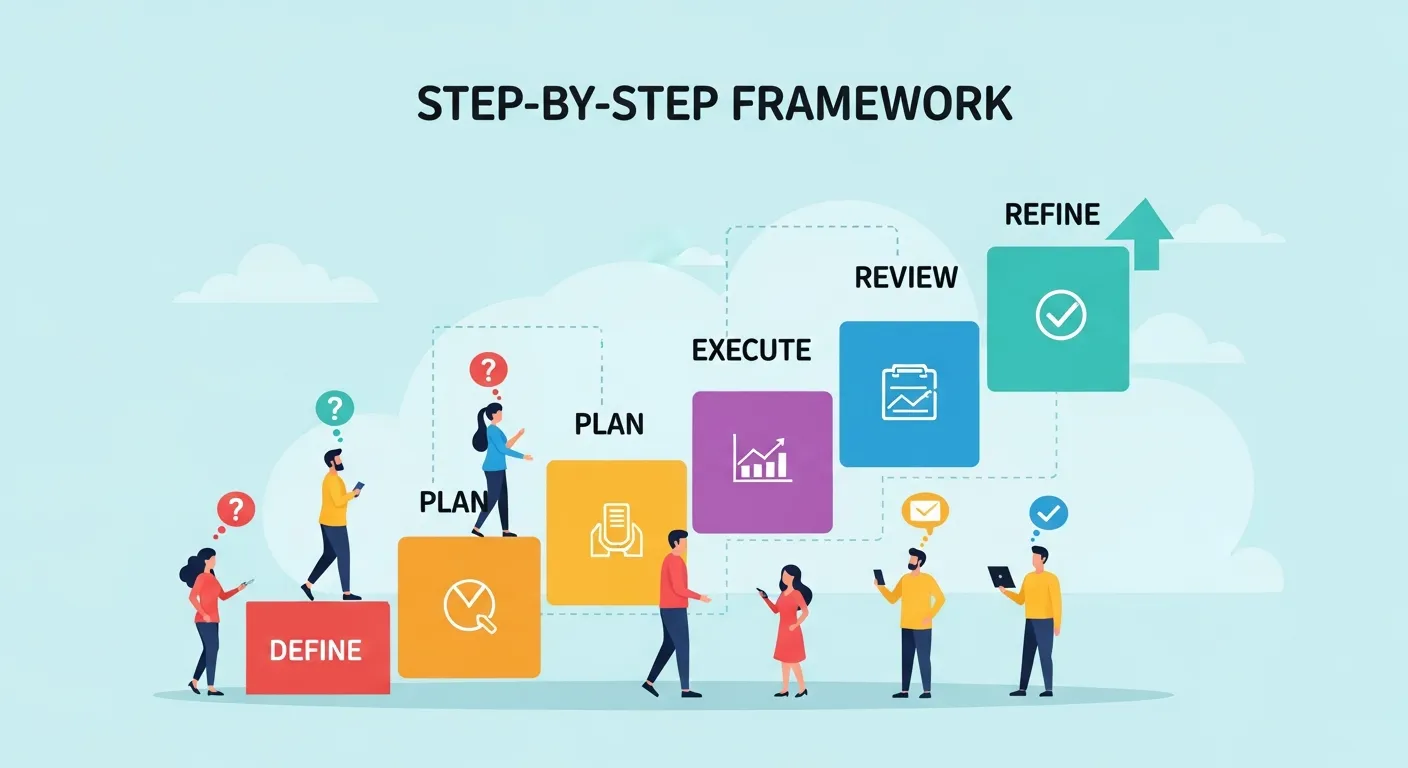
The Step-by-Step Framework of the Influencer Marketing Factory
Step 1: Define Clear Campaign Goals
The first step is identifying what you aim to achieve. Is it brand awareness? Higher sales? More website visits? Being clear about your goals will guide the rest of the campaign.
Pro Tip: Use SMART goals, which are specific, measurable, achievable, relevant, and time-based. For example, “Increase Instagram followers in the tech vertical by 15% within three months.”
Step 2: Identify the Right Influencers
Choosing the appropriate influencers may seem simple, but it’s where many campaigns stumble. To succeed, align your selection criteria with your target audience.
- Consider Niche Relevance: An influencer in the fitness niche won’t move the needle if you’re selling kitchen gadgets. Look at their content, audience demographics, and follower engagement.
- Engagement vs. Follower Count: A micro-influencer with 15,000 highly engaged followers often provides more value than a celebrity influencer with one million indifferent followers.
Key Tools for Finding Influencers
- HypeAuditor provides in-depth analytics about audience demographics.
- GroupHigh streamlines influencer outreach and vetting.
Step 3: Co-Create Authentic Content
Gone are the days of scripted product promotions featuring insincere endorsements. Collaborate with influencers to create content that resonates with their unique style and tone.
Content Forms to Explore
- Story Series: Instagram Stories allow influencers to share real-time product reviews.
- Challenges: TikTok challenges can rapidly build a viral culture around your product.
- Unboxing Videos: Lean into YouTube’s unboxing trend for captivating long-form engagement.
Pro Tip: Encourage influencers to share relatable, everyday uses for your product. For example, instead of just promoting your sneakers, an influencer might share how the shoes made their morning jog more comfortable.
Step 4: Leverage Data for Mid-Campaign Adjustments
The beauty of the factory system lies in its adaptability. Social media platforms provide real-time analytics, allowing you to tweak campaigns based on what’s working.
Metrics to Prioritize
- Reach and impressions
- Engagement rate (likes, comments, shares)
- Sales or conversions driven by influencer links

If an influencer’s posts underperform, don’t be afraid to pivot by modifying creative content, targeting a different demographic, or introducing other influencers.
Step 5: Scale the Campaign
Once a pilot campaign achieves success, apply the formula at scale. Some strategies include collaborating with influencers across platforms or expanding to new audiences using lookalike customer profiles.
Automated tools such as GRIN or Upfluence help streamline processes like tracking influencer payments and managing contracts, making it easier to scale without overloading your team.
Step 6: Post-Campaign Analysis
A key distinguishing factor of the Influencer Marketing Factory is its commitment to learning from every campaign. The cycle doesn’t end when the campaign concludes. Analyze the ROI, gather performance insights, and identify learnings.
Questions to ask during the review stage:
- Did the influencer content lead to the desired brand lift or sales increase?
- Which platform delivered the greatest ROI?
- What learnings can streamline the next campaign?
Influencer Marketing Trends to Watch
To stay competitive, adapt your factory system to future trends.
- AI Tools for Optimizing ROI: Tools using artificial intelligence can predict which influencers will deliver top ROI based on audience and niche performance.
- Sustainability Messaging: Partner with influencers who genuinely advocate for eco-friendly initiatives to win over ethically driven consumers.
- Short Content Mastery: With Instagram Reels and TikTok leading engagement metrics, shorter content is where engagement thrives.
Create Your Own Influencer Marketing Factory
The Influencer Marketing Factory is a scalable, measurable system designed to make influencer campaigns successful for brands of any size. By implementing clear processes, gathering data, and building creative collaborations, your brand can unlock extraordinary impact while maintaining an authentic connection with audiences.
Need extra help building your factory? Sign up for our FREE influencer marketing toolkit below and gain access to templates, checklists, and guides that demystify the process.
Common Mistakes That Break the Influencer Marketing Factory
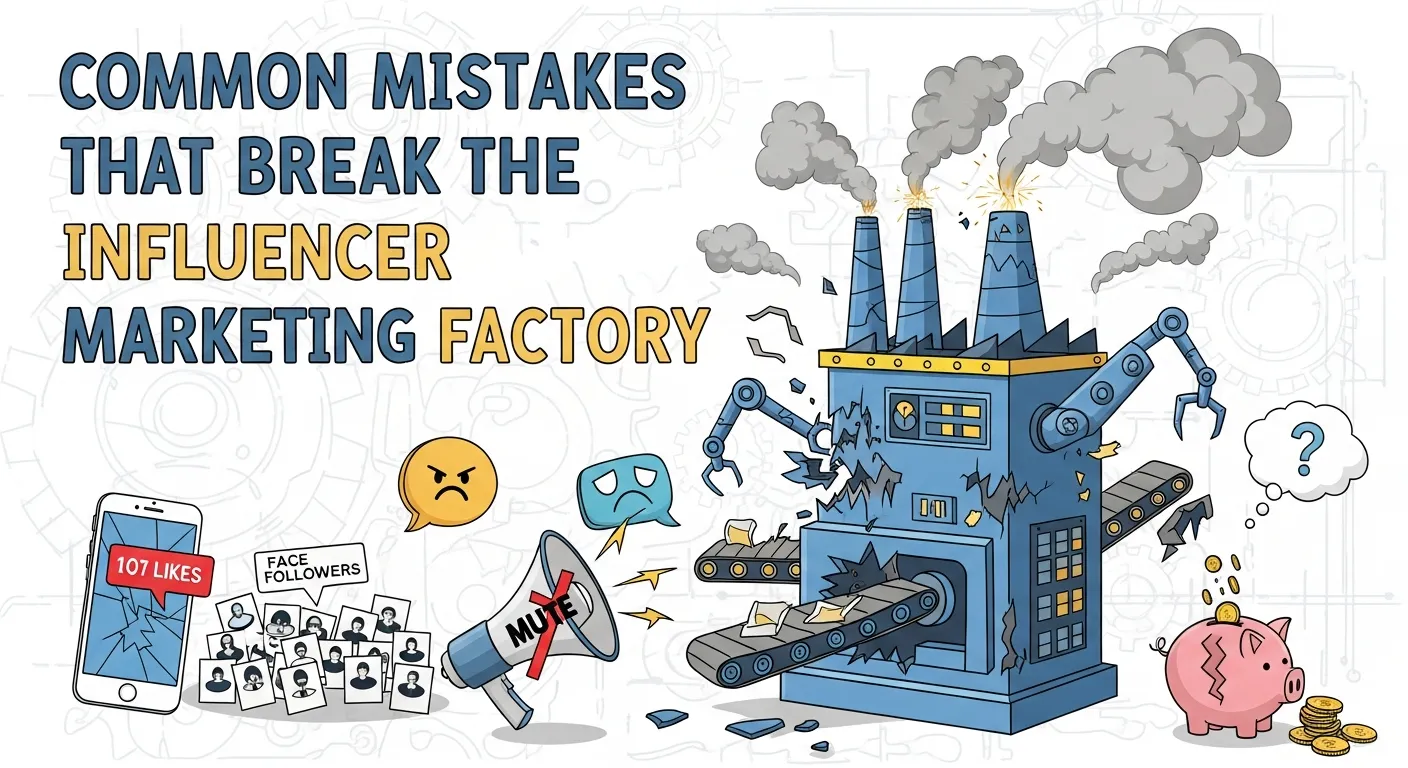
Even the most well-designed influencer marketing factory can underperform if key mistakes go unchecked. Understanding these pitfalls helps brands protect ROI and maintain authenticity.
One common mistake is prioritizing speed over strategy. Rushing influencer selection or skipping audience analysis often leads to mismatched partnerships that fail to resonate. Another issue is over-controlling creative output. Influencers know their audiences best, and rigid brand scripts can reduce trust and engagement.
Brands also frequently neglect long-term relationship building. Treating influencers as one-off promotional tools instead of ongoing partners limits brand loyalty and repeat success. Finally, failing to document processes and insights weakens scalability. A factory thrives on repeatable systems—not guesswork.
Micro-Influencers vs Macro-Influencers in the Factory Model
A successful Influencer Marketing Factory doesn’t rely on one influencer type—it strategically deploys both micro and macro creators.
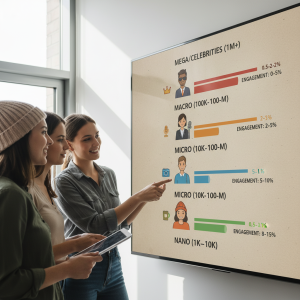
Micro-influencers typically deliver higher engagement rates and stronger audience trust. They are ideal for niche targeting, community building, and conversion-focused campaigns. Macro-influencers and creators with large followings, on the other hand, are powerful for brand awareness and reach at scale.
The factory model allows brands to test both tiers, analyze performance, and allocate budgets intelligently. Often, a blended approach—using macro-influencers for visibility and micro-influencers for credibility—produces the strongest overall results.
How the Influencer Marketing Factory Supports Long-Term Brand Growth
Unlike one-off influencer campaigns, the factory approach is built for sustainability and long-term impact. By systemizing influencer discovery, content creation, optimization, and analysis, brands build a repeatable growth engine.
Over time, brands can identify top-performing influencers and convert them into brand advocates or ambassadors. This consistency strengthens brand voice, improves audience trust, and reduces acquisition costs. Data collected across campaigns also sharpens future decision-making, allowing brands to forecast performance more accurately.
The result is not just campaign success—but a scalable influencer ecosystem that grows alongside the brand.
Influencer Marketing Factory KPIs That Matter Most
Tracking the right metrics is essential to keeping the factory efficient and profitable. Vanity metrics alone don’t tell the full story.
Key performance indicators include:
- Engagement rate and engagement quality
- Cost per engagement or cost per conversion
- Conversion rate from influencer traffic
- Content reuse value (ads, website, email, social)
- Influencer retention and repeat collaboration rate
By focusing on actionable KPIs, brands can optimize campaigns faster and ensure every part of the factory contributes measurable value.
The Technology Stack Behind the Influencer Marketing Factory
A modern Influencer Marketing Factory runs on the right combination of tools. Technology enables consistency, scalability, and measurable outcomes across campaigns.
Influencer discovery tools help brands identify creators based on niche relevance, audience demographics, and engagement quality. Campaign management platforms streamline communication, approvals, timelines, and payments. Analytics tools centralize performance data, making it easier to evaluate ROI and identify optimization opportunities.
When these tools are integrated into a single workflow, brands eliminate manual effort and reduce errors—allowing teams to focus on strategy, creativity, and relationship building rather than administration.
Building Repeatable Campaign Playbooks
One of the defining characteristics of a factory system is repeatability. High-performing influencer campaigns shouldn’t be reinvented every time.
Campaign playbooks document what works. They include influencer selection criteria, content guidelines, posting schedules, performance benchmarks, and reporting templates. Over time, these playbooks evolve as data reveals which approaches consistently deliver results.
By standardizing best practices, brands can onboard new team members faster, launch campaigns more efficiently, and maintain quality as they scale influencer efforts across regions or platforms.
Influencer Relationship Management at Scale
Influencers are not just distribution channels—they are long-term partners. A factory approach prioritizes relationship management alongside performance.
Maintaining organized influencer databases helps brands track past collaborations, results, content rights, and communication history. This allows brands to re-engage high-performing influencers, negotiate better partnerships, and build loyalty.
Strong influencer relationships also improve content quality. Creators who feel valued are more invested, more authentic, and more likely to advocate for the brand beyond contractual obligations.
Repurposing Influencer Content for Maximum Value
The factory mindset doesn’t stop at social media posts. High-quality influencer content can be repurposed across multiple marketing channels.
Brands can reuse influencer assets in paid ads, email campaigns, landing pages, product pages, and even offline materials—pending usage rights. This extends content lifespan, reduces production costs, and improves message consistency.
By planning content reuse during the campaign design phase, brands extract significantly more value from each collaboration and strengthen overall marketing performance.
When to Upgrade or Evolve Your Influencer Marketing Factory
As brands grow, their influencer marketing needs evolve. What works for early-stage campaigns may become limiting at scale.
Signs it’s time to upgrade include manual bottlenecks, inconsistent reporting, difficulty managing influencer relationships, or limited insights into ROI. At this stage, investing in more advanced platforms, automation, or dedicated influencer managers can unlock the next level of growth.
The most successful factories are flexible—continuously adapting processes, tools, and strategies as market dynamics and audience behavior change.
Conclusion
The Influencer Marketing Factory transforms influencer marketing into a scalable, data-driven system. By combining strategic influencer selection, authentic content, AI-powered optimization, and strong relationships, brands can maximize ROI, extend content value, and build a sustainable ecosystem for long-term growth.
Frequently Asked Questions (FAQs)
What is the Influencer Marketing Factory?
The Influencer Marketing Factory is a structured, systematic approach to influencer campaigns. Like a factory, every step—from influencer selection to content creation, campaign management, analytics, and scaling—is deliberate, repeatable, and designed to maximize ROI.
Why is influencer marketing important today?
Influencer marketing drives authentic connections, higher engagement, and access to niche audiences. Consumers trust influencer recommendations more than traditional ads, making it a powerful tool for brand awareness, community building, and conversions.
How do I define clear campaign goals in the factory system?
Start with SMART goals: Specific, Measurable, Achievable, Relevant, and Time-bound. Examples include increasing social followers by 15% in three months or boosting product sales through influencer links.
How do I identify the right influencers?
Focus on relevance, engagement, and audience alignment. Micro-influencers often offer higher engagement, while macro-influencers expand reach. Tools like HypeAuditor and GroupHigh can help vet influencer audiences and content.
What type of content should influencers create?
Collaborate with influencers to produce authentic content aligned with their style. Popular formats include Instagram Stories, TikTok challenges, YouTube unboxing videos, and real-life product demonstrations.
How can I optimize campaigns mid-way?
Monitor real-time metrics such as reach, impressions, engagement, and sales. Adjust creative content, target demographics, or influencers if results fall short of expectations.
How do I scale an influencer campaign?
Once a pilot campaign succeeds, expand by onboarding additional influencers, targeting new platforms, or using lookalike audience profiles. Automation tools like GRIN or Upfluence help streamline contracts, payments, and workflow.
What KPIs matter most in the Influencer Marketing Factory?
Focus on actionable metrics such as engagement rate, cost per conversion, ROI, influencer retention, and content reuse value. These KPIs ensure campaigns remain efficient, measurable, and repeatable.
How does the factory approach support long-term brand growth?
By systematizing discovery, content, analytics, and relationship management, brands can maintain consistent messaging, build influencer loyalty, reduce acquisition costs, and generate scalable results over time.
What role does AI play in influencer marketing today?
AI optimizes influencer selection, predicts campaign ROI, detects fraud or fake engagement, and helps refine strategies using data-driven insights. It allows brands to run campaigns efficiently at scale while maintaining performance accuracy.