Is Influencer Marketing Worth It? Here Are the Pros and Cons

For influencer marketing to succeed, brands must partner with the right creators, establish clear goals, and track outcomes carefully. Understanding its pros and cons helps companies decide if it fits their strategy and budget.
Influencer marketing has become a go-to strategy for brands looking to connect with new audiences. It involves collaborating with individuals who have a dedicated following on social media to promote products or services. The idea is simple: leverage the trust and rapport an influencer has built with their audience to drive brand awareness and sales.
While many businesses have found great success with this approach, it’s not a magic bullet. Influencer marketing comes with its own unique set of benefits and challenges. Understanding both sides is crucial before you invest your time and budget into a campaign.
What is Influncer Marketing
Influencer marketing is a digital marketing strategy where brands partner with individuals who have a loyal and engaged following on social media or online platforms to promote products, services, or ideas.
Instead of traditional ads, influencer marketing relies on trust and authenticity. Influencers create content—such as posts, videos, stories, or reviews—that naturally introduces a brand to their audience, making promotions feel more relatable and credible.
The Benefits of Influencer Marketing
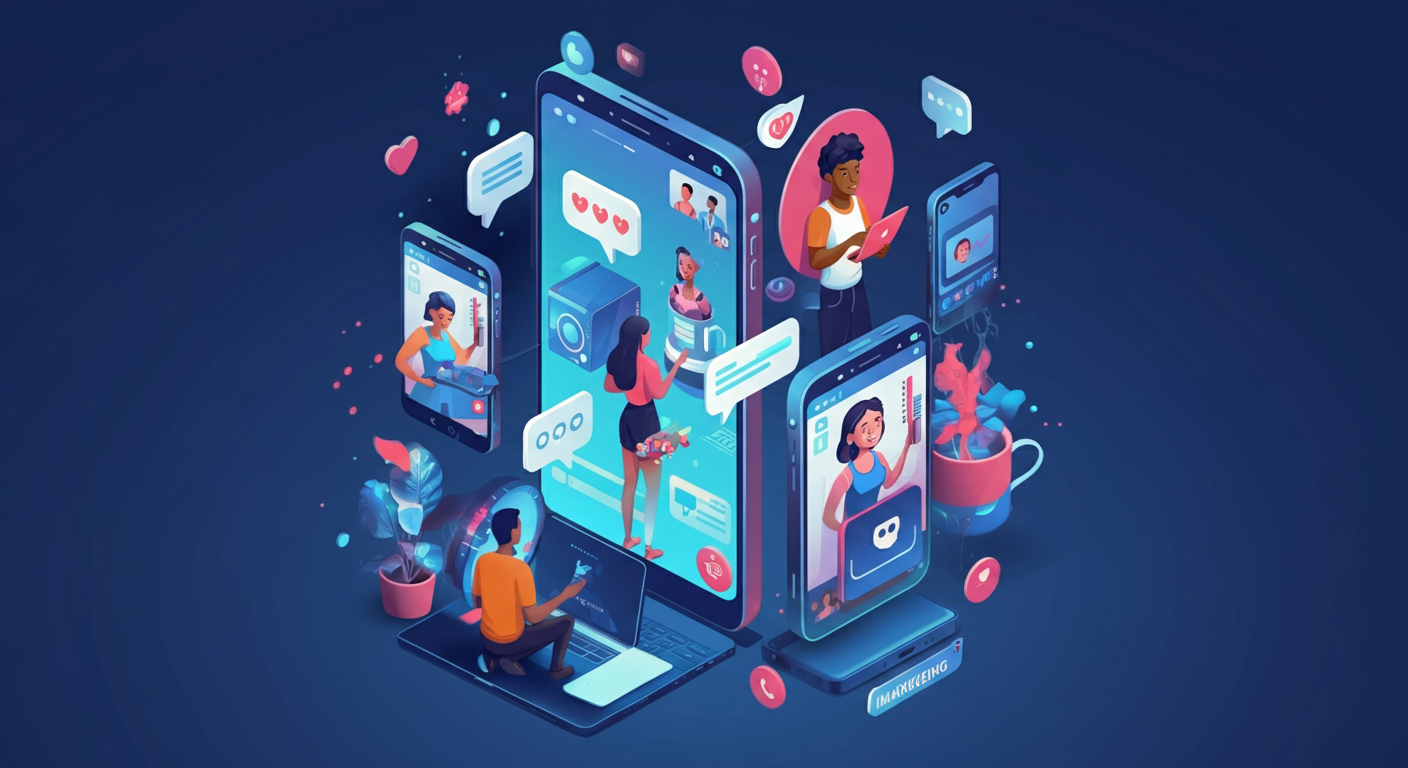
When executed well, an influencer marketing campaign can deliver impressive results that other channels struggle to match. Here are some of the most significant benefits.
Build Trust and Credibility
One of the biggest advantages of influencer marketing is its ability to build trust. Consumers are often skeptical of traditional advertising. However, they tend to trust recommendations from people they follow and admire. When an influencer they trust endorses your product, it acts as a powerful form of social proof.
This endorsement feels more authentic and personal than a corporate ad. The influencer has already established a relationship with their audience, and that credibility is transferred to your brand. This can be especially valuable for new or lesser-known companies trying to establish a foothold in the market.
Reach a Highly Targeted Audience
Influencers often cater to specific niches, from sustainable fashion and vegan cooking to gaming and personal finance. This allows you to connect with a pre-vetted, highly engaged audience that is already interested in your industry.
Instead of casting a wide net with traditional advertising, you can target your efforts precisely. For example, if you sell high-performance running shoes, partnering with a marathon runner or fitness influencer gives you direct access to people who are likely to be interested in your product. This targeted approach often leads to higher conversion rates because the marketing message is more relevant to the audience.
Generate Authentic Content
Influencers are content creators by trade. They know how to produce engaging photos, videos, and stories that resonate with their followers. By collaborating with them, you gain access to a stream of high-quality, authentic user-generated content (UGC) that you can repurpose across your own marketing channels.
This content often feels more genuine than polished studio shots because it shows your product being used in a real-life context. Sharing this UGC on your website, social media pages, or in your ads can add a layer of authenticity to your brand and build a stronger connection with your customers.
Boost Brand Awareness and Reach
Working with an influencer exposes your brand to their entire follower base, which can significantly expand your reach. A single post can introduce your company to thousands or even millions of potential customers who may have never heard of you before.
This increased visibility helps drive conversations around your brand and can lead to a surge in website traffic and social media followers. It’s an effective way to get your name out there and build brand recognition in a crowded digital landscape.
Drive Conversions and Sales
Ultimately, the goal of most marketing efforts is to drive sales. Influencer marketing can be very effective in this regard. Many campaigns include unique discount codes or affiliate links that allow you to track direct conversions and measure the campaign’s ROI.
When followers see an influencer they admire using and enjoying a product, it can be a powerful motivator to make a purchase. The sense of urgency created by a limited-time discount code can further encourage immediate action, turning followers into customers.
The Drawbacks of Influencer Marketing

Despite its many benefits, influencer marketing is not without its challenges. It’s important to be aware of the potential downsides before launching a campaign.
It Can Be Expensive
Working with popular influencers can be costly. Macro-influencers and celebrities with millions of followers often charge thousands of dollars for a single post. This can be a significant financial barrier for small businesses or startups with limited marketing budgets.
While micro-influencers (those with smaller, more niche followings) are more affordable, managing multiple smaller campaigns can be time-consuming. It’s crucial to weigh the potential cost against the expected return and ensure it fits within your overall budget.
Finding the Right Influencer Is a Challenge
Your campaign’s success hinges on finding an influencer whose values and audience align with your brand. This process can be more difficult than it sounds. There are millions of influencers out there, and sifting through them to find the right fit takes time and research.
A mismatch can lead to an inauthentic partnership that fails to resonate with the audience or, even worse, damages your brand’s reputation. It’s essential to vet potential partners carefully, looking at their engagement rates, audience demographics, and past collaborations.
Risk of Negative Publicity
When you partner with an influencer, you’re associating your brand with their personal brand. If that influencer becomes involved in a scandal or controversy, it can reflect poorly on your company. This is a risk that is largely out of your control.
Furthermore, if a partnership feels forced or inauthentic, followers may react negatively. Audiences are savvy and can spot a “cash grab” partnership from a mile away. This can lead to negative comments and a loss of trust in both the influencer and the brand.
Measuring ROI Can Be Difficult
While some aspects of an influencer campaign, like sales from a discount code, are easy to track, measuring the overall ROI can be tricky. How do you quantify the value of increased brand awareness or improved brand sentiment?
Metrics like likes, comments, and shares are useful, but they don’t always translate directly to sales. It can be challenging to prove the direct impact of an influencer campaign on your bottom line, making it difficult to justify the investment to stakeholders.
Lack of Control Over Content
When you collaborate with an influencer, you have to relinquish some creative control. While you can provide guidelines and a brief, the most successful partnerships allow the influencer the creative freedom to speak to their audience in their own voice.
This can be a double-edged sword. While it leads to more authentic content, it also means the final product might not be exactly what you envisioned. Micromanaging an influencer can stifle their creativity and lead to content that feels robotic and inauthentic.
Setting Clear Campaign Goals
A successful influencer marketing campaign starts with clearly defined objectives. Brands need to decide whether the primary goal is increasing brand awareness, driving website traffic, generating leads, or boosting sales. Clear goals help shape the choice of influencers, campaign messaging, and content format. Without measurable objectives, evaluating ROI becomes difficult, and campaigns may lose focus. Use SMART goals—Specific, Measurable, Achievable, Relevant, and Time-bound—to align the team and influencers. Having a concrete strategy ensures all stakeholders understand expectations, deadlines, and success metrics. This foundation reduces wasted effort and increases the likelihood of impactful, data-driven results.
Choosing the Right Influencer Type
Influencers vary from nano and micro-influencers to macro and celebrity creators. Each type has unique advantages and limitations. Nano and micro-influencers often have smaller but highly engaged audiences, offering affordable collaborations and authentic connections. Macro and celebrity influencers provide extensive reach but come at higher costs and reduced personalization. When selecting influencers, consider their audience alignment, engagement rate, niche expertise, and past collaborations. Choosing the right type ensures your campaign message resonates effectively, delivers ROI, and builds long-term credibility.
Crafting Authentic Campaign Messaging
The most effective influencer campaigns rely on authentic messaging. Influencers should have creative freedom to communicate in their own voice while adhering to your brand guidelines. Authentic storytelling resonates better with audiences than rigid scripts. Encourage influencers to share personal experiences, honest product reviews, or demonstrations that showcase your product in real-life scenarios. Providing clear objectives and key talking points without micromanaging allows content to remain genuine. Authentic campaigns foster trust, increase engagement, and create a meaningful connection between your brand and the influencer’s audience.
Leveraging Multi-Platform Strategies
Modern influencer marketing doesn’t have to be limited to one platform. Combining multiple channels—Instagram, TikTok, YouTube, and even LinkedIn—can maximize reach and engagement. Different platforms offer unique content formats, from short-form videos to long-form tutorials, allowing brands to cater to audience preferences. Multi-platform campaigns also reduce dependency on a single network, diversify exposure, and increase ROI. By tailoring content strategies to each platform’s strengths and audience behaviors, brands can achieve higher visibility and more meaningful engagement across their target demographics.
Tracking and Optimizing Campaign Performance
Monitoring performance is critical for influencer marketing success. Use metrics such as impressions, reach, engagement rate, website traffic, leads generated, and direct sales to evaluate outcomes. Advanced tracking tools and unique links or discount codes help measure conversions accurately. Campaign data enables ongoing optimization, such as adjusting posting times, content formats, or audience targeting. Regular performance reviews ensure marketing spend is justified and strategies evolve based on results. Effective tracking turns influencer campaigns from a one-off effort into a continuous growth engine.
Ensuring Compliance and Transparency
Influencer marketing is governed by regulations that require disclosure of sponsored content. Influencers must clearly label posts as ads or partnerships to comply with local advertising standards, including FTC guidelines in the U.S. Transparency maintains audience trust and prevents legal issues. Brands should provide clear instructions and review content before publication to ensure compliance. A transparent, ethically managed campaign protects both the brand and influencer reputation while building credibility with audiences who value honesty in promotional content.
Ready to Launch Your Campaign?

Influencer marketing offers a powerful way for brands to build trust, reach new audiences, and drive sales. The benefits of connecting with customers through a trusted voice can be immense. However, it’s not a strategy to be entered into lightly. The potential for high costs, the difficulty of finding the right partner, and the challenges in measuring ROI are real concerns that need to be addressed.
By carefully weighing the pros and cons and developing a clear strategy, you can make an informed decision about whether influencer marketing is the right fit for your brand. Start small, test your approach, and measure your results to find what works best for your business.
Frequently Asked Questions
What is influencer marketing?
Influencer marketing is a type of social media marketing that involves endorsements and product placements from individuals who have a dedicated social following and are viewed as experts within their niche.
How do I find the right influencer for my brand?
To find the right influencer, start by defining your target audience and campaign goals. Then, search for influencers in your niche on platforms like Instagram, TikTok, and YouTube. Look for individuals whose values align with your brand and who have an engaged audience that matches your target demographic. Influencer marketing platforms can also help you discover and vet potential partners.
How much does influencer marketing cost?
The cost of influencer marketing varies widely depending on the influencer’s follower count, engagement rate, and the scope of the campaign. Micro-influencers might charge a few hundred dollars per post, while macro-influencers and celebrities can command tens of thousands of dollars or more.
How do you measure the success of an influencer marketing campaign?
Success can be measured using a variety of metrics. These include reach (impressions, followers), engagement (likes, comments, shares), and conversions (website clicks, sales from unique discount codes, lead generation). It’s important to set clear KPIs before the campaign begins to track your progress effectively.