How to Run an Influencer Marketing Campaign That Delivers Results
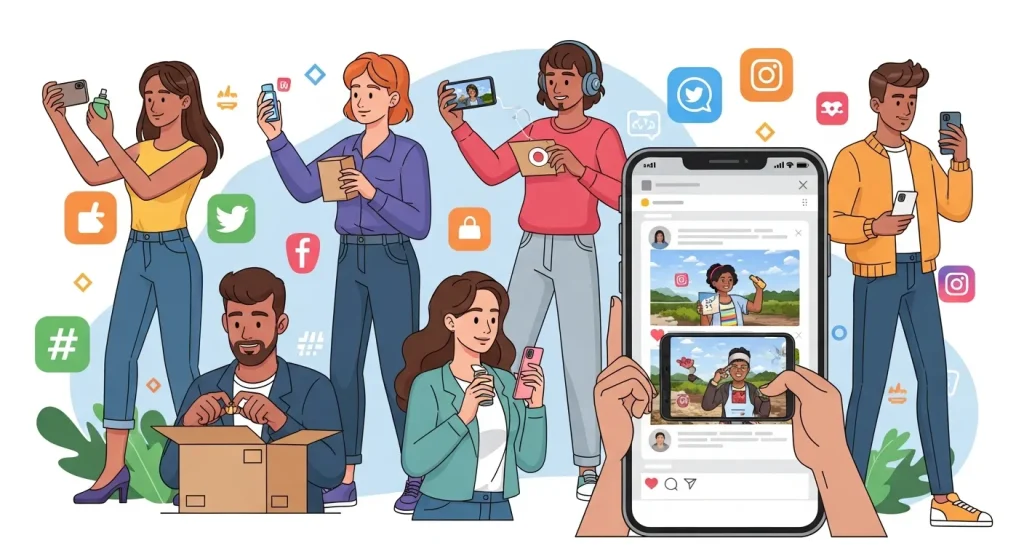
Influencer marketing has evolved into a vital digital strategy that builds trust, drives engagement, and boosts conversions through authentic creator partnerships. This guide covers strategy, selection, execution, measurement, and trends shaping the future of influencer-led brand growth.
Influencer marketing has evolved rapidly from an experimental tactic into a fundamental pillar of modern digital strategy. For brands aiming to build trust quickly, expand their audience reach, and drive immediate engagement, there is perhaps no tool more powerful. With platforms like Instagram, TikTok, YouTube, and LinkedIn flourishing, content creators have become the new gatekeepers of consumer trust, serving as powerful allies that connect businesses to highly granular target audiences.
However, navigating the landscape of influencer marketing is not as simple as shipping free products to someone with a high follower count. It involves complex relationship management, detailed contract negotiations, and a strategic approach to content distribution. If you want to run a smooth influencer marketing campaign that actually moves the needle, you need a blueprint. This comprehensive guide will walk you through everything from foundational psychology to advanced measurement techniques, ensuring you can launch a campaign that delivers tangible results.
The Strategic Foundations of Influencer Marketing
Before you send a single outreach email or draft a creative brief, you must understand the underlying mechanics of why influencer marketing works and establish a robust framework for your campaign. Influencer marketing harnesses the power of social media personalities, bloggers, and online creators who have cultivated a dedicated following. Unlike traditional advertising, which interrupts the consumer experience, influencer marketing integrates your brand into content that the audience is already consuming and enjoying.
Understanding the Psychology of Trust

The core reason influencer marketing is so effective lies in the psychology of social proof and parasocial relationships. When a creator consistently delivers value—whether through entertainment, education, or inspiration—they build a repository of trust with their audience. When they recommend a product, that recommendation carries the weight of a friend’s advice rather than a corporate sales pitch. This allows brands to bypass the skepticism that often accompanies traditional display ads.
To truly leverage this, you must set clear, actionable goals. A campaign without a destination will inevitably get lost. You need to decide early on what success looks like. Are you looking for top-of-funnel awareness? Mid-funnel consideration? or bottom-funnel conversion?
Core Goals to Consider:
- Brand Awareness: Focusing on metrics like reach, impressions, and brand lift.
- Traffic Generation: Driving clicks to your website or landing page.
- Sales and Lead Gen: Direct conversions attributed to influencer links.
- Content Creation: Using influencers as a production house for high-quality assets.
- Community Building: Fostering a deeper connection with a specific niche.
Emerging Niches and New Markets
As you lay your foundation, consider that influencer marketing is not limited to lifestyle and beauty. It is exploding in B2B sectors, tech, and even Web3. Brands are now using influencers to launch complex products like NFTs and software. Understanding the nuances of these specific niches is vital for modern campaigns.
See this guide for specific strategies on launching in the Web3 space: influencer marketing NFT launch guide.
Analyzing the Shift from Traditional Ads
To better understand where to allocate your budget, it is helpful to compare the operational differences between traditional digital ads and influencer partnerships.
Traditional Advertising vs. Influencer Marketing
|
Feature |
Traditional Advertising (PPC/Display) |
Influencer Marketing |
|---|---|---|
|
Trust Factor |
Low (Viewed as intrusive) |
High (Viewed as a recommendation) |
|
Content Quality |
Brand-centric, polished, corporate |
Authentic, user-generated style |
|
Targeting |
Algorithmic (Demographics/Interests) |
Psychographic (Community/Values) |
|
Ad Blockers |
Frequently blocked |
Immune to ad blockers |
|
Longevity |
Stops the moment you stop paying |
Content often remains searchable online |
|
Engagement |
Passive viewing |
Active commenting and sharing |
Defining Your Target Audience
A successful influencer marketing strategy requires a granular understanding of who you are trying to reach. “Females aged 18-35” is not a target audience; it is a census category. You need to dig deeper into the psychographics.
- Values and Beliefs: What causes do they care about? Sustainability? Innovation?
- Pain Points: What problems keep them up at night that your product solves?
- Platform Preference: Where do they hang out? Gen Z might be on TikTok, while decision-makers are on LinkedIn.
- Content Consumption: Do they prefer long-form video essays or short, snappy Reels?
By answering these questions, you build a persona that dictates which influencers you should approach. If your audience values deep technical breakdowns, a tech YouTuber is a better fit than an Instagram lifestyle photographer.
Identifying and Selecting the Right Partners

Once your strategy is defined, the next hurdle is finding the right people to execute it. This is arguably the most critical phase of influencer marketing. Partnering with the wrong influencer—someone who doesn’t align with your values or has a fake following—can not only waste your budget but also damage your brand reputation.
The Hierarchy of Influencers
Influencers are typically categorized by their follower count, but size isn’t everything. In fact, as follower counts rise, engagement rates often drop. This is why a nuanced approach to selection is necessary.
- Nano-Influencers (1K – 10K followers): These creators often have the highest engagement rates. Their audience consists of friends, family, and a tight-knit community. They are cost-effective and highly trusted but have limited reach.
- Micro-Influencers (10K – 100K followers): The sweet spot for many brands. They have retained high engagement but have enough reach to make a measurable impact. They are often specialists in specific niches.
- Macro-Influencers (100K – 1M followers): Professional content creators. They offer significant reach and high-quality production but can be expensive.
- Mega-Influencers (1M+ followers): Celebrities and internet stars. Great for massive brand awareness campaigns but often have lower conversion rates per dollar spent.
For a deeper dive into why smaller creators might be your best bet, read this: micro influencer marketing guide.
Vetting for Authenticity and Fit
The metric that matters most in influencer marketing is not followers; it is engagement. You must look past the vanity metrics. Before sending a contract, conduct a thorough audit of the influencer’s profile.
Key Vetting Criteria:
- Audience Quality: Check for bot followers. Look at the comments—are they generic emojis or genuine conversations?
- Brand Alignment: Review their past content. Have they worked with competitors? Do their values match yours?
- Consistency: Do they post regularly? Is the quality consistent?
- Saturation: Is every post an ad? If so, their audience may be fatigued.
The Importance of Relevance
Relevance always trumps reach. If you sell vegan protein powder, a micro-influencer who posts daily vegan recipes will drive more sales than a fashion model with 500k followers who rarely talks about food. The context in which your product appears is vital.
Influencer Tier Performance Estimates
|
Influencer Tier |
Follower Count |
Avg. Engagement Rate |
Best Use Case |
Cost Level |
|---|---|---|---|---|
|
Nano |
1K – 10K |
4% – 8% |
Community building, UGC creation, hyper-local |
$ – $$ |
|
Micro |
10K – 100K |
2% – 5% |
Niche targeting, conversions, trust building |
$$ – $$$ |
|
Macro |
100K – 1M |
1% – 3% |
Broad reach, brand positioning, professional content |
$$$$ |
|
Mega |
1M+ |
0.8% – 2% |
Mass awareness, viral moments, global campaigns |
$$$$$ |
Tools vs. Manual Research
You can find influencers manually by searching hashtags and keywords on social platforms, but this is time-consuming. As you scale your influencer marketing efforts, you may want to invest in software tools like Upfluence, HypeAuditor, or CreatorIQ. These platforms allow you to filter by demographics, location, and engagement metrics instantly. However, never rely solely on data. Always manually review the content to ensure the tone and aesthetic match your brand guidelines.
Execution, Management, and Measurement

With your partners selected, you move into the execution phase. This is where the rubber meets the road in influencer marketing. It involves managing relationships, ensuring legal compliance, distributing content, and measuring the return on investment (ROI).
Crafting the Creative Brief
One of the biggest mistakes brands make is stifling the creator’s creativity. You are paying them because they know how to talk to their audience. A good creative brief provides guardrails, not handcuffs.
Elements of a Strong Brief:
- Key Messages: What are the 2-3 points that must be mentioned?
- Deliverables: Exactly what formats do you need (e.g., 1 Reel, 3 Stories)?
- Do’s and Don’ts: Are there specific words they cannot say for legal reasons?
- Creative Freedom: Encourage them to put their spin on the content.
- Call to Action (CTA): What should the audience do next?
Managing Relationships and Contracts
Treat influencers as professional partners. Clear contracts are essential to protect both parties. Your agreement should outline payment terms, usage rights (can you reuse their content in ads?), exclusivity clauses (can they work with competitors?), and timelines. If managing this becomes overwhelming, many brands turn to specialized agencies.
For those looking for regional expertise in managing these complex services, the best influencer marketing services in the UK.
Measuring Success and ROI
You cannot improve what you do not measure. Going back to the goals set in Section 1, you must track the relevant KPIs. Influencer marketing attribution can be tricky, but it is solvable with the right tracking infrastructure.
- UTM Parameters: Create unique tracking links for every influencer to see exactly how much traffic they drive.
- Discount Codes: Assign a unique promo code to each creator (e.g., SARAH20). This is the most direct way to track sales.
- Affiliate Platforms: Use systems that automatically track clicks and conversions.
- Earned Media Value (EMV): Calculate what the equivalent reach would have cost in paid media.
Key Performance Indicators (KPIs) by Campaign Goal
|
Campaign Goal |
Primary Metrics |
Secondary Metrics |
Tools for Measurement |
|---|---|---|---|
|
Brand Awareness |
Reach, Impressions, CPM |
Follower Growth, Mentions |
Native Analytics, Social Listening |
|
Engagement |
Likes, Comments, Shares |
Saves, Video Completion Rate |
Platform Insights |
|
Conversion/Sales |
Click-Through Rate (CTR), Sales |
Cost Per Acquisition (CPA), AOV |
Google Analytics, Shopify, UTMs |
|
Content Creation |
Number of Assets, Asset Quality |
Usage Rights, Production Cost Savings |
Internal Content Audit |
Optimization and Long-Term Partnerships
The first campaign is a learning experience. Analyze the data to see which influencers performed best. Did the video perform better than static images? Did one niche outperform another? Use these insights to optimize future campaigns. The holy grail of influencer marketing is long-term ambassadorships. When an influencer talks about a brand repeatedly over months or years, the trust deepens, and the audience eventually converts. Moving from one-off transactional posts to long-term relationships is where the highest ROI typically lives.
The Legal Landscape & Disclosure
As influencer marketing matures, governments and regulatory bodies worldwide are cracking down on hidden advertising. It is no longer enough to simply pay an influencer and hope for the best. Both the brand and the creator face significant legal risks if proper disclosures are not made. Ignorance of the law is not a defense, and fines can be substantial.
Understanding FTC Guidelines and Global Standards
In the United States, the Federal Trade Commission (FTC) mandates that any “material connection” between a brand and an endorser must be clearly disclosed. This isn’t just about money; it includes free products, discounts, or even personal relationships. Similar rules apply in the UK (ASA), Canada (Ad Standards), and the EU.
Key Disclosure Rules:
- Clear and Conspicuous: The disclosure must be hard to miss. Hiding it in a “see more” link or a dense block of hashtags is not acceptable.
- Simple Language: Use terms like “Ad,” “Sponsored,” or “Paid Partnership.” Ambiguous terms like “Thanks [Brand]” or “Collab” are often considered insufficient.
- Platform Tools: utilize the built-in “Paid Partnership” labels provided by Instagram, TikTok, and YouTube. However, relying only on these tools is sometimes not enough; a text overlay or verbal mention is often required as well.
Protecting Your Brand Integrity
When an influencer fails to disclose a partnership, the backlash often hits the brand harder than the creator. Consumers feel deceived, and trust evaporates instantly.
To mitigate this risk, your contracts must explicitly state the disclosure requirements. You should also monitor live posts to ensure compliance. If a post goes up without a proper tag, request an immediate edit. Building a culture of transparency protects your reputation and actually fosters better trust with the audience, who appreciate the honesty.
Future Trends to Watch
The digital landscape changes at breakneck speed. Strategies that worked six months ago may already be obsolete. To stay ahead of the curve, savvy marketers need to look at where the industry is heading, not just where it is today.
The Rise of “De-influencing”
A fascinating trend gaining traction is “de-influencing,” where creators tell their audiences what not to buy. While this sounds counterintuitive for marketers, it highlights a shift towards radical honesty. Brands that produce genuinely high-quality products can actually benefit from this by positioning themselves as the “worth it” alternative amidst a sea of over-hyped goods. Partnering with creators known for their brutal honesty can be a high-risk, high-reward strategy.
CGI and Virtual Influencers
We are seeing the normalization of virtual influencers—AI-generated personas like Lil Miquela who have millions of followers. These digital avatars offer brands total control over messaging and imagery, eliminating the risk of human error or scandal. While they lack the human touch, their engagement rates are surprisingly competitive, especially with Gen Z audiences interested in tech and fashion.
Long-Form Content Revival
While short-form video (TikTok/Reels) dominates, there is a swinging pendulum back towards long-form content. YouTube video essays and long-form podcasts are seeing a resurgence as audiences crave depth over dopamine. This presents an opportunity for deeper storytelling where influencers can thoroughly demonstrate a product’s value proposition rather than just flashing it on screen for three seconds.
Emerging Trends vs. Fading Tactics
|
Fading Tactic |
Emerging Trend |
Why the Shift? |
|---|---|---|
|
One-off shoutouts |
Long-term ambassadorships |
Audiences value consistent usage over paid mentions. |
|
Perfectly polished feeds |
Raw, unedited “dumps.” |
“Aesthetic” fatigue; users want reality, not perfection. |
|
Generic lifestyle posts |
Niche edutainment |
Value-driven content (teaching something) retains attention better. |
|
Celebrity endorsements |
Employee advocacy |
Real employees are seen as more credible experts than paid celebs. |
Frequently Asked Questions (FAQ)
1. How do I know if influencer marketing is right for my business?
Influencer marketing works for almost every industry, from fashion to B2B software. If your target audience consumes content on social media, there is an opportunity. The key is finding the right niche creators who speak to your specific customer base rather than aiming for general mass appeal.
2. What are the main benefits of this strategy compared to others?
This approach offers high trust, better targeting, and immunity to ad blockers. It also provides you with reusable content assets.
For a detailed breakdown of why this strategy wins: influencer marketing benefits best practices.
3. How much should I pay an influencer?
Pricing varies wildly based on follower count, engagement rate, usage rights, and industry. A general rule of thumb is $100 per 10,000 followers for a standard post, but high engagement or specialized niches command premiums. Always negotiate based on the deliverables and the value of their audience to your brand.
4. Can I run an influencer campaign with a small budget?
Absolutely. Nano and micro-influencers are very affordable and often willing to work for free products or a commission-based affiliate model. You can start with product seeding (gifting) to build relationships before moving to paid sponsorships as your budget grows.
5. What tools can help me find influencers?
There are many tools available, ranging from free databases to enterprise-level software. Tools like BuzzSumo, Upfluence, and various outreach platforms can streamline the discovery process.
Check out this list of top tools for outreach: influencer outreach tools for your next collab.
6. How do I spot fake influencers?
Look for red flags like sudden spikes in follower count, generic comments (e.g., “Nice pic!”), and a low engagement rate relative to their follower size (e.g., 100k followers but only 50 likes per post). You can also use auditing tools to scan for bot followers.
7. Should I use an agency or manage it in-house?
In-house management gives you more control and direct relationships, but is very time-consuming. Agencies save time and have established networks, but they cost more. If you are scaling up to manage dozens of influencers, an agency or dedicated in-house manager is essential.
8. How is Artificial Intelligence changing this industry?
AI is revolutionizing how we find influencers, predict campaign success, and even generate content briefs. It creates efficiency in data analysis that humans cannot match. Learn more about the AI revolution in marketing here: How AI is transforming influencer marketing.
9. What platforms should I focus on?
It depends entirely on your audience. B2B brands should focus on LinkedIn and Twitter. Fashion and beauty thrive on Instagram and TikTok. Gaming and tech often do best on YouTube and Twitch. Research where your ideal customer spends their time.
10. How long does it take to see results?
Awareness and engagement can happen immediately after a post goes live. However, sales and conversions often have a “tail,” meaning people might buy days or weeks later. Long-term brand building takes months of consistent activity to show significant ROI.