How Does the Stock Market Influence the Economy?
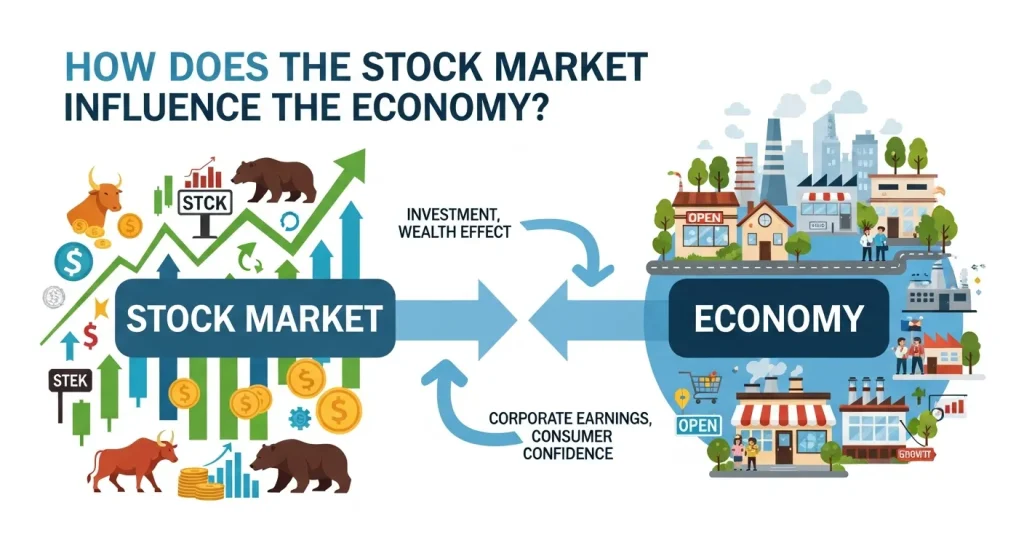
This in-depth guide explores how the stock market influences the economy, covering consumer confidence, corporate investments, and global factors. It includes actionable insights, a detailed FAQ section, and practical tips for understanding market trends and economic dynamics.
The stock market and the broader economy share a deeply intertwined relationship, often moving in a subtle dance where one influences the other. The performance of major indices like the S&P 500 or the Dow Jones Industrial Average is frequently seen as a barometer for the nation’s financial health. When stocks are rising, it can signal confidence and growth, while a downturn can spark fears of a recession. The stock market’s influence on business operations, consumer activity, and investor sentiment is undeniable and profound.
Understanding the many ways these powerful forces interact is crucial, whether you are a business owner navigating corporate strategy, a policymaker shaping fiscal decisions, or an individual managing personal finances. There are no easy answers in this complex system, and staying informed about current market trends and economic forecasts is essential. Gaining this knowledge empowers you to understand how our modern economic system operates, allowing you to better manage risks and seize opportunities.
The Symbiotic Relationship: Stock Market Influence on Economic Health
To truly grasp the stock market’s influence on the economy, we must first understand what the stock market is. At its core, it is a collection of markets and exchanges where shares of publicly traded companies are bought and sold. These shares, or equities, represent a piece of ownership in a company. Their prices fluctuate constantly based on a myriad of factors, including company performance, industry trends, investor sentiment, and macroeconomic conditions. Major exchanges like the New York Stock Exchange (NYSE) and NASDAQ facilitate these transactions, providing a platform for companies to raise capital and for investors to grow their wealth.
However, the impact of the stock market extends far beyond the trading floors. It is a critical component of the economic engine, driving financial decisions, shaping consumer behavior, and either accelerating or stalling overall economic growth. The stock market influence is felt in every corner of the economy, from corporate boardrooms to household budgets. A thriving market can fuel a virtuous cycle of investment and spending, while a struggling market can trigger a vicious cycle of fear and contraction. This section will explore the fundamental ways the stock market and the economy are linked, focusing on consumer confidence, business investment, and the role of market events.
Consumer Confidence and the Wealth Effect
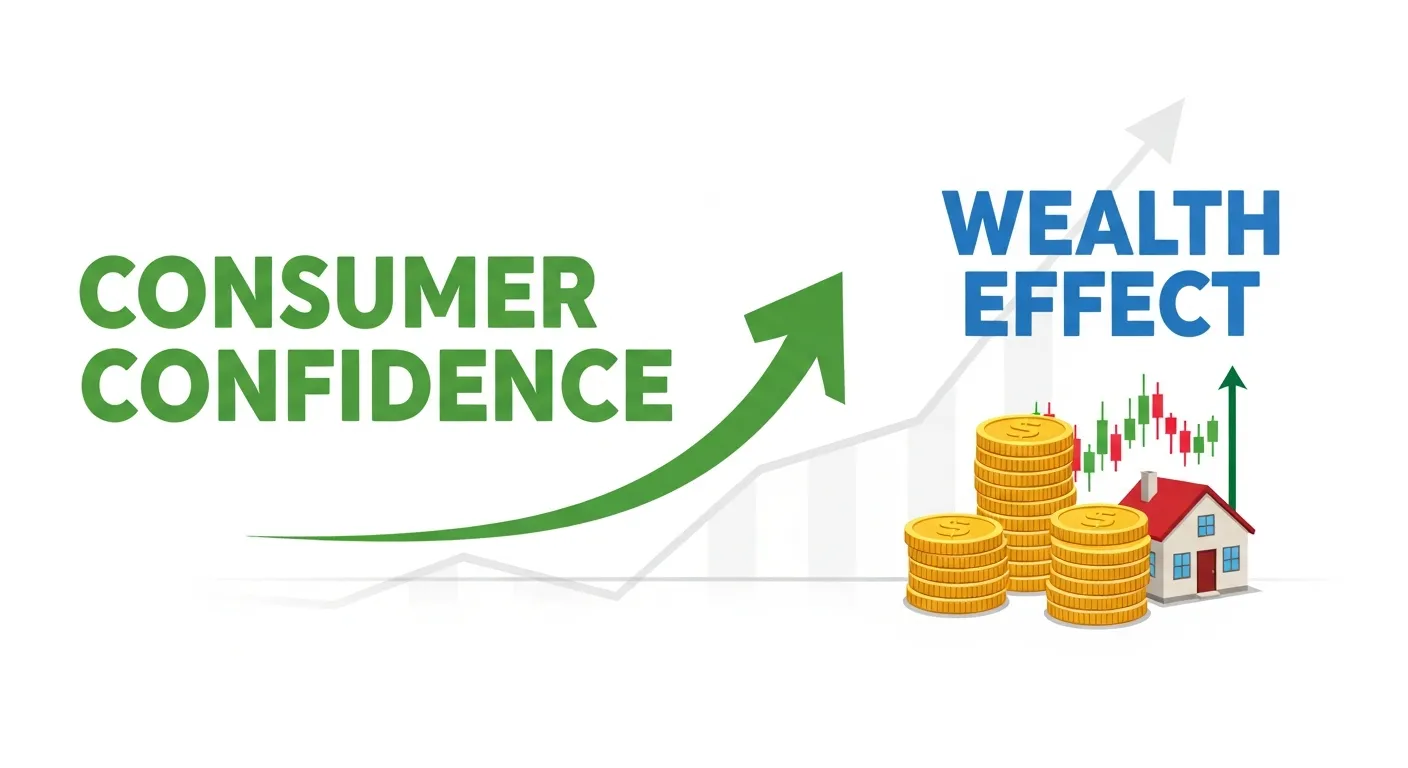
One of the most direct ways the stock market influence is felt is through consumer confidence. This metric reflects how optimistic consumers are about their own financial situation and the state of the economy. When stock prices are on a sustained upward trend, it creates a phenomenon known as the “wealth effect.”
- How it Works: As the value of investment portfolios, retirement accounts, and other stock-based assets rises, people feel wealthier. This increased sense of financial security makes them more willing to spend money on goods, services, and big-ticket items like cars and homes.
- Economic Impact: This surge in consumer spending is a powerful stimulant for the economy. It boosts retail sales, drives demand in the housing market, and supports growth across various service industries. A confident consumer is the backbone of a robust economy.
- The Downside: Conversely, a significant drop in the stock market can have the opposite effect. Falling stock prices erode wealth, leading to a decline in consumer confidence. This uncertainty often causes people to cut back on spending and increase their savings, which can slow down economic activity and even contribute to a recession. The negative headlines accompanying a market downturn can amplify this fear, creating a self-fulfilling prophecy of economic stagnation.
The stock market influence on consumer psychology is a critical factor that economists and policymakers watch closely. It demonstrates how perceptions of wealth can be just as important as actual income in driving economic behavior.
Corporate Finance, Investment, and Job Growth
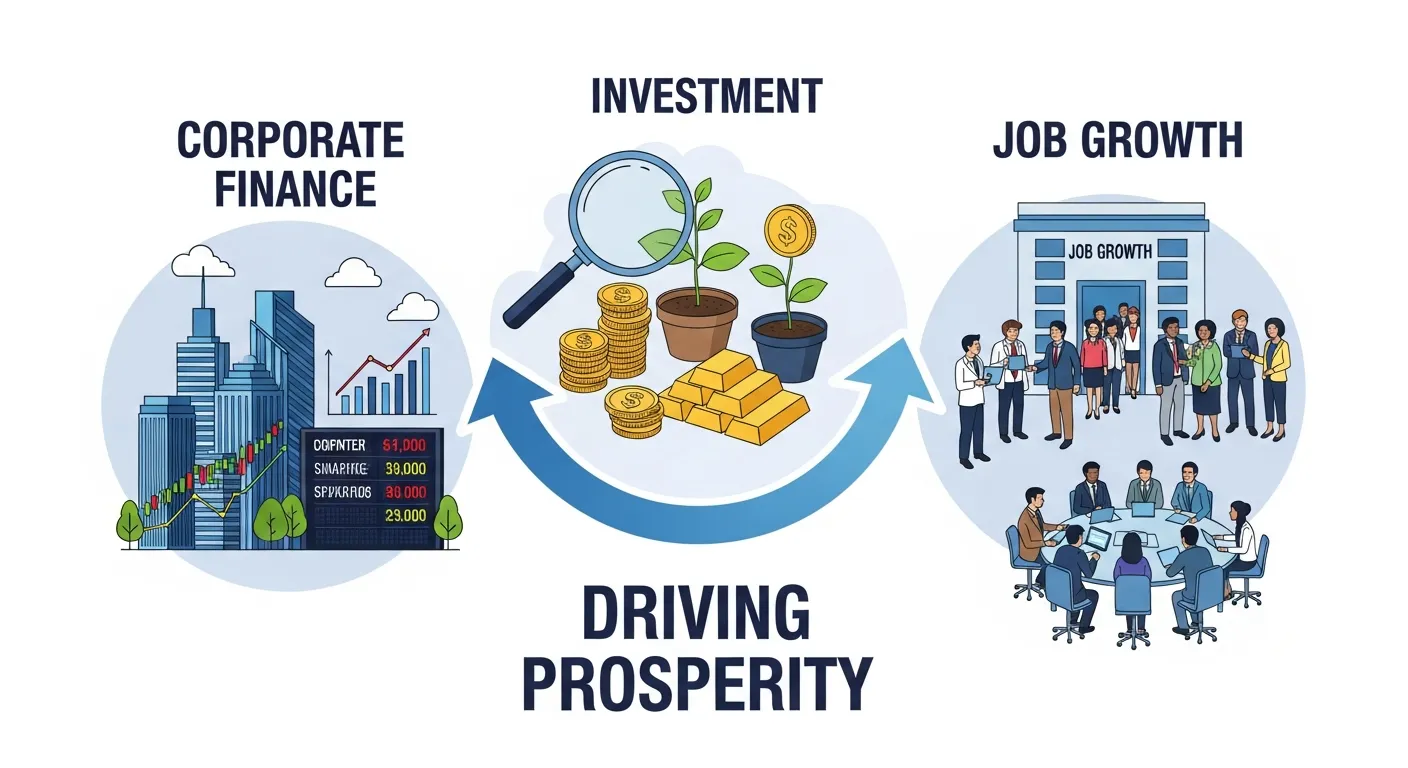
The stock market is a vital source of capital for publicly traded companies. By issuing shares, businesses can raise funds to finance expansion, invest in research and development (R&D), acquire other companies, and create new jobs. The health of the stock market directly impacts a company’s ability to pursue these growth-oriented activities.
- Bull Market Dynamics: In a rising or “bull” market, companies find it easier and cheaper to raise capital. Higher stock prices mean they can raise the same amount of money by issuing fewer shares, minimizing dilution for existing shareholders. This favorable environment encourages corporate executives to make bold investments, hire more employees, and expand their operations, all of which contribute to economic growth. The stock market influence here is a catalyst for innovation and expansion.
- Bear Market Constraints: In a declining or “bear” market, the opposite is true. Falling stock prices make it more difficult and expensive to raise capital. Companies may postpone major projects, freeze hiring, or even resort to layoffs to conserve cash. This corporate belt-tightening has a ripple effect, reducing overall economic productivity and contributing to higher unemployment rates. The stock market influence becomes a restrictive force, limiting business potential.
- Mergers and Acquisitions (M&A): A strong stock market also facilitates M&A activity. Companies can use their own inflated stock as currency to acquire other firms, leading to industry consolidation and potential synergies. This activity can spur further economic growth, though it also carries risks related to market concentration and job displacement.
The stock market influence on corporate decision-making is a key transmission mechanism through which market trends affect the real economy of jobs, production, and innovation.
The Role of Investor Events and Education
The stock market is not just a collection of numbers; it is a community of investors, analysts, and business leaders. The flow of information and education plays a significant role in shaping market behavior and, by extension, economic outcomes. Attending a well-organized stock market event for investors can provide invaluable insights into market trends, investment strategies, and the economic outlook. These gatherings allow individuals to learn from experts, network with peers, and gain a deeper understanding of the forces driving the market.
This educational component is crucial because an informed investor is typically a more rational one. Events, seminars, and workshops help demystify the complexities of the market, reducing the likelihood of panic-selling during downturns or irrational exuberance during bubbles. By fostering a more educated investor base, the financial community can contribute to a more stable market environment. This stability is beneficial for the broader economy, as it mitigates the extreme volatility that can disrupt consumer and business confidence. The stock market influence is therefore not just financial but also educational, shaping the knowledge and behavior of its participants.
Decoding Market Signals and Emotional Investing

The stock market is often described as a forward-looking mechanism, meaning its performance reflects investors’ collective expectations about the future. A rising market generally indicates optimism about future corporate earnings and economic growth, while a falling market suggests pessimism. This makes the stock market a leading economic indicator. However, it is not a perfect predictor. The stock market influence can sometimes be clouded by human emotion, leading to market movements that are disconnected from underlying economic fundamentals.
Understanding the psychological drivers behind investment decisions is just as important as analyzing financial data. Fear and greed are powerful emotions that can lead to herd behavior, speculative bubbles, and devastating crashes. This section delves into how emotions impact investment choices, the difference between market speculation and fundamental investing, and how to interpret market signals more effectively.
The Psychology of Investing: Fear, Greed, and Market Sentiment
The field of behavioral finance studies how psychological biases affect investors and market outcomes. It recognizes that investors are not always rational actors. Instead, their decisions are often swayed by emotions, which can have a significant stock market influence.
- Greed and FOMO (Fear of Missing Out): During bull markets, the desire for quick profits can become overwhelming. As investors see others making money, FOMO kicks in, compelling them to buy into rising assets without proper due diligence. This herd mentality can inflate asset prices beyond their intrinsic value, creating speculative bubbles like the dot-com bubble of the late 1990s or certain cryptocurrency manias.
- Fear and Panic Selling: Conversely, during market downturns, fear takes over. The sight of declining portfolio values can trigger a panic response, leading investors to sell their holdings at a loss to avoid further declines. This mass selling exacerbates the downturn, pushing prices even lower and creating a cycle of fear. Understanding why stock market emotions can make or break your portfolio is the first step toward developing the discipline needed for long-term success.
- Confirmation Bias: This is the tendency to favor information that confirms pre-existing beliefs. An investor who is bullish on a particular stock will seek out positive news and dismiss negative information, which can lead to poor decision-making. The stock market influence is amplified when large groups of investors share the same bias.
Managing these emotions is a key challenge for every investor. Strategies like setting clear investment goals, diversifying your portfolio, and avoiding daily market noise can help you maintain a rational and disciplined approach.
Speculation vs. Fundamental Investing
The stock market accommodates different investment philosophies, but they can be broadly categorized into two camps: speculation and fundamental investing. The balance between these two approaches has a significant stock market influence on overall market stability.
|
Investment Approach |
Definition |
Time Horizon |
Key Characteristics |
Economic Impact |
|---|---|---|---|---|
|
Fundamental Investing |
Focuses on a company’s intrinsic value, based on its financial health, management, and competitive position. |
Long-term (years) |
Involves deep analysis of financial statements, industry trends, and economic conditions. Aims to buy undervalued assets. |
Promotes efficient allocation of capital to productive companies, supporting sustainable economic growth. |
|
Speculation |
Focuses on predicting short-term price movements based on market sentiment, charts, and momentum. |
Short-term (days, weeks, or months) |
Relies on technical analysis, market timing, and often higher-risk strategies. The underlying value of the asset is a secondary concern. |
Can provide market liquidity but may also lead to excessive volatility and speculative bubbles that can destabilize the economy when they burst. |
While both approaches have a place in the market, an over-reliance on speculation can be dangerous. When market participants are primarily focused on short-term gains rather than long-term value creation, it can lead to misallocations of capital and increase systemic risk. The stock market influence is most beneficial to the economy when it is driven by sound, fundamental analysis that directs capital toward innovative and efficient companies. A healthy market needs a good balance, but long-term economic stability is better served by a focus on fundamentals.
Learning to Invest: The Power of Visual Education
For newcomers, the world of investing can seem intimidating. The jargon, charts, and complex financial instruments can be a significant barrier to entry. This is where educational resources, particularly visual ones, can make a profound difference. A well-structured beginner stock market investing guide video series can break down complex topics into easily digestible concepts.
Visual learning can help demystify topics such as:
- How to read a stock chart.
- The difference between stocks and bonds.
- The principles of diversification.
- How to place a trade through a brokerage account.
By making investment education more accessible, these resources empower more people to participate in the market in an informed way. A broader base of knowledgeable investors can lead to a more stable and efficient market, reducing the impact of uninformed herd behavior. This democratization of financial knowledge is a positive aspect of the stock market influence, as it allows more individuals to build long-term wealth and participate in the growth of the economy.
Monetary Policy, Global Factors, and the Stock Market Influence
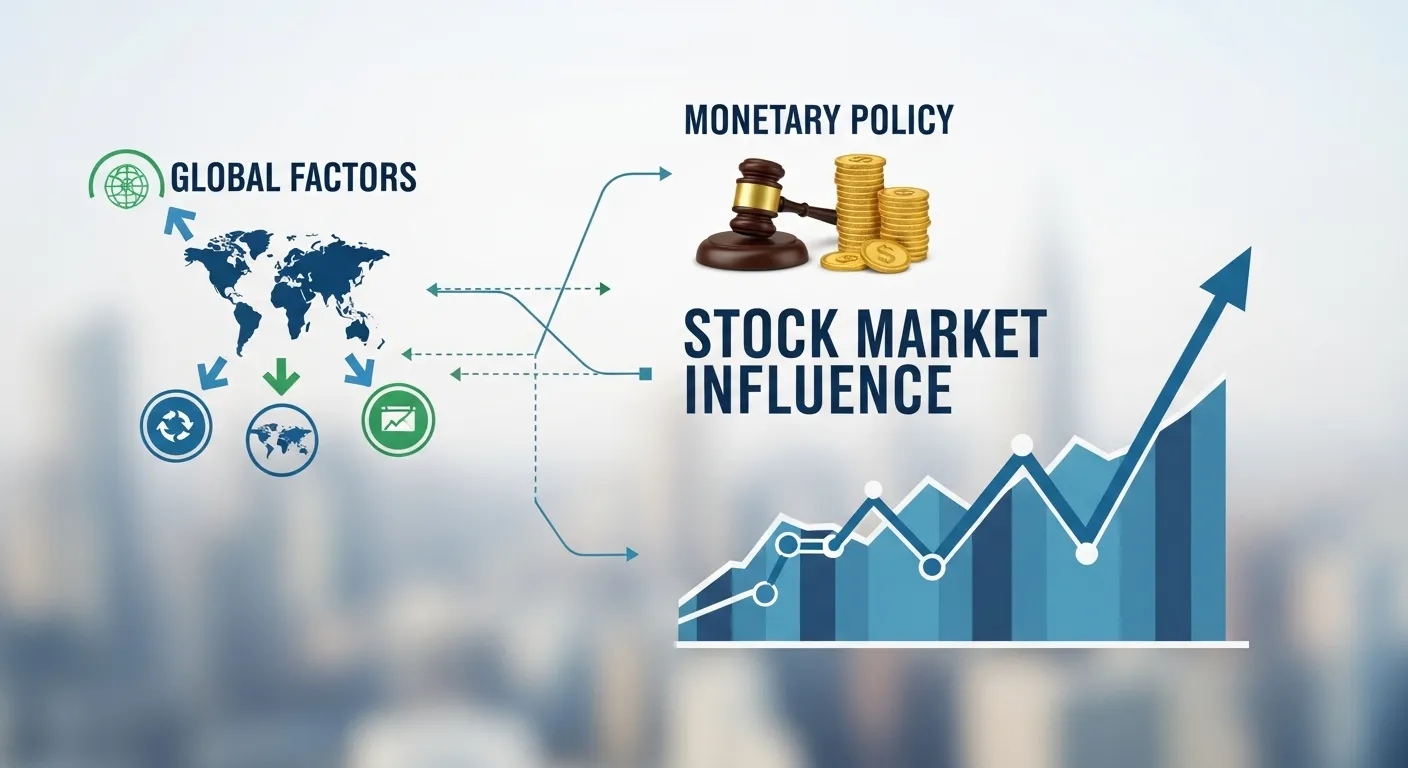
The stock market does not operate in a vacuum. It is deeply influenced by the actions of central banks, government policies, and global economic trends. The interplay between monetary policy, interest rates, and stock valuations is a critical dynamic that every investor must understand. Furthermore, in our increasingly interconnected world, events happening on the other side of the globe can have an immediate and significant stock market influence at home.
This section examines how central bank policies, particularly interest rate decisions, affect the stock market. It also explores the impact of fiscal policy, geopolitical events, and technological disruptions on market performance. Understanding these broader forces is essential for contextualizing market movements and making informed financial decisions. The stock market influence is not just a domestic phenomenon; it is a global one.
The Federal Reserve and Interest Rate Dynamics
In the United States, the Federal Reserve (the Fed) wields immense power over the economy and the financial markets through its control of monetary policy. The Fed’s primary tool is the federal funds rate, which is the interest rate at which banks lend to each other overnight. Changes to this rate have a cascading effect on all other borrowing costs in the economy.
- Low-Interest Rate Environment: When the Fed lowers interest rates, it becomes cheaper for businesses to borrow money to invest and expand. It also makes it cheaper for consumers to take out mortgages and other loans. This stimulates economic activity. For the stock market, low rates have a dual benefit:
-
- They boost corporate profits by reducing borrowing costs.
- They make stocks more attractive relative to safer investments like bonds, which offer lower yields in a low-rate environment. This is often referred to as the “TINA” (There Is No Alternative) effect.
- High-Interest Rate Environment: When the Fed raises interest rates to combat inflation, the opposite occurs. Borrowing becomes more expensive, which can slow down corporate investment and consumer spending. For the stock market, higher rates can be a headwind:
-
- They can squeeze corporate profit margins.
- They make bonds and other fixed-income investments more attractive, potentially drawing money out of the stock market.
The Fed’s actions are a powerful driver of the stock market influence. The anticipation of Fed decisions can cause significant market volatility, as investors try to position themselves for the changing interest rate landscape.
Government Fiscal Policy and Market Reactions
While monetary policy is the domain of central banks, fiscal policy is controlled by the government. Fiscal policy involves the use of government spending and taxation to influence the economy. These decisions can also have a profound stock market influence.
- Government Spending: Increased government spending, such as on infrastructure projects or social programs, can directly boost economic activity and corporate revenues, which is generally positive for the stock market.
- Tax Policy: Changes in tax laws can have a significant impact. For example, a reduction in the corporate tax rate directly increases after-tax profits, which can lead to higher stock prices and increased business investment. Conversely, higher taxes can reduce profits and weigh on market sentiment.
- Regulation: Government regulations can also affect specific industries. For instance, stricter environmental regulations might increase costs for energy companies, while deregulation in the financial sector might be seen as a positive for banks. The stock market influence is often sector-specific when it comes to regulatory changes.
The interplay between fiscal and monetary policy is complex. A coordinated approach can lead to strong, sustainable growth, while conflicting policies can create uncertainty and market volatility.
Global Interconnectivity and Geopolitical Risks
In the 21st century, no market is an island. A crisis in one part of the world can quickly spread through the global financial system. The stock market influence is now a global phenomenon, with markets around the world moving in greater correlation than ever before.
Key global factors include:
- Geopolitical Events: Conflicts, trade disputes, and political instability in major economies can create significant uncertainty. For example, a trade war between the U.S. and China can disrupt supply chains and hurt the profits of multinational corporations, leading to a broad market sell-off.
- Commodity Prices: Fluctuations in the prices of key commodities, especially oil, can have a major economic impact. Higher oil prices act like a tax on consumers and can increase costs for many businesses, while lower prices can provide a boost to the economy.
- Currency Exchange Rates: Changes in currency values affect the competitiveness of a country’s exports and the cost of its imports. A strong dollar, for instance, makes U.S. exports more expensive and can hurt the profits of American companies that do a lot of business overseas.
Investors must now pay attention to a wide range of global factors to understand the full context of the stock market influence. What happens in Beijing, Brussels, or Moscow can have a direct impact on a portfolio based in New York. This global interconnectedness adds another layer of complexity to investing.
Frequently Asked Questions (FAQ)
1. Is the stock market the same as the economy?
No, they are not the same, but they are closely related. The economy represents the total production and consumption of goods and services, while the stock market reflects the value of publicly traded companies. The stock market is often seen as a leading indicator for the economy.
2. Can the stock market crash even if the economy is strong?
Yes, it is possible. A stock market crash can be triggered by a speculative bubble bursting, a geopolitical shock, or a financial crisis, even if the underlying economic data (like employment and GDP) is still strong. Often, however, a market crash precedes an economic downturn.
3. How does inflation affect the stock market?
High inflation is generally negative for the stock market. It erodes the value of future corporate earnings, increases costs for businesses, and typically prompts the central bank to raise interest rates, which can also cool down the market.
4. What is the difference between a bull market and a bear market?
A bull market is a period of sustained rising stock prices, typically defined as a 20% or more increase from a recent low. A bear market is the opposite: a period of falling prices, usually a decline of 20% or more from a recent high.
5. How does the stock market influence the broader economy?
The stock market influences the economy in several key ways, from shaping consumer confidence through the wealth effect to driving business investment and hiring decisions. For a detailed look at these connections, see how the stock market influences the economy. You can also learn more about how the stock market influences the economy, exploring the various channels through which market trends affect economic activity on a broader scale.
6. Why should an average person care about the stock market?
Even if you don’t invest directly, the stock market influence affects you. It impacts job security, as companies are more likely to hire in a strong market, and it affects the value of retirement savings in 401(k)s and pensions.
7. Does a rising stock market benefit everyone equally?
No, the benefits are not distributed equally. A rising stock market primarily benefits those who own stocks, which is a wealthier segment of the population. This can contribute to widening wealth inequality in the economy.
8. What are the primary factors influencing financial markets today?
Currently, major factors include central bank interest rate policies, inflation levels, geopolitical tensions, and the pace of technological change, particularly in artificial intelligence. For an updated view, you can explore what’s influencing financial markets right now.
9. What is a stock market ‘bubble’?
A bubble occurs when the price of an asset, like stocks, rises to a level far above its fundamental value, driven by speculation and irrational exuberance. Bubbles are unsustainable and inevitably end in a sharp price collapse or “crash.”
10. How does a strong stock market impact economic growth?
A strong market fosters a positive feedback loop. It boosts consumer and business confidence, which leads to increased spending and investment, thereby driving job creation and overall economic growth. This is a core aspect of how the stock market influences the economy.