How the Stock Market Impacts the Economy and Financial Growth

From the nine o’clock news to Financial Twitter, the melody of the stock market often permeates discussions of the economy. But how big a deal is it really? For many, it’s a weird entity that any one day is high but low the next and seems to have nothing to do with people’s lives. This idea, however, is a total myth. The stock market most certainly shapes economic conditions in several ways. What people buy, how they buy it, and even company growth are also affected by the stock market.
The Stock Market in a Nutshell
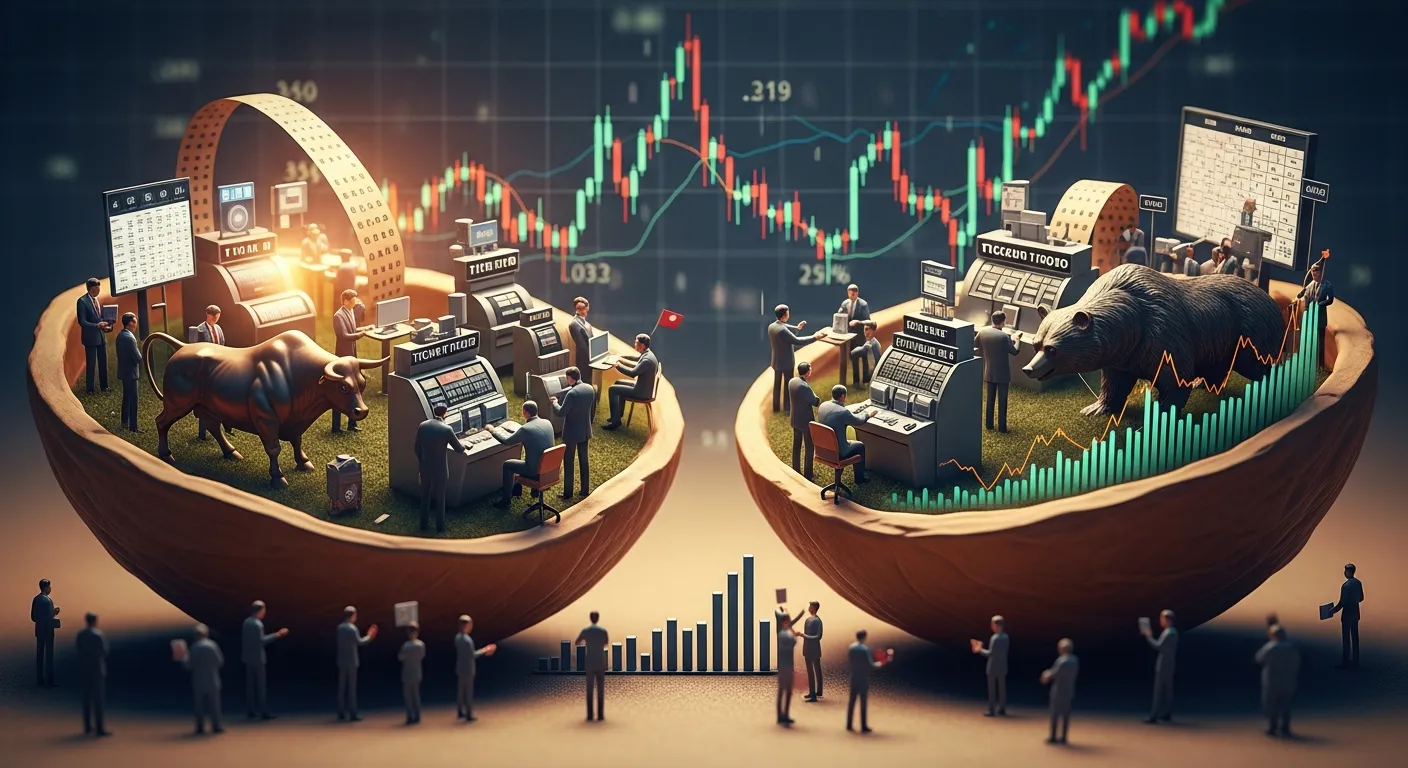
To understand its impact, let’s begin at the beginning. The stock market is a centre for buying and selling shares of public companies. When you hold stocks, it means you are part owner in that company. Indeed, if activities then take place, such as selling off assets or expanding operations, then this will happen at no cost whatsoever to other owners of these things.
The stock market is a barometer for economic health and a place which reflects investor sentiment, company valuations, and confidence in future growth. But it’s not just for the small clique of people on Wall Street. The consequences of the stock market’s performance affect almost everyone either directly or indirectly.
Key Economic Indicators Found in the Stock Market
The stock market often mirrors certain components of the economy. Here are a few economic indicators tied to stock market performance that offer insights into the broader financial health of the nation:
- Consumer Sentiment: Rising stock prices can boost consumer confidence as people feel wealthier, potentially leading to higher spending.
- Corporate Earnings Reports: These reports influence stock prices and reflect how well businesses are doing in real terms, which trickles down to job creation or layoffs.
- Capital Flow: The level of investment activity in the stock market often signals trends in available capital for innovation and expansion.
How the Stock Market Impacts the Economy
Certain mechanisms make the stock market a powerful player in shaping economic behaviour.
1. Consumer Wealth and Spending
As stock prices climb, investors and small shareholders are actually recipients of increasing wealth. Called the “wealth effect”, individuals often spend more, further stimulating the economy. For example, if prices of big indices such as the S&P 500 rise, then homeowners may decide to renovate their home, parents send their children to private schools, or families go on vacation. Despite the drop in the stock market last year, consumer confidence fell, people stopped spending, and businesses began to shrink.
2. Access to Business Capital
The stock market serves as a critical funding source for businesses. Companies raise money by issuing shares to the public through Initial Public Offerings (IPOs) or secondary offerings. This capital is then used for operational growth, research, development, or paying down debt.
When stock prices are high, companies can raise capital more efficiently and cost-effectively. However, during a downturn, stock losses often restrict capital-raising opportunities, leading to slower innovation and reduced hiring.
3. Impact on Retirement Funds and Pensions
For millions of people, the stock market is tied to retirement savings. Pension funds, 401(k) plans, and IRAs are often heavily invested in stocks. Strong market performance can significantly grow these funds, providing financial security for retirees.
On the flip side, a weak market could mean lower returns, leaving individuals with less money for retirement. This directly impacts how much they save and spend during their working years, feeding back into the economy.
4. Interest Rates and the Federal Reserve
The Federal Reserve closely monitors the stock market as part of its policy considerations. When markets soar, the Fed might adopt tighter monetary policies to cool inflation. Conversely, a market slump may push the Fed toward lowering interest rates to stimulate borrowing and spending.
For example, during the COVID-19 pandemic in 2020, the Federal Reserve slashed interest rates and initiated quantitative easing to stabilize both the stock market and the broader economy.
5. Investor Sentiment and Confidence
The psychology of the market can’t be underestimated. A thriving stock market often creates positive buzz, leading to a feel-good factor that can encourage entrepreneurship, consumer demand, and investment.
However, market volatility can quickly dampen investor confidence, which might lead businesses to delay expansion plans or consumers to postpone significant purchases.
How Does Market Volatility Fit Into the Picture?
 Economic stability thrives on predictability, yet the stock market is often marked by volatility. Rapid fluctuations in stock prices can have both immediate and long-term effects on economic activity.
For example, sharp declines, like those seen during the 2008 Financial Crisis, can lead to widespread financial panic, triggering reduced consumer spending and freezing credit markets. However, short-term volatility, such as a temporary market correction, is less likely to have a lasting economic impact.
Examples of Market Volatility Influencing the Economy
- The Dot-Com Bubble (1999-2001): The overvaluation of technology stocks led to a significant market crash, negatively impacting consumer wealth and business funding.
- The 2008 Financial Crisis: Triggered by the collapse of major financial institutions and a stock market crash, this led to severe global economic stagnation.
- COVID-19 Crash (2020): March 2020 saw markets plummet, prompting rapid government intervention to prevent prolonged economic fallout.
Interdependence vs. Independence
Though the stock market and the economy are closely interrelated, they are not the same. Yes, the stock market really works by its own rules: It will continue its meteoric rise even while people are going down under the AAA virus attacks.
This disconnect is mostly a result of how the stock market prices future potential rather than current conditions. Investors, for example, concentrate on expected company earnings and potential growth industries at a remove from ongoing economic hardship.
In the end, however, sustained market gains over a long period are usually good news for the overall economy, representing as they often do an underlying increase in productivity and profits.
What the Future Holds
The relationship between the stock market and the economy is unlikely to wane anytime soon. With increasing financialization and the growing accessibility of the markets through apps and online platforms, more consumers and businesses are tied to its performance than ever before.
Moving forward, innovations like blockchain technology and artificial intelligence will likely shape how markets interact with the economy. These advancements could create new investment opportunities, further intertwining growth prospects with stock market trends.
Stock Market and Employment Trends
The stock market significantly influences employment trends across industries. When companies experience rising stock prices, they gain confidence and easier access to capital, allowing them to expand operations and hire more employees. Strong market performance often signals economic optimism, encouraging businesses to invest in workforce development and innovation. Conversely, during market downturns, declining stock values can lead companies to cut costs, freeze hiring, or lay off workers to protect profits. This reaction directly impacts household income and consumer spending levels. Additionally, publicly traded companies often adjust staffing strategies based on shareholder expectations and quarterly performance reports. As a result, employment cycles frequently mirror broader stock market movements, reinforcing the interconnected relationship between financial markets and job stability.
Inflation and Market Performance
Inflation plays a powerful role in shaping stock market performance. When inflation rises moderately, companies may increase prices and maintain profitability, supporting stock growth. However, high inflation reduces purchasing power, increases operational costs, and pressures profit margins. Investors closely monitor inflation reports because they influence interest rate decisions by central banks. Rising rates typically reduce stock valuations, as borrowing costs increase and future earnings become less attractive. Conversely, stable inflation supports steady growth and investor confidence. Market reactions to inflation data can be swift and dramatic, affecting portfolios and retirement accounts. Ultimately, inflation and stock performance operate in a feedback loop, where each influences economic expectations and future financial decision-making.
Global Markets and Economic Connectivity
 Modern stock markets are deeply interconnected across borders. A downturn in one major economy can trigger ripple effects worldwide. For instance, economic slowdowns in the United States, China, or the European Union often influence global investor sentiment and capital flows. International trade, foreign investment, and multinational corporations tie stock markets together. When global supply chains face disruptions, stock prices reflect these uncertainties almost immediately. Additionally, currency fluctuations impact multinational company profits and stock valuations. As globalization expands, the link between domestic stock markets and international economic conditions becomes stronger. This global interdependence means economic stability increasingly depends on coordinated policies and international investor confidence.
Final Thoughts
The inventory market is not simply a sequence of indexes, nor just magazine headlines. Its position as a mirror of economic sentiment and an engine for future growth is unique. From determining the way people spend money to enabling industrial plants, its influences reach far beyond Wall Street.
For any business or investor, the impact of the stock market on the economy is vital. Whether you are thinking about investment, expansion or saving up your cash, the influence of the market is there all the time.
Takeaway Action
If you’re curious about how stock marketing trends could affect your financial strategy or business decisions, consider consulting a financial advisor or subscribing to reliable economic analysis platforms. Staying informed is the first step toward making smarter financial moves.
FAQs
What is the stock market?
A marketplace where investors buy and sell shares of publicly traded companies. It allows businesses to raise capital for growth while giving investors opportunities to earn returns through dividends and price appreciation over time.
How does the stock market affect the economy?
It influences consumer spending, business investment, employment, and confidence levels. Rising markets often increase wealth and optimism, while downturns may reduce spending, slow hiring, and limit access to business funding.
Why do stock prices fluctuate daily?
Prices change due to supply, demand, earnings reports, economic data, global events, and investor sentiment. News about interest rates, inflation, or corporate performance can quickly impact buying and selling activity.
Does a rising stock market mean a strong economy?
Often yes, but markets reflect future expectations, not just current conditions. Investors price stocks based on projected earnings, growth potential, and anticipated economic trends rather than present-day performance alone.
How does the stock market impact retirement savings?
Many retirement funds invest in stocks, so performance directly affects savings growth. Long-term market gains help build wealth, while downturns may temporarily reduce account balances and retirement security.
What is market volatility?
Rapid price fluctuations create uncertainty in financial markets. Volatility can result from economic data releases, geopolitical tensions, or unexpected corporate news, influencing investor confidence and risk tolerance.
How does inflation affect stocks?
High inflation can reduce profits and lower stock valuations. Rising costs increase expenses for businesses, while higher interest rates may decrease consumer spending and reduce future earnings potential.
Can small businesses be affected by stock trends?
Yes, through lending conditions and consumer demand changes. Strong markets improve confidence and credit availability, while downturns may tighten financing and reduce customer spending.
What role does the Federal Reserve play?
It adjusts interest rates, influencing stock valuations and economic growth. Lower rates encourage borrowing and investment, while higher rates aim to control inflation but may slow market momentum.
Are global markets connected?
Yes, economic events in one country can impact markets worldwide. International trade, supply chains, and cross-border investments link financial systems across major global economies.
Does technology influence stock markets?
Yes, digital trading platforms, artificial intelligence, and algorithmic systems improve efficiency and speed. However, rapid automated trading can sometimes amplify volatility during uncertain market conditions.
Is the stock market the same as the economy?
No, but they are closely interconnected over the long term. The stock market reflects investor expectations, while the economy measures actual production, employment, and consumption activity.