How Big Is the Influencer Marketing Industry?
Explore the $21.1 billion influencer marketing industry, its rapid growth, and strategies for success. Learn about influencer tiers, platform dynamics, and future trends like AI and sustainability to craft a winning influencer marketing strategy that drives ROI and engagement.
In a digitized society where attention is the most valuable currency, the marketing landscape has shifted dramatically. Gone are the days when a simple television commercial or a glossy magazine spread guaranteed consumer attention. We have entered an era where authenticity reigns supreme, and the messenger matters just as much as the message. This shift has transformed what was once a niche tactic into a $21.1 billion global powerhouse: the influencer marketing industry.
But how big is this field truly? How did it evolve from scattered product mentions by bloggers into a sophisticated economic engine? More importantly, how can brands navigate this complex ecosystem to build a robust influencer marketing strategy that delivers tangible returns?
This comprehensive guide delves deep into the size of the field, the factors driving its explosive development, and the actionable lessons brands must adopt to maximize their chances in a competitive environment. We will explore the nuances of platform dynamics, the psychological triggers behind influencer trust, and the future trends shaping this multi-billion-dollar juggernaut.
The Explosive Growth and Economic Impact of Influencer Marketing
Over the past decade, we have witnessed a fundamental restructuring of how consumers interact with brands. What started as “digital word-of-mouth” has matured into a dominant force in the advertising space. By 2023, the global industry valuation hit an estimated $21.1 billion, a figure that seemed impossible just a few years prior, when the market was valued at a mere $1.7 billion in 2016.
This rapid ascent represents a compound annual growth rate (CAGR) exceeding 40%. It is not just about the money flowing into the system; it is about where that money is going. Brands are reallocating massive portions of their advertising budgets away from traditional media and funneling them into an influencer marketing strategy that prioritizes human connection over corporate broadcasting.
The Drivers of Exponential Expansion

Several key factors are fueling this growth. First, the sheer volume of digital consumption is unprecedented. With people spending an average of over two hours daily on social media, these platforms have become the primary lens through which we view the world. This constant connectivity provides influencers with an always-on channel to engage with their audiences.
Second, the “trust deficit” in traditional advertising has widened. Consumers have become skeptical of polished corporate messaging. A Nielsen report indicates that 83% of people trust recommendations from friends and known personalities more than brand promotions. Influencers bridge this gap effectively. When you develop an influencer marketing strategy, you are essentially renting the trust that a creator has spent years building with their audience.
Key Drivers of Industry Growth:
- Digital Immersion: The integration of social media into every aspect of daily life, from news consumption to shopping.
- Ad-Blocking Technology: As consumers use tools to block traditional display ads, native influencer content remains visible and effective.
- Platform Diversification: The rise of TikTok, Twitch, and Threads ensures there is a niche for every demographic.
- Content Democratization: Anyone with a smartphone can become a creator, vastly increasing the supply of potential partners for your influencer marketing strategy.
- Measurable ROI: Advanced analytics now allow brands to track sales directly attributed to specific influencers, validating the investment.
Comparing Traditional vs. Influencer Models
To understand why an influencer marketing strategy is so effective, we must look at how it differs fundamentally from the old guard of advertising.
|
Feature |
Traditional Advertising |
Influencer Marketing |
|---|---|---|
|
Primary Focus |
Brand-centric messaging |
Consumer-centric storytelling |
|
Trust Factor |
Low (perceived as biased) |
High (perceived as authentic peer review) |
|
Targeting |
Broad demographics (TV, Print) |
Hyper-niche communities (Gaming, Veganism, Crypto) |
|
Engagement |
Passive consumption |
Active participation (Comments, Shares, Remixes) |
|
Cost Structure |
High barrier to entry (Production + Ad Buy) |
Scalable (From free product exchange to high fees) |
As we look at specific niches, the versatility of this method becomes clear. For instance, in the rapidly evolving world of Web3 and digital assets, traditional ad channels often restrict crypto-related content, making influencers the primary vehicle for promotion. Read this guide on launching NFT projects via influencers
The demand is undeniable. Nearly 90% of marketers believe an influencer marketing strategy delivers a strong return on investment (ROI). This isn’t just a trend; it is the new standard operating procedure for modern business. Brands that fail to integrate these tactics risk becoming invisible to a generation that values authenticity over polish.
Building the Core Pillars of Your Influencer Marketing Strategy
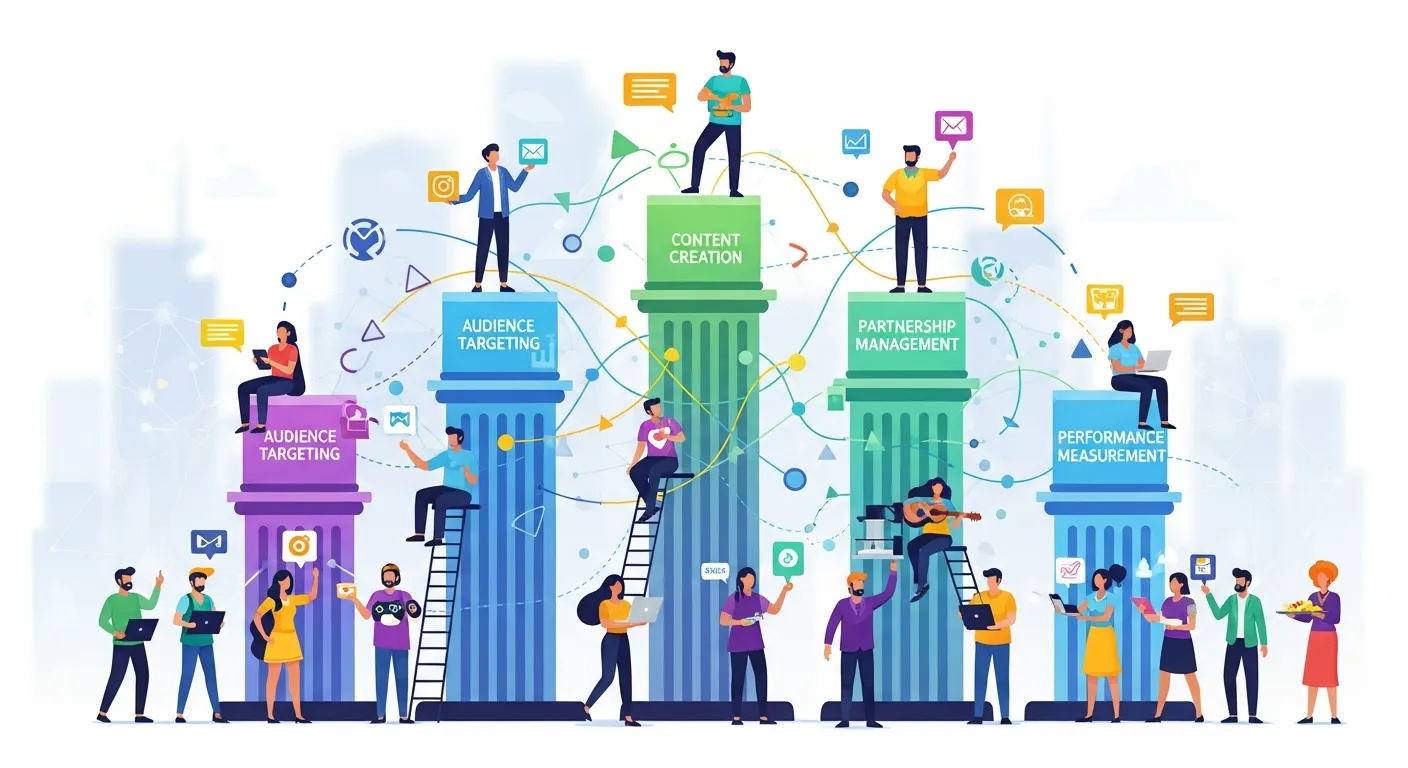
Creating a successful campaign requires more than just paying someone with a lot of followers to hold your product. A sophisticated influencer marketing strategy involves careful selection, platform alignment, and a deep understanding of audience psychology. It is about finding the right voice to amplify your message in a way that feels organic rather than intrusive.
One of the most critical decisions you will make is selecting the “tier” of influencer. The industry has moved away from a celebrity-only obsession. Today, the most powerful results often come from smaller creators who possess hyper-engaged communities.
Understanding Influencer Tiers
When formulating your influencer marketing strategy, you must assess which tier aligns with your goals.
- Nano-Influencers (1K–10K followers): These creators often look like “regular people” to their followers. Their engagement rates are typically the highest because they personally know many of their followers. They are cost-effective and excellent for localized campaigns or building deep trust.
- Micro-Influencers (10K–100K followers): This is the sweet spot for many brands. They have enough reach to generate significant awareness but still maintain a close connection with their audience. An influencer marketing strategy focused on micro-influencers often yields the best balance of reach and conversion.
- Macro-Influencers (100K–1M followers): These are professional content creators. They offer high reach and high production value. While they are more expensive, they can put a brand on the map overnight.
- Mega-Influencers & Celebrities (1M+ followers): These partnerships are primarily for massive brand awareness plays. They are costly and often have lower engagement rates percentage-wise, but the sheer volume of eyeballs is unmatched.
Strategic Considerations for Tier Selection:
- Budget Efficiency: Nano and micro-influencers often accept product gifting or lower fees, allowing you to diversify your spend across many voices rather than betting it all on one star.
- Niche Authority: If you are selling a specialized product (e.g., specialized coding software), a micro-influencer in the tech space is far more valuable to your influencer marketing strategy than a fashion celebrity.
- Content Rights: Smaller creators are often more flexible about letting you reuse their content (UGC) in your paid ads and website, extending the value of the partnership.
Platform Dynamics and Content Formats
Your influencer marketing strategy must also be platform-specific. What works on LinkedIn will fail miserably on TikTok.
- Instagram: The home of aesthetic visuals. Perfect for beauty, fashion, travel, and lifestyle. Stories and Reels drive high engagement.
- TikTok: The engine of virality. Favors raw, unpolished, entertaining content. Essential for reaching Gen Z.
- YouTube: The king of long-form. Ideal for in-depth reviews, tutorials, and storytelling that requires more than 60 seconds.
- LinkedIn: The professional hub. B2B brands are now building a robust influencer marketing strategy here using industry thought leaders.
To dive deeper into leveraging smaller creators for maximum impact, understanding the mechanics of the “micro” tier is essential for high ROI. Check out this detailed guide on micro-influencer tactics
Influencer Tier ROI Breakdown
|
Influencer Tier |
Follower Count |
Avg. Engagement Rate |
Best Use Case for Strategy |
|---|---|---|---|
|
Nano |
1K – 10K |
4% – 8% |
Hyper-local targeting, seeding trust, and UGC creation |
|
Micro |
10K – 100K |
2% – 5% |
Conversions, niche penetration, specific product intros |
|
Macro |
100K – 1M |
1.5% – 3% |
Broad awareness, shaping brand perception |
|
Mega |
1M+ |
< 1.5% |
Global launches, massive visibility, household name status |
A diversified influencer marketing strategy often employs a “pyramid” approach: hiring a few macro-influencers for visibility while simultaneously activating an army of nano and micro-influencers to drive conversation and conversion. This surrounds the consumer, making the brand feel ubiquitous.
Execution, Measurement, and Future-Proofing Your Strategy
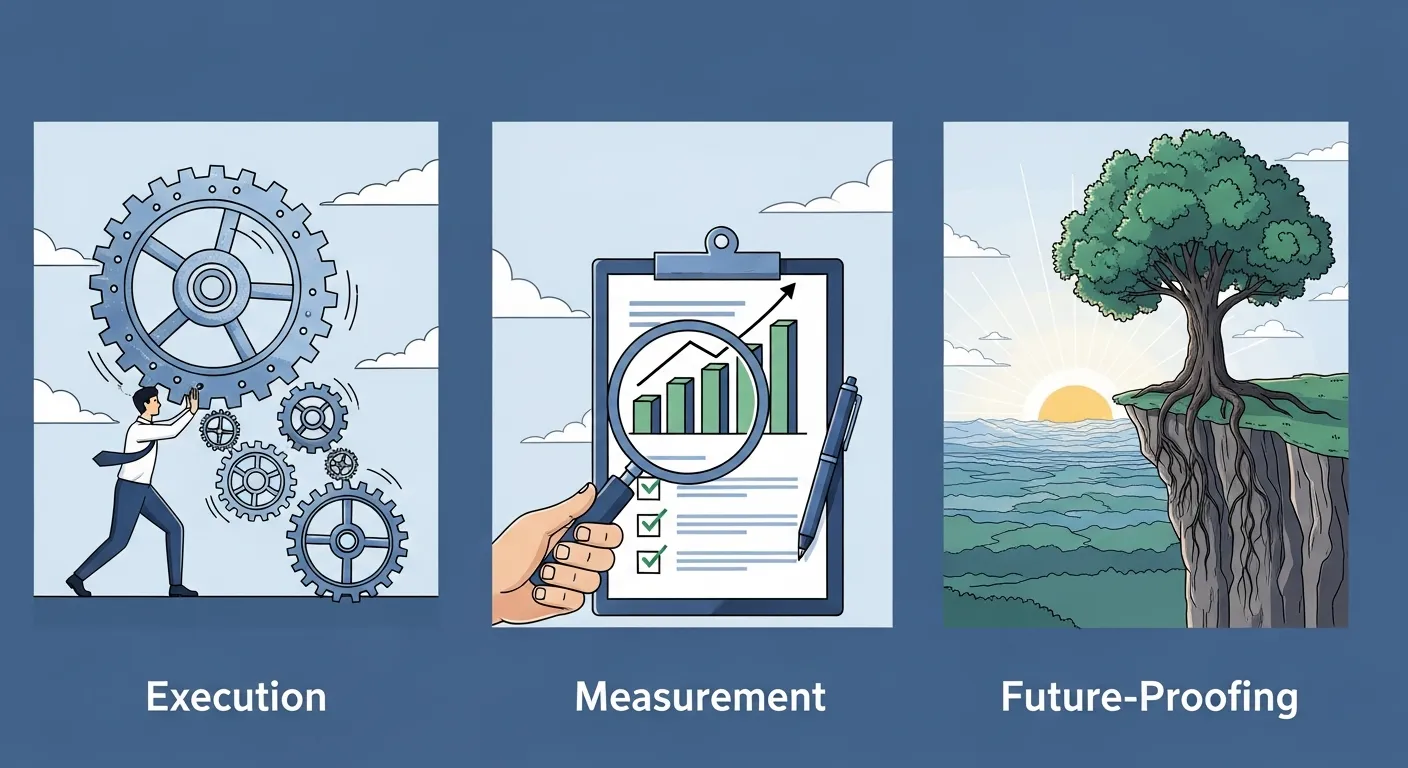
Even the best-laid plans can fail without precise execution and rigorous measurement. As the industry matures, the “spray and pray” method—where brands send free products to random people and hope for the best—is dead. A modern influencer marketing strategy is data-driven, legally compliant, and relentlessly focused on KPIs (Key Performance Indicators).
Navigating the Execution Phase
Successful execution starts with clear goal setting. Are you looking for brand awareness (CPM), traffic (CPC), or direct sales (CPA)? Your objective dictates your tactic. If your goal is sales, your influencer marketing strategy should focus on influencers who have a history of converting, likely using unique discount codes or tracked affiliate links. If the goal is awareness, focus on reach and impressions.
One of the biggest hurdles is the selection process. AI tools are revolutionizing this by analyzing millions of data points to find creators whose audience demographics match your buyer persona perfectly. This eliminates the guesswork from your influencer marketing strategy.
Actionable Steps for Campaign Success:
- Vetting is Vital: Don’t just look at follower count. Look for fake followers. Analyze the comment section—are they real people or bots? A solid influencer marketing strategy prioritizes engagement quality over vanity metrics.
- Creative Briefs, Not Scripts: Give creators guardrails, not handcuffs. The reason they have followers is their unique voice. If you force them to read a corporate script, the audience will tune out, and your influencer marketing strategy will backfire.
- Relationship Management: Treat influencers like partners, not billboards. Long-term ambassadorships often perform better than one-off posts because the audience sees the influencer consistently using the product over time.
- Compliance: Ensure all partners use proper disclosure tags (like #ad or #sponsored). Regulatory bodies are cracking down, and a non-compliant influencer marketing strategy is a liability.
The Future: AI, Sustainability, and Ethics
The landscape is shifting beneath our feet. Artificial Intelligence is not just helping with selection; virtual influencers (CGI characters managed by brands) are entering the market. While controversial, they offer total brand control.
Sustainability is another massive trend. Gen Z audiences are hyper-aware of environmental impact. An influencer marketing strategy that promotes wasteful consumption can face backlash. Brands are now partnering with “green influencers” to promote circular economy values.
Furthermore, localization is key. For global brands, managing campaigns across different regions requires specific expertise to navigate cultural nuances. Explore top-rated influencer services in the UK here
Measuring Success: The KPI Table
To know if your influencer marketing strategy is working, you must track the right metrics.
|
Goal |
Primary KPI |
Secondary KPI |
Why it Matters |
|---|---|---|---|
|
Brand Awareness |
Impressions / Reach |
Share of Voice |
Measures how many people saw the content. |
|
Engagement |
Engagement Rate |
Comments Sentiment |
Measures how the content resonated with the audience. |
|
Conversion |
Click-Through Rate (CTR) |
Sales / CPA |
Measures direct financial impact. |
|
Content Value |
Earned Media Value (EMV) |
Cost Per Content Piece |
Measures the savings compared to producing ads internally. |
In the world of influencer marketing, there are no signs the industry will end anytime soon. Modern companies cannot do without it. As brands strategically partner with the right influencers and expand their reach into emerging trends, they position themselves for lasting growth. Whether you’re getting started or refreshing your influencer marketing strategy, the key is to get in currently and stay informed as the industry continues its evolution.
Frequently Asked Questions (FAQ)
1. What are the primary benefits of an influencer marketing strategy?
An effective strategy builds immediate trust by leveraging established relationships between creators and their followers. It also allows brands to bypass ad-blockers and reach younger demographics who ignore traditional media. Furthermore, it provides high-quality content that can be reused across other marketing channels. Learn more about influencer benefits and best practices
2. How do I choose the right social media platform for my campaign?
You must align the platform with your target demographic and product type. For example, B2B software sells best on LinkedIn or Twitter/X, while visually appealing products like makeup or clothing thrive on Instagram and TikTok. Your influencer marketing strategy should prioritize where your ideal customer spends their leisure time.
3. What is the difference between a micro-influencer and a macro-influencer?
Micro-influencers typically have 10k-100k followers and are known for high engagement and niche expertise, making them great for conversions. Macro-influencers have 100k+ followers and offer massive reach, making them ideal for brand awareness, though they often come with a higher price tag and lower engagement rates.
4. How can I find influencers without spending hours searching manually?
Manual searching is inefficient; using dedicated outreach tools and databases is essential for scaling. These platforms allow you to filter by location, age, interests, and engagement metrics to find the perfect match for your brand. Using software streamlines the vetting process significantly. Discover top outreach tools for your next collab
5. How much should I budget for an influencer marketing strategy?
Budgets vary wildly based on the tier of influencer and the platform. You might gift products to nano-influencers, pay $500 for a micro-influencer post, or spend $50,000 for a celebrity endorsement. A good rule of thumb is to allocate budget for both the influencer fees and the paid amplification of their content.
6. How do I measure the ROI of my influencer marketing strategy?
You track ROI by assigning unique tracking links (UTMs) or discount codes to each influencer. This allows you to see exactly how much traffic and revenue each specific partner drove. You should also calculate “soft” ROI, such as the value of the content created and the brand sentiment generated.
7. Is artificial intelligence changing how we work with influencers?
Yes, AI is revolutionizing the industry by providing predictive analytics on campaign performance before you even launch. It helps identify fake followers, predicts which content style will resonate, and automates the tedious parts of contract management and communication.
Read how AI is transforming influencer marketing
8. What are the legal requirements for influencer marketing?
Transparency is non-negotiable. Influencers must clearly disclose their relationship with the brand using tags like #ad, #sponsored, or “Paid Partnership” features on platforms. Failure to do so can result in hefty fines from bodies like the FTC (in the US) or the ASA (in the UK).
9. Can B2B companies use an influencer marketing strategy effectively?
Absolutely. While B2C is more common, B2B brands leverage “thought leaders” and industry experts on platforms like LinkedIn and YouTube. These influencers validate software, services, and business solutions, providing social proof that is critical in high-stakes B2B purchasing decisions.
10. How long does it take to see results from an influencer campaign?
While a single post can drive an immediate spike in traffic, a robust influencer marketing strategy is a long-term play. It often takes multiple touchpoints (3-5 exposures) for a consumer to trust the recommendation and purchase. Continuous “always-on” campaigns generally outperform one-off blasts.