How AI Is Revolutionizing Influencer Marketing
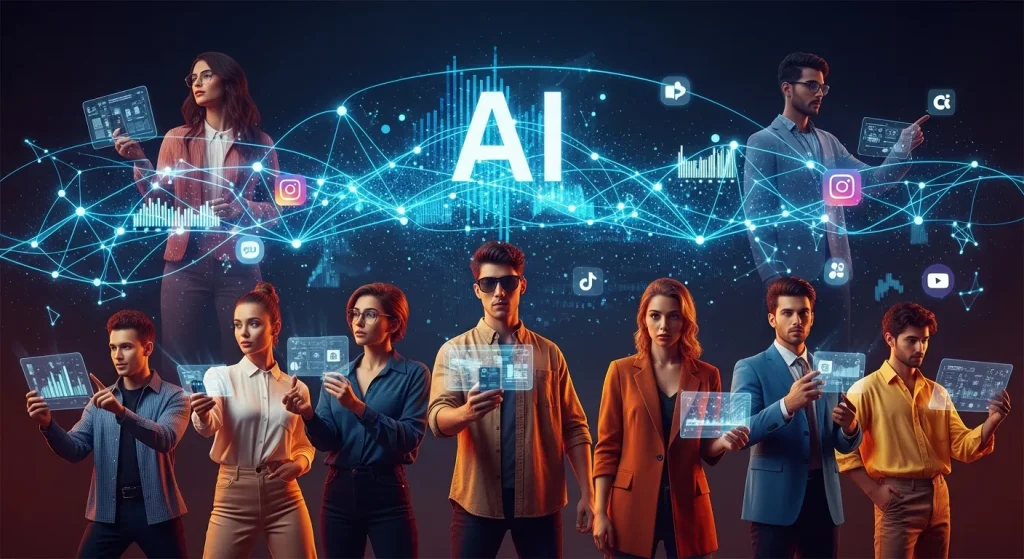
AI is revolutionizing influencer marketing through smarter targeting, fraud detection, predictive ROI, and real-time optimization. By combining automation with human creativity, brands can achieve scalable, data-driven, and highly effective influencer campaigns and beyond.
With AI at the heart of this transformation, the world of influencer marketing is fast-developing. AI has helped with everything from streamlining collaborations and picking the best influencer to optimizing audience targeting (and even being able to measure returns-from-investment, or ROI) but mainly it has made influencer marketing into a new era which is both efficient and precise.
What is Influencer Marketing
To grasp the influence of the unpredictable element on marketing, define what it is first. Influencer marketing is about working with people who have built up a dedicated following on social media to promote products or services. Simply put, such people are known as ‘influencers’ because of the influence and trust they exert over their audience. Some are influential because they are very connected with their audience, in a way that traditional advertising can never replicate. But about how to find the tight influencers? How do you manage campaigns for them, and where can you gauge ROI? These things take resources, according to AI.
How AI Enhances Influencer Identification
Leveraging data for smarter choices
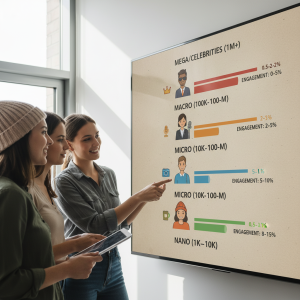
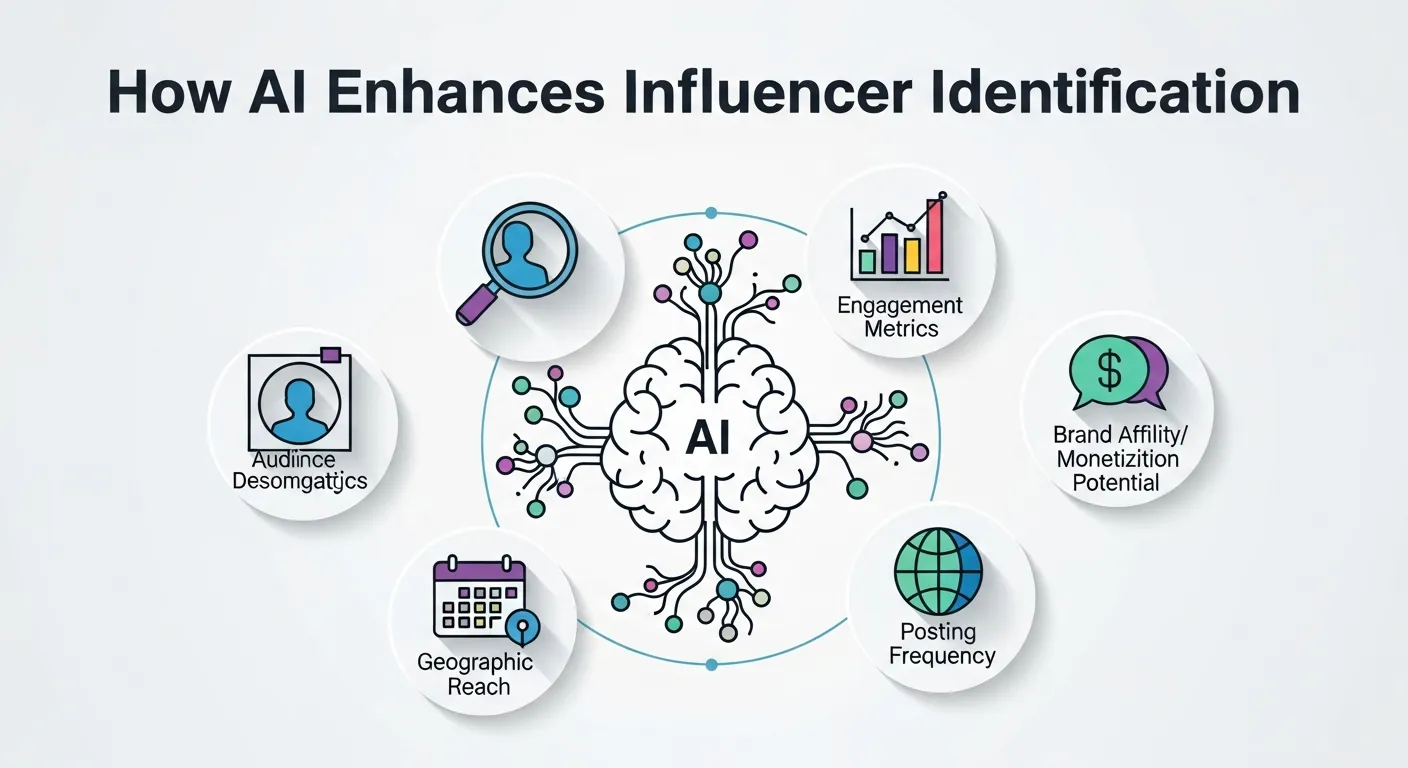
Manually searching for influencers who fit your brand can be like finding a needle in a haystack. AI-powered tools simplify this process by analyzing large data sets to identify influencers who align seamlessly with your brand values and objectives.
AI can evaluate an influencer’s engagement rates, audience demographics, and content relevance to provide a ranked list of potential candidates. Tools like Heepsy, Upfluence, and AspireIQ are already making these functionalities accessible for brands.
Fake follower detection
One of the biggest challenges in influencer marketing is identifying fake influencers or those with inflated follower counts. AI-powered platforms can analyze an influencer’s follower base, engagement, authenticity, and historical performance to detect fraudulent activity. This ensures that brands invest in authentic voices that will genuinely impact their target audience.
Smarter Campaign Targeting and Personalization
Audience insights
AI doesn’t just analyze influencers; it also provides invaluable insights into their audience. Businesses can use AI to understand the preferences, purchasing behaviors, and pain points of an influencer’s followers. Advanced algorithms can also predict how effectively an influencer’s audience will respond to your product or service.
Content personalization
Personalization is king in modern marketing. AI uses data from past campaigns and audience preferences to help influencers tailor sponsored content that resonates on a deeper level with their audience. For example, tools like Pattern89 help brands test content variations to find which performs best, ensuring the message captures the audience’s attention.
Campaign Optimization with AI
Content creation support
Creating engaging, high-performing content for influencer campaigns often takes significant planning and effort. AI can assist here, too. Platforms like Jasper and Copy.ai help influencers generate captions, taglines, and post ideas that reflect a brand’s tone and message. AI tools like Canva even streamline visual content creation with intuitive templates and suggestions.
Real-time campaign management
AI lets marketers monitor campaigns in real time and tweak strategies as needed. By analyzing metrics like engagement, click-through rates, and conversions, AI tools provide actionable feedback on what’s working and what’s not. Adjusting campaign elements, such as posting times or hashtags, becomes more efficient than ever.
Predicting ROI and Measuring Success
ROI prediction
One of the historical pain points of influencer marketing has been measuring ROI. AI changes the game by enabling predictive ROI analysis even before a campaign launches. By evaluating past influencer performance, campaign goals, and niche-specific trends, AI delivers a clear picture of anticipated outcomes.
Comprehensive analytics
Beyond prediction, AI excels in providing post-campaign analytics. AI tools consolidate campaign data into easily understandable dashboards, highlighting KPIs such as reach, engagement, traffic, and conversions. Platforms like HypeAuditor are popular for providing these in-depth metrics.
The Future of Influencer Marketing
AI-powered discovery platforms
AI will continue to improve influencer discovery platforms, offering businesses more targeted, data-rich options for partnerships. Expect integrations with AR and VR to reshape how influencers present products. Imagine personalized, interactive product recommendations delivered in influencer-led virtual environments.
Ethical AI usage
Future regulations may dictate how brands apply AI in influencer marketing, especially when it comes to transparency and privacy. Marketers need to stay informed and prioritize ethical AI usage to maintain trust with their audience and collaborators.
Global scalability
Thanks to AI, influencer marketing campaigns can now scale globally with unprecedented ease. AI helps remove language barriers, translate content effectively for new markets, and even identify regional influencers who align with a brand’s global strategy.
Steps to Implement AI in Your Influencer Marketing
Choose your goals
Determine what you want to achieve with AI-driven influencer campaigns. Are you aiming for brand awareness, engagement, or direct sales?
Select the right tools
Research and select AI platforms that match your needs. Look at features like influencer discovery, content creation support, campaign analytics, and ROI tracking.
Monitor and learn
Keep a close eye on your campaigns and use the insights provided by AI to refine your strategy over time. AI is most effective when it informs a continuous cycle of improvement.
Collaborate with influencers
Share your insights with influencers while giving them creative space. AI is a tool to guide campaigns, but the human touch remains essential for authenticity.
Focus on authenticity
Leverage AI capabilities without sacrificing the personal, human connection that makes influencer marketing unique.
Dynamic Budget Allocation
AI optimizes influencer campaign budgets dynamically. Instead of dividing budgets evenly across influencers, AI reallocates funds based on performance in real time. If one influencer drives higher engagement or conversions, the system shifts more budget toward that partnership. This ensures maximum return on investment. AI also predicts diminishing returns and recommends when to pause underperforming collaborations. Real-time financial analytics provide marketers with transparency into cost efficiency. By continuously monitoring KPIs, AI reduces budget waste and enhances profitability. Dynamic budget allocation allows brands to operate influencer marketing campaigns with the precision of paid advertising systems, maximizing both reach and revenue.
Cross-Platform Performance Integration
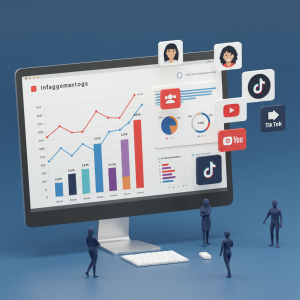
AI consolidates data across multiple platforms—Instagram, TikTok, YouTube, and others—into unified dashboards. Instead of analyzing each channel separately, marketers gain a comprehensive overview of campaign performance. AI compares metrics such as engagement rates, watch time, and click-through rates across platforms. This helps brands identify which platform delivers the best ROI for specific audience segments. Integrated analytics eliminates data silos and improves strategic decisions. AI also highlights platform-specific content adjustments for better optimization. Cross-platform visibility ensures cohesive messaging and consistent branding. With centralized data intelligence, influencer marketing becomes more measurable, transparent, and strategically aligned.
AI for Crisis Management
Influencer campaigns can sometimes face unexpected controversies. AI helps brands respond quickly through real-time monitoring and alert systems. By scanning social conversations and media coverage, AI detects negative sentiment spikes or reputational risks instantly. Early detection allows brands to pause campaigns or issue statements before issues escalate. AI also recommends crisis response strategies based on historical case studies. Sentiment trend tracking ensures brands understand the scope of potential damage. This proactive approach protects brand equity and maintains audience trust. With AI-powered crisis management, influencer marketing becomes safer and more resilient against digital backlash.
AI-Generated Virtual Influencers
Virtual influencers—AI-created digital personalities—are gaining popularity. These AI-driven characters can be fully controlled by brands, ensuring consistent messaging and brand alignment. Virtual influencers operate 24/7 without human limitations. AI enables them to generate content, interact with audiences, and even simulate realistic personalities. While still evolving, they offer brands complete creative flexibility. However, transparency remains essential to maintain trust. As augmented reality and AI technologies advance, virtual influencers may become mainstream marketing tools. They represent a futuristic blend of technology, storytelling, and brand engagement.
AI Compliance and Transparency Monitoring
Regulatory compliance is becoming increasingly important in influencer marketing. AI tools help ensure influencers properly disclose sponsored content according to advertising guidelines. By scanning captions and hashtags, AI detects missing disclosures. Compliance monitoring reduces legal risks and protects brand credibility. AI also tracks data privacy regulations, ensuring audience data is handled responsibly. As governments introduce stricter marketing laws, automated compliance systems become essential. Transparency builds consumer trust and strengthens brand reputation. AI simplifies regulatory adherence while allowing marketers to focus on creativity and performance optimization.
Actionable Takeaways for Marketers
You’ll quickly find that with a great deal of effort, but by maximizing The key advantage is that AI lets you do more with less: more knowledge and less time spent seeking it out. By integrating AI into every stage of your influencer campaigns–from discovery and planning to execution and analysis–you can get smarter, quicker and better results.
For businesses ready to explore what AI can do for their influencer strategy, it’s time to leap. Invest in the right tools, learn from the data, and redefine what your influencer marketing can achieve and beyond.
Conclusion
AI has fundamentally transformed influencer marketing from a relationship-driven approach into a data-powered performance strategy. From influencer discovery and fraud detection to campaign optimization and predictive ROI analysis, AI enhances every stage of the process. However, success depends on balancing automation with authenticity. Brands that combine AI insights with human creativity will build stronger, more meaningful collaborations. As technology evolves, influencer marketing will become more intelligent, scalable, and globally adaptable. Businesses that adopt AI early will gain a significant competitive advantage in the digital marketing landscape.
FAQs About AI in Influencer Marketing
1. What is the biggest benefit of AI in influencer marketing?
The biggest advantage of AI in influencer marketing is its ability to combine efficiency with precision. AI reduces manual effort while improving targeting accuracy, campaign performance tracking, and ROI measurement. It helps brands make data-driven decisions quickly, optimize budgets in real time, and maximize overall marketing impact without increasing operational complexity.
2. What is AI in influencer marketing?
AI in influencer marketing refers to the use of artificial intelligence technologies such as machine learning, predictive analytics, and automation tools to improve influencer discovery, audience targeting, campaign management, and ROI tracking. It transforms traditional influencer strategies into performance-focused, data-driven marketing systems.
3. How does AI improve targeting?
AI improves targeting by analyzing detailed audience data, including demographics, interests, behaviour patterns, and purchasing intent. It segments audiences into micro-groups and predicts which users are most likely to engage or convert. This ensures campaigns reach highly relevant consumers instead of broad, untargeted audiences.
4. How does AI detect fake followers?
AI detects fake followers by analyzing engagement authenticity, sudden follower growth spikes, bot-like activity patterns, and inactive accounts. Advanced algorithms compare comment quality and interaction consistency to identify suspicious behavior, helping brands avoid fraudulent influencers and protect their marketing investments.
5. What metrics does AI track?
AI tracks a wide range of performance metrics, including engagement rates, impressions, reach, click-through rates (CTR), conversions, sentiment analysis, audience growth, and ROI. It consolidates these KPIs into dashboards, allowing marketers to evaluate campaign effectiveness and make data-backed optimization decisions.
6. Can AI predict campaign success?
Yes, AI uses predictive analytics to forecast campaign outcomes before launch. By analyzing historical influencer data, niche trends, audience behaviour, and past performance metrics, AI estimates expected engagement, conversions, and ROI. This reduces uncertainty and improves strategic planning.
7. Can AI personalize influencer content?
AI helps personalize influencer content by analyzing audience preferences, previous campaign performance, and trending topics. It suggests optimized captions, posting times, and content formats that resonate with specific audience segments, increasing relevance and boosting engagement rates.
8. Is AI useful for global campaigns?
AI is extremely useful for global influencer campaigns. It supports multilingual content translation, identifies region-specific influencers, and analyzes cultural preferences. This enables brands to scale campaigns internationally while maintaining local relevance and personalized audience engagement.
9. Is AI compliant with marketing laws?
AI tools assist in monitoring advertising disclosures, sponsored content transparency, and data privacy compliance. By scanning captions and hashtags, AI can detect missing disclosures and flag regulatory risks, helping brands maintain legal compliance and consumer trust.
10. Are virtual influencers AI-generated?
Yes, virtual influencers are AI-generated digital personalities created using advanced graphics, machine learning, and animation technologies. They can produce content, interact with audiences, and promote brands while being fully controlled by companies for consistent messaging and brand alignment.
11. Does AI replace influencers?
No, AI does not replace influencers. Instead, it enhances their effectiveness by providing data insights, performance analytics, and content optimization suggestions. Human creativity, authenticity, and storytelling remain essential components of successful influencer marketing campaigns.
12. Is AI expensive for small businesses?
AI is becoming increasingly accessible for small businesses. Many influencer marketing platforms offer affordable subscription plans with built-in AI features. Startups can leverage these tools to compete effectively, optimize limited budgets, and achieve measurable results without large marketing teams.