Beginner’s Affiliate Marketing Terminology Guide to Master the Basics
This comprehensive resource breaks down the essential vocabulary you need to thrive as a digital publisher. We cover everything from foundational roles and link tracking mechanics to advanced financial metrics and payment models. By the end of this guide, you will understand how to evaluate offers, avoid common beginner pitfalls, and apply expert strategies to scale your affiliate income effectively.
Stepping into the digital marketing space feels like learning a brand-new language. You hear acronyms like CPA, EPC, and RevShare thrown around, leaving you wondering how they all fit together. You are not alone. Building a profitable online income stream starts with understanding the language of the industry, and that’s where this Affiliate Marketing Terminology Guide becomes essential. This Affiliate Marketing Terminology Guide will decode the jargon, giving you the clarity and confidence to build successful campaigns, partner with top brands, and maximize your earning potential.
If you’re just starting, having a thorough Affiliate Marketing Terminology Guide is a game-changer. With this guide, you can avoid confusion and focus on what matters—implementing strategies that grow your affiliate revenue. The Affiliate Marketing Terminology Guide is designed to clear up common misconceptions and provide simple explanations of complex concepts.
As you dive deeper, the Affiliate Marketing Terminology Guide will serve as your reference point for everything from basic definitions to advanced strategies. Whenever you encounter uncertainty, return to the Affiliate Marketing Terminology Guide to reinforce your knowledge.
Many beginner marketers overlook the importance of a detailed Affiliate Marketing Terminology Guide. They jump in without fully understanding the terms, leaving money on the table. This Affiliate Marketing Terminology Guide flips the script—arming you with a competitive advantage right from the start.
Whether you’re researching networks, setting up links, or comparing payout models, the Affiliate Marketing Terminology Guide simplifies the process. It answers the frequent questions affiliates have and makes the onboarding journey less daunting. Each time you review or share the Affiliate Marketing Terminology Guide, you’re building your expertise while helping others navigate the industry.
Finally, treat this Affiliate Marketing Terminology Guide as your industry companion. Make it your go-to tool for quick answers, decision-making, and refining your campaigns. Mastering the content in this Affiliate Marketing Terminology Guide ensures that you are prepared not just to start, but to excel in affiliate marketing.
The Core Foundation: Who’s in the Industry

Before you launch your first campaign, you need to understand the key players involved in the ecosystem.
The Advertiser (Merchant or Brand)
The advertiser is the company or individual who creates the product or service. They handle inventory, customer service, and product delivery. By starting an affiliate program, advertisers tap into a wider audience without spending upfront on traditional advertising.
The Publisher (Affiliate Marketer)
That is you. The publisher promotes the advertiser’s products to an audience. You use blogs, social media, email lists, or paid ads to drive traffic. When someone purchases your recommendation, you earn a commission.
The Consumer
The consumer is the person who clicks your link and buys the product. Without the consumer, there is no revenue. Modern consumers value authentic recommendations, making trust and transparency critical for your success.
The Affiliate Network
An affiliate network acts as a middleman between advertisers and publishers. Platforms like ClickBank, ShareASale, and CJ Affiliate fall into this category. They provide the tracking technology, handle payments, and offer a marketplace where you can find products to promote.
Tracking and Links: How You Get Paid
If you cannot track a click, you cannot get paid. Understanding the mechanics of tracking is non-negotiable.
Affiliate Link
An affiliate link is a unique URL assigned to you by the merchant or network. It contains a specific identification code. When a user clicks this link, the system logs the activity, ensuring you receive credit for any resulting sales.
Cookies and Cookie Duration
A cookie is a small piece of data stored in a user’s web browser after they click your link. It tells the merchant that you referred the customer. Cookie duration (or cookie life) is the amount of time the cookie remains active. For example, if a program offers a 30-day cookie, you will earn a commission if the user buys the product within 30 days of clicking your link.
First-Click vs. Last-Click Attribution
Attribution determines who gets credit for a sale when multiple affiliates are involved.
- First-Click Attribution: The first affiliate whose link the consumer clicks gets 100% of the commission.
- Last-Click Attribution: The last affiliate whose link is clicked right before the purchase gets the credit. Most programs use last-click attribution.
Postback URL and Pixels
A pixel is a small piece of tracking code placed on a confirmation page to track conversions. A postback URL (or server-to-server tracking) is a more advanced tracking method that communicates directly between the merchant’s server and the affiliate network, bypassing browser cookies altogether. This is highly accurate and immune to ad blockers.
Financial Metrics and Payment Models
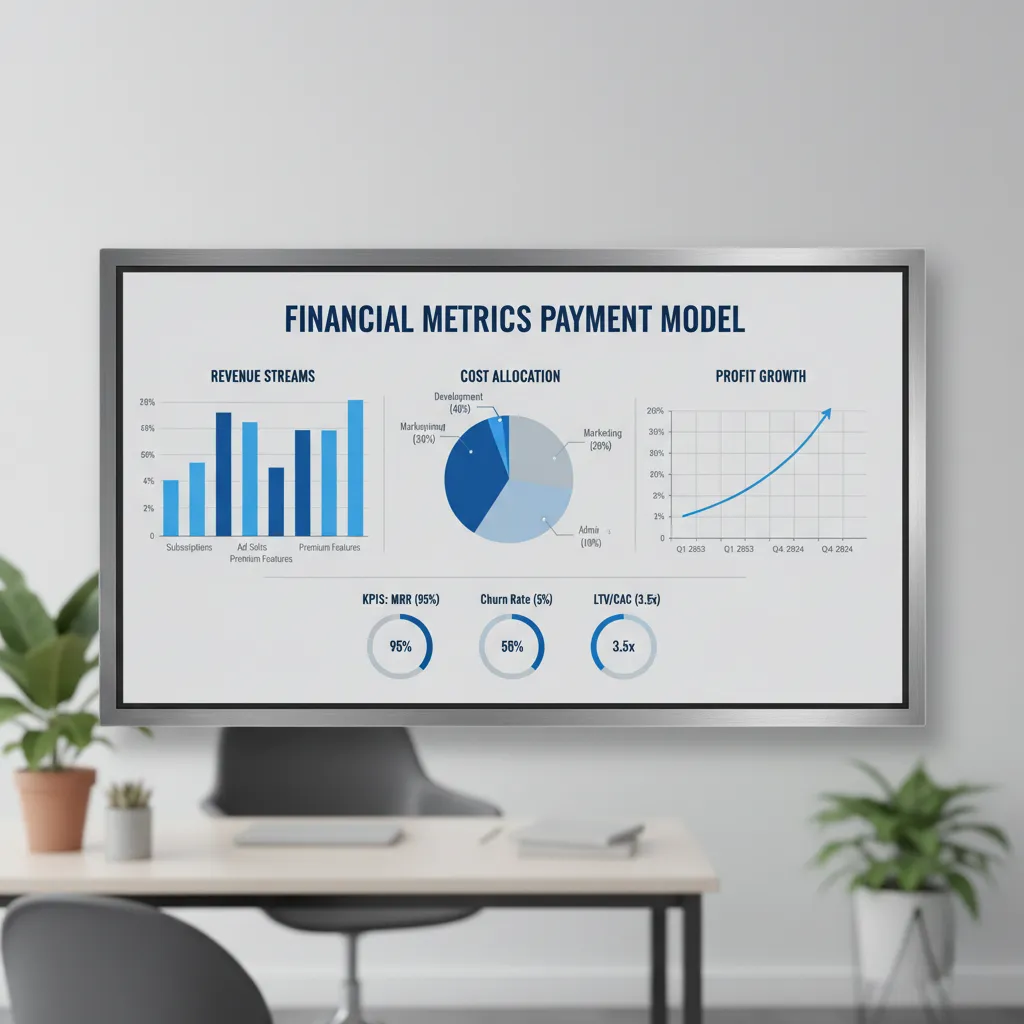
To evaluate whether an offer is worth your time, you must understand the numbers.
Cost Per Action (CPA)
CPA is a payment model where you earn a flat fee for a specific action. This action could be a sale, an email sign-up, or a form submission. It is highly predictable, making it a favorite for paid media buyers.
Revenue Share (RevShare)
In a RevShare model, you earn a percentage of the total sale price. If a product costs $100 and your commission rate is 50%, you earn $50. This model is lucrative for high-ticket items and subscription products where you earn recurring commissions.
Earnings Per Click (EPC)
EPC reveals the average amount of money you earn for every 100 clicks you send to an offer. Network platforms calculate this by dividing your total earnings by the number of clicks. A high EPC indicates a highly converting landing page.
Average Order Value (AOV)
AOV tracks the average dollar amount a customer spends each time an order is placed. Upsells, cross-sells, and product bundles increase the AOV, which in turn increases your total commission on RevShare offers.
Customer Lifetime Value (LTV)
LTV measures the total revenue a business can reasonably expect from a single customer account throughout their relationship. Programs with a high LTV often pay higher upfront commissions because they know the customer will buy again in the future.
Commission Model Comparison Table
|
Feature |
Cost Per Action (CPA) |
Revenue Share (RevShare) |
Cost Per Click (CPC) |
|---|---|---|---|
|
Payment Basis |
Flat fee per specific action (sale/lead) |
Percentage of the total sale |
Flat fee per ad click |
|
Risk Level |
Low (Refunds usually do not affect you) |
Medium (Chargebacks can reduce pay) |
Very Low (Paid purely for traffic) |
|
Best For |
Paid ad buyers, lead generation |
Niche blogs, high-ticket products |
Display networks, massive traffic |
|
Income Potential |
Steady and predictable |
Highly scalable, recurring potential |
Lower per-interaction payout |
Performance and Conversion Metrics
Tracking your performance helps you optimize your content and increase your income.
Click-Through Rate (CTR)
CTR measures the percentage of people who click your link after viewing your content. If 1,000 people read your blog post and 50 click the link, your CTR is 5%. Improving your call-to-action (CTA) will boost your CTR.
Conversion Rate (CR)
The conversion rate is the percentage of visitors who complete the desired action after clicking your link. If you send 100 people to a sales page and 3 of them buy, the conversion rate is 3%.
Return on Investment (ROI)
ROI calculates the profitability of your campaigns. If you spend $100 on website hosting and ads, and you earn $500 in commissions, your ROI is extremely positive.
Return on Ad Spend (ROAS)
ROAS is specific to paid advertising. It measures how much revenue you earn for every dollar spent on ads. If you spend $100 on Facebook ads and make $300, your ROAS is 3:1.
Promotional Assets and Marketing Strategies

Understanding how to present your offers is just as important as the offers themselves.
Landing Page
A landing page is a standalone web page created specifically for a marketing campaign. It is where a visitor “lands” after they click on a link. The goal of a landing page is usually to capture an email address or drive a sale.
Bridge Page
A bridge page acts as a middle step between your traffic source and the merchant’s sales page. Instead of linking directly to an offer, you send users to your bridge page first. Here, you can pre-sell the product, share a personal story, or offer a bonus before forwarding them to the final offer.
Lead Magnet
A lead magnet is a free item or service given away to gather contact details. You might offer a free checklist, an ebook, or a video tutorial. Once you capture their email, you can send them a series of emails promoting various offers.
Video Sales Letter (VSL)
A VSL is a video designed to sell a product or service. Instead of a long, text-heavy page, the vendor uses a persuasive video to pitch the offer. VSLs are highly engaging and often result in excellent conversion rates.
Common Mistakes to Avoid
Even seasoned marketers make errors. Keep these pitfalls in mind to protect your revenue.
- Ignoring Cookie Expiration: Promoting a product with a 24-hour cookie duration means you lose commissions if the buyer waits a few days to decide. Always check the terms.
- Overlooking the EPC: Promoting a product solely because of a high commission rate is a trap. If the landing page does not convert, your EPC will be zero. Always analyze the EPC before committing traffic.
- Forgetting Disclosures: The Federal Trade Commission (FTC) requires you to disclose your partnerships. Failing to state that you earn a commission can result in heavy fines and a loss of trust from your audience. You can learn more about FTC disclosure rules online to stay compliant.
- Relying on a Single Traffic Source: Algorithms change constantly. If you rely entirely on one social media platform or search engine, an update could wipe out your income overnight. Diversify your traffic across search, email, and social.
Pro Tips & Expert Insights
Ready to elevate your game? Apply these expert-level strategies to your campaigns.
- Analyze the Backend: Some of the most profitable campaigns rely on the backend. Does the merchant offer one-click upsells (OTO) or down-sells? A strong backend funnel dramatically increases your average payout.
- Build an Email List First: Do not send all your traffic directly to the vendor. Send them to your own landing page first. Capture the lead, and then forward them to the offer. The money is in the list.
- Segment Your Audience: Top-tier marketers segment their subscribers based on behavior. If someone clicks a link about dog training, tag them. You can then send them highly targeted pet products later, boosting your conversion rates.
- Negotiate Better Rates: Once you prove you can send consistent, high-quality traffic, reach out to the affiliate manager. Ask for a private commission bump. Most managers will happily increase your rate to keep you promoting their brand.
Conclusion
Mastering the vocabulary of the digital marketing world is your first step toward building a sustainable, profitable online business. With this Affiliate Marketing Terminology Guide in your arsenal, you can confidently analyze metrics, choose high-converting offers, and implement strategies that actually drive results. Bookmark this page, review the terms regularly, and start applying these concepts to your campaigns today to watch your passive income grow.
FAQs
1. What is an affiliate network?
An affiliate network is a platform that connects publishers with advertisers. It provides tracking links, handles the reporting, and pays out commissions, acting as a secure middleman for both parties.
2. How does cookie tracking work?
When a user clicks your tracking link, a small text file (cookie) drops into their web browser. If they make a purchase on the merchant’s site before the cookie expires, the system attributes the sale to your account.
3. What is the difference between CPA and RevShare?
CPA (Cost Per Action) pays a flat, fixed fee when a user completes a specific action, like buying a product or filling out a form. RevShare pays a percentage of the total cart value.
4. Why is EPC so important?
Earnings Per Click (EPC) shows you the true value of an offer. It tells you exactly how much money you make, on average, for every click you send. A high EPC means the sales page is highly effective at converting visitors into buyers.
5. Do I need a website to start?
While having a website gives you the most control over your business, it is not strictly necessary. You can promote links through social media platforms, YouTube, or email newsletters. However, a website builds long-term authority.
6. What is a bridge page?
A bridge page is an intermediate web page that warms up your traffic before sending them to the merchant’s sales page. It often includes your personal review or a bonus offer, which significantly increases the likelihood of a purchase.
7. How do I know if an offer is good?
Look at the network statistics. Check the EPC, the average conversion rate, and the refund rate. Additionally, review the vendor’s landing page yourself. If it looks spammy or outdated to you, your audience will likely feel the same way.
8. What does LTV mean and why should I care?
Customer Lifetime Value (LTV) is the total amount of money a customer is expected to spend with a brand over time. Promoting brands with a high LTV often means they can afford to pay you a higher upfront commission.
9. Are link disclosures mandatory?
Yes. To maintain transparency and comply with FTC guidelines, you must clearly state that you earn a commission if users buy through your links. Place this disclosure where it is easily visible to the reader.
10. What is a conversion rate in this context?
Your conversion rate is the percentage of users who take the desired action (like buying the product) out of the total number of users who clicked your link. Improving your copy and targeting the right audience helps increase this number.