Unlocking the Power of AR & VR Influencer Marketing: Immersive Strategies for Brand Engagement
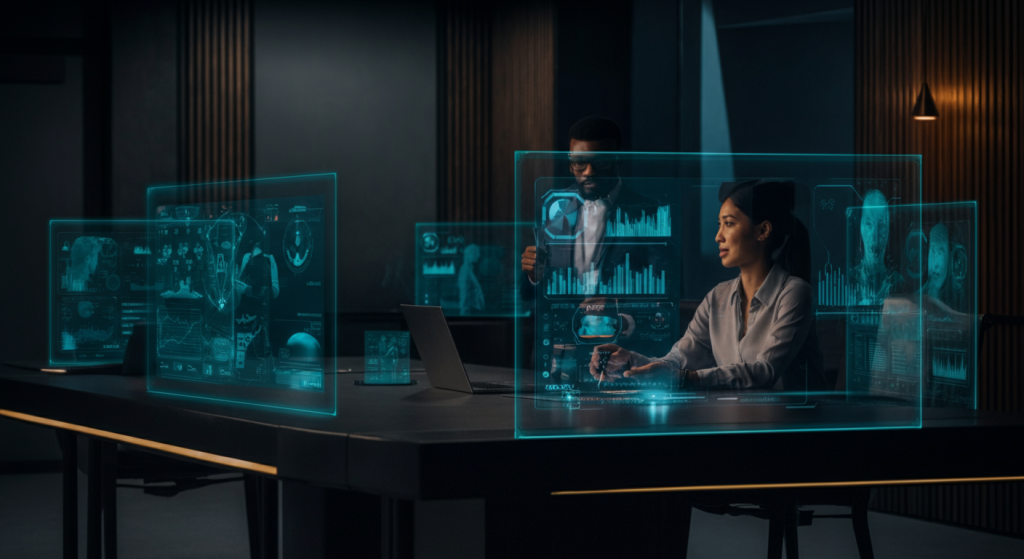
AR and VR influencer marketing transforms passive audiences into active participants through immersive, interactive experiences. By selecting the right creators, leveraging AR/VR tools, tracking engagement, and following best practices, brands can boost awareness, loyalty, and conversions while staying ahead in digital innovation.
As consumer expectations evolve, brands must craft ever more engaging experiences to stand out. Augmented Reality (AR) and Virtual Reality (VR) offer unprecedented opportunities for immersive storytelling. When combined with influencer marketing—the trusted voice, authentic connection, and massive reach of creators—AR and VR can transform passive audiences into active participants.
Understanding AR & VR Influencer Marketing
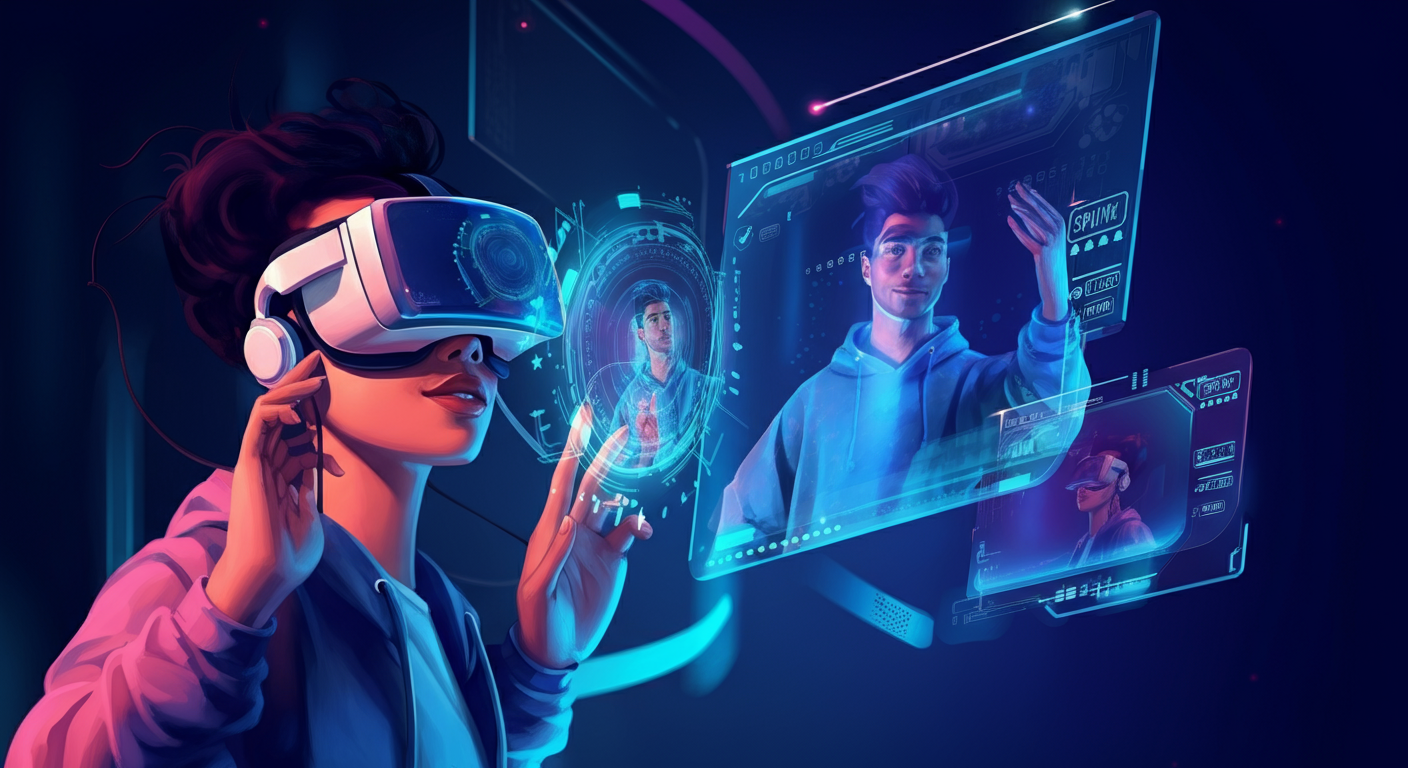
AR and VR allow influencers to let audiences virtually try products—such as clothing, accessories, or makeup—before purchase. This interactive experience increases confidence and can reduce returns.
Immersive Storytelling:
VR enables influencers to create entire branded worlds or narrative experiences. Fans can explore these spaces, interact with content, and form stronger emotional connections with the brand.
Gamification Opportunities:
Brands can integrate challenges, quests, or reward systems within AR/VR experiences. Influencers guide users through these gamified interactions, making campaigns more engaging and shareable.
Data-Driven Insights:
AR/VR campaigns can track user interactions, dwell time, and engagement points. Influencers can share insights to optimize content and improve future immersive campaigns.
Social Media Integration:
AR filters on platforms like Instagram or Snapchat let users share branded experiences with their network, amplifying reach through influencer-led campaigns.
Collaborative Content Creation:
Influencers often co-create AR/VR content with brands, bringing authentic creativity and audience understanding that ensures experiences feel natural, not forced.
Trend Alignment:
AR and VR influencer marketing positions brands at the forefront of tech-driven engagement, appealing to younger, digitally savvy audiences who value innovation and interactivity.
Cross-Platform Experiences:
Campaigns can span mobile AR apps, VR headsets, and social media, providing multiple touchpoints for audiences and reinforcing brand presence. Learn more about Free Influencer Marketing Agreement Template.
Key Benefits of AR & VR Influencer Campaigns
- Enhanced Engagement: Immersive experiences increase time spent interacting with your brand, boosting recall and affinity.
- Novelty & Shareability: Cutting-edge AR/VR content sparks excitement and social sharing, amplifying reach organically.
- Deeper Storytelling: Immersion allows richer narratives, showcasing product features and brand values in context.
- Data & Insights: Interactive elements capture real-time behavioral data for refined targeting and ROI measurement.
Identifying the Right AR & VR Influencers
Not all influencers have AR/VR expertise. Seek creators who:
- Check Portfolio Depth:
Review past AR/VR projects to ensure quality and creativity. Look for influencers who can craft engaging, interactive experiences rather than just post static content. - Evaluate Audience Fit:
Analyze their followers’ demographics and interests to ensure alignment with your target market. Immersive experiences work best when the audience is tech-savvy and receptive to AR/VR content. - Engagement Beyond Likes:
Focus on metrics like time spent interacting with AR filters, shares of VR experiences, and comments reflecting genuine interest. High interaction indicates the influencer can drive meaningful engagement. - Technical Collaboration Skills:
AR/VR campaigns often require integration with brand apps, platforms, or 3D assets. Influencers who understand these workflows reduce friction and produce smoother campaigns. - Innovation and Trend Awareness:
Seek creators who stay on top of emerging AR/VR trends and new platform features, ensuring your campaign leverages the latest tools and reaches audiences in novel ways. - Cross-Platform Presence:
Influencers active across multiple platforms can help amplify your immersive content, adapting AR/VR experiences for Instagram, TikTok, Snap, and VR communities. - Authenticity & Storytelling:
AR/VR experiences must feel natural, not forced. Choose influencers who can seamlessly integrate your brand into interactive narratives that resonate emotionally with their audience. - Collaborative Potential:
Look for creators open to co-developing experiences with your team, allowing for a blend of brand vision and influencer creativity for maximum impact.
Crafting an Immersive Campaign Strategy

A successful AR/VR influencer campaign begins with clear objectives and a roadmap:
- Define Goals: Awareness, consideration, or conversion? Select KPIs like filter uses, session duration, or clicks to purchase.
- Choose the Format: AR try-ons, location-based filters, 360° video experiences, or branded VR mini-games. Match the format to objectives.
- Design User Journeys: Map each touchpoint from discovery (influencer post) to action (app download, in-store visit, direct purchase).
- Develop Creative Briefs: Detail brand guidelines, technical specs, key messages, content deliverables, and legal requirements.
- Budget & Timeline: Account for development costs (AR/VR assets), influencer fees, platform ad spend, and testing periods.
Production & Collaboration Workflow
Smooth collaboration between your team, developers, and influencers ensures on-time, on-brand results.
- Project Timeline & Milestones:
Set clear deadlines for each stage of the campaign—from concept approval to final QA—to ensure everyone is aligned and resources are efficiently allocated. - Role Assignments:
Define responsibilities for developers, designers, social managers, and influencers. Clarify who handles asset creation, testing, analytics, and promotion to avoid miscommunication. - Feedback Loops:
Implement structured review cycles during content creation and testing. Regular feedback ensures the AR/VR experience aligns with both brand guidelines and influencer style. - Device & Platform Optimization:
Test experiences on a variety of devices, including smartphones, tablets, VR headsets, and different OS versions, to ensure smooth performance for all users. - Content Adaptation:
Tailor AR/VR content for different channels. For example, adjust AR filters for Instagram Stories, TikTok, or Snapchat, and VR experiences for social hubs or standalone apps. - Influencer Training & Support:
Provide influencers with guidelines, tips, or tutorials on using or demonstrating AR/VR experiences effectively to maximize audience engagement. - Analytics & Tracking Setup:
Integrate tracking tools and KPIs during development to measure interactions, dwell time, shares, and conversions once the content is live. - Post-Launch Optimization:
Monitor performance metrics in real time and make quick adjustments to improve experience, fix issues, or enhance promotion for better engagement. - Documentation & Knowledge Sharing:
Keep records of workflows, technical requirements, and lessons learned to streamline future AR/VR campaigns and improve team efficiency.
Measuring Campaign Success
Track both immersive engagement metrics and traditional influencer KPIs:
- Influencer-Specific Engagement:
Track how each influencer’s audience interacts with AR/VR content. Compare metrics across creators to understand which style or approach drives higher engagement. - Retention & Repeat Usage:
Measure how often users return to interact with AR filters or VR experiences. High repeat engagement indicates compelling, memorable content. - Completion & Drop-Off Points:
Analyze where users exit the experience to identify friction points or technical issues that may reduce effectiveness. - Cross-Channel Performance:
Evaluate performance across platforms—Instagram, TikTok, Snapchat, and VR hubs—to see where immersive content resonates best. - Referral & User-Generated Content (UGC):
Monitor shares, duets, or reposts generated by users. UGC amplifies reach organically and validates the influencer campaign. - Click-Through Attribution:
Track clicks from immersive content to landing pages, e-commerce sites, or downloads to measure the direct impact on conversions. - Influencer ROI:
Compare costs of AR/VR influencer campaigns with engagement, conversions, and brand awareness metrics to evaluate campaign efficiency. - Audience Demographics & Behavior Insights:
Use analytics to understand the profile of users interacting with immersive content, helping refine future campaigns and influencer selection. - Post-Campaign Feedback Surveys:
Collect qualitative insights from participants about experience enjoyment, clarity, and brand alignment to complement quantitative metrics. - Benchmark Against Previous Campaigns:
Compare immersive campaign metrics with past influencer campaigns to measure growth in engagement, conversions, or sentiment shifts.
Top Tools & Platforms
Equip your team with leading AR/VR toolkits:
- Spark AR Studio (Facebook & Instagram AR effects)
- Snap Lens Studio (Snapchat AR filters)
- TikTok Effect House (TikTok AR experiences)
- Unity & Unreal Engine (VR worlds & 360° experiences)
- VeeR, WaveXR (social VR events)
- Influencer platforms with AR/VR analytics: Upfluence, Traackr, CreatorIQ
Real-World Case Studies
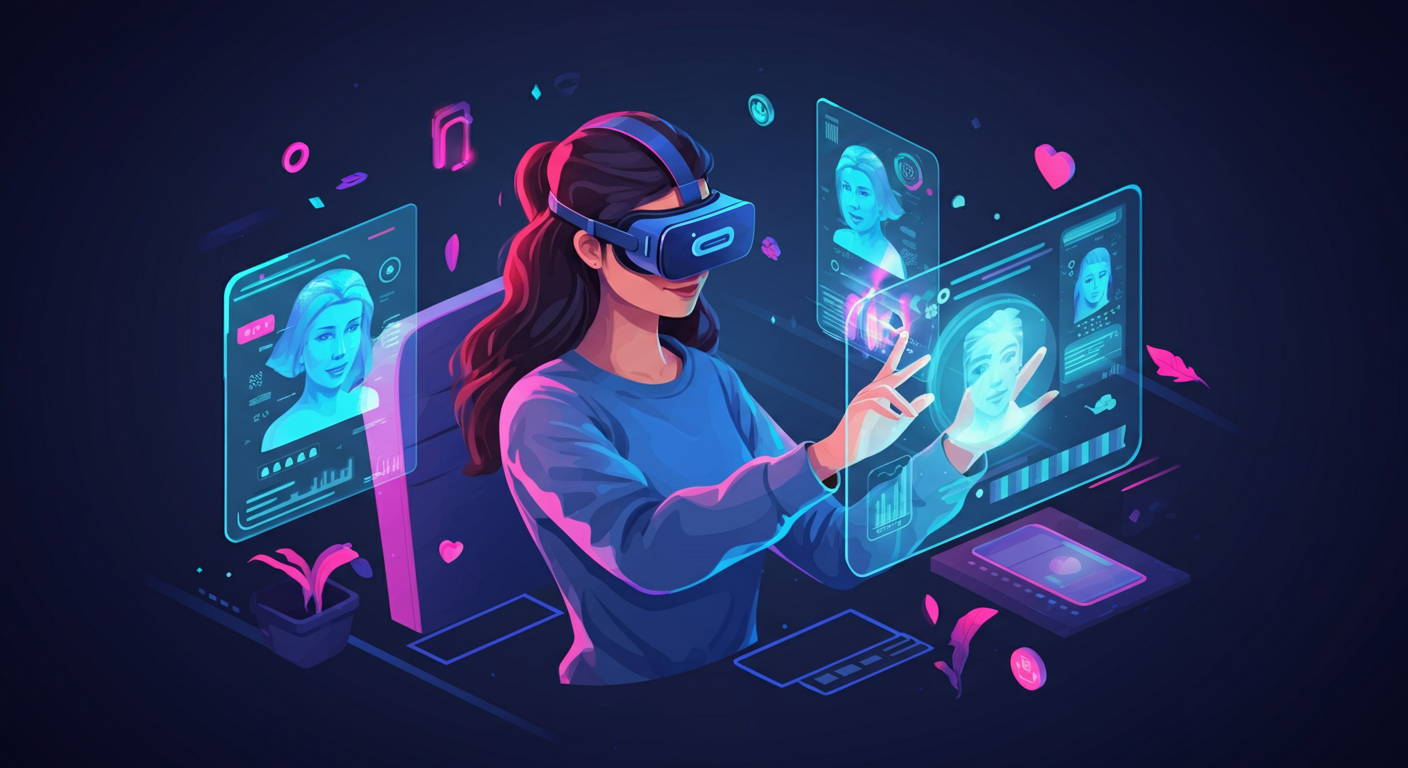
Brands are already pioneering immersive influencer collaborations:
- Beauty Try-Ons: A cosmetics brand teamed with TikTok creators to launch AR lipstick filters. Influencers demonstrated live application, generating 5M activations and a 30% lift in online sales.
- Virtual Concerts: A music festival partnered with VR influencers to host backstage VR tours. Attendees bought virtual merch and tickets to a sold-out physical event.
- Gaming Gear Showcase: A hardware company co-created a branded VR arena with gaming influencers, leading to a 40% increase in pre-orders.
Best Practices & Pitfalls to Avoid
- Set Clear Objectives:
Define campaign goals upfront—whether it’s driving awareness, engagement, conversions, or community building—to guide content design and influencer strategy. - Test Across Devices & Platforms:
AR/VR experiences can behave differently depending on hardware. Test on multiple smartphones, tablets, and VR headsets to ensure consistency and prevent user frustration. - Balance Innovation with Usability:
While novelty attracts attention, overly complex experiences may confuse users. Keep navigation intuitive and interactions straightforward. - Monitor Data Privacy Compliance:
Ensure that all user data collected during AR/VR experiences complies with GDPR, CCPA, or other relevant privacy regulations. Clearly communicate this to participants. - Measure ROI Early:
Track key performance indicators (KPIs) during pilot tests to quickly identify what drives value and what does not, allowing for agile adjustments. - Avoid Over-Promotion:
Focus on user experience first. AR/VR content that feels overly commercial or pushy can reduce engagement and damage brand credibility. - Leverage Micro-Influencers for Testing:
Small, niche influencers often provide highly engaged audiences. Their feedback can reveal insights missed in larger-scale campaigns. - Plan for Scalability:
Ensure the infrastructure can handle increased traffic if the experience goes viral. Prepare content, server capacity, and support resources in advance. - Encourage Feedback Loops:
Allow users to rate experiences, submit suggestions, or report issues. This helps improve future campaigns and strengthens community trust. - Document Lessons Learned:
Keep detailed notes on technical challenges, influencer collaboration, and user feedback to streamline future AR/VR campaigns and avoid repeating mistakes.
The Future of Immersive Influencer Marketing
Personalized Immersive Experiences:
Future campaigns will allow influencers to deliver hyper-personalized AR/VR content based on user preferences, past interactions, and behavioral data, creating highly tailored engagement.
Seamless Omnichannel Integration:
Expect AR/VR campaigns to merge physical retail, e-commerce, and social media. Users might try products virtually, then purchase online or interact with a pop-up store in real time.
Interactive Live Streaming:
Influencers will host live AR/VR events where viewers can participate, vote, or manipulate virtual elements, fostering real-time engagement and stronger community connections.
Co-Created Virtual Worlds:
Brands and influencers may build entire metaverse experiences, letting users explore branded spaces, attend events, or engage with gamified content for rewards.
AI-Enhanced AR/VR Content:
Artificial intelligence will help generate dynamic environments, responsive avatars, and adaptive storytelling, enabling influencers to scale personalized experiences efficiently.
Cross-Platform Monetization:
Influencers and brands can leverage virtual goods, NFTs, and subscription-based AR/VR content, creating new revenue streams alongside traditional sponsorships.
Enhanced Analytics and Insights:
Advanced tracking of gaze, interaction, and movement within immersive experiences will provide unprecedented data to optimize campaigns and measure ROI accurately.
Ethical and Inclusive Design:
Future immersive marketing will need to consider accessibility, diversity, and ethical engagement to ensure all users can participate safely and meaningfully.
Early Adopter Advantage:
Brands experimenting now with immersive influencer marketing will build expertise, audience trust, and innovation credibility, positioning themselves ahead of competitors in a rapidly evolving landscape.
Conclusion
AR and VR influencer marketing unlock new dimensions of engagement, transforming passive audiences into active participants. By partnering with the right creators, leveraging cutting-edge tools, and measuring immersive and traditional KPIs, brands can craft unforgettable experiences that drive awareness, loyalty, and sales. Embrace the immersive frontier today and let your next campaign transport consumers beyond the screen.
Ready to dive in? Start identifying AR/VR-savvy influencers, outline your immersive concept, and test small before scaling. The future of influencer marketing is immersive—make sure your brand isn’t left behind.
FAQ: AR & VR Influencer Marketing
1. What is AR & VR influencer marketing?
It’s a strategy where influencers use augmented or virtual reality to create immersive experiences, allowing audiences to interact with products, try-ons, or virtual environments, enhancing engagement and brand connection.
2. Why use AR/VR for influencer campaigns?
AR/VR increases engagement, shareability, and storytelling depth while capturing data insights. Immersive experiences create memorable interactions, improve conversions, and position brands as innovative leaders.
3. How do I choose the right AR/VR influencers?
Look for creators with experience in AR filters, VR worlds, or 3D content, strong engagement rates, tech expertise, cross-platform presence, authentic storytelling, and alignment with your brand values.
4. What types of AR/VR campaigns work best?
Popular formats include virtual try-ons, location-based AR filters, 360° videos, branded VR mini-games, gamified experiences, and interactive live events hosted by influencers.
5. How do I plan and produce AR/VR campaigns?
Set clear goals, define KPIs, map user journeys, develop creative briefs, assign roles, co-create content, conduct testing, optimize across devices, and monitor analytics post-launch.
6. Which tools are used for AR/VR influencer marketing?
Common tools include Spark AR Studio, Snap Lens Studio, TikTok Effect House, Unity & Unreal Engine for VR worlds, VeeR/WaveXR for VR events, and influencer platforms like Upfluence or CreatorIQ.
7. How do I measure campaign success?
Track immersive interactions (filter activations, session length), social metrics (reach, shares, hashtags), conversions (app installs, purchases), influencer ROI, repeat usage, user sentiment, and cross-platform engagement.
8. What are best practices to avoid pitfalls?
Emphasize user value, optimize performance, ensure accessibility, maintain transparency, test across devices, balance innovation with usability, comply with privacy laws, iterate quickly, and document lessons learned.
9. What’s the future of AR/VR influencer marketing?
Expect hyper-personalized experiences, live immersive events, co-created virtual worlds, AI-enhanced content, cross-platform monetization, advanced analytics, and ethical, inclusive design. Early adopters gain competitive advantage in engagement and innovation.
10. How should brands start?
Identify AR/VR-savvy influencers, outline immersive concepts, pilot small-scale campaigns, measure KPIs, iterate, and scale strategically to create impactful, memorable experiences.