Mastering Influencer Marketing: Using Macro, Micro & Nano Influencers for Growth

A multi-tier influencer strategy combines macro, micro, and nano influencers to balance reach, engagement, and authenticity. By strategically allocating budgets, leveraging co-created content, and tracking tier-specific metrics, brands maximize visibility, credibility, and conversions across diverse audience segments.
In today’s hyper-connected social media ecosystem, a one-size-fits-all influencer approach no longer cuts it. Brands need a multi-tier strategy that blends the massive reach of macro influencers with the intimate engagement of micro and nano influencers to achieve both scale and authenticity. This guide delves into why combining these tiers is crucial, how to allocate resources effectively, and detailed best practices for each influencer category. By mastering the influencer marketing mix, you’ll unlock unmatched brand visibility, foster genuine audience connections, and drive conversions that align with your business goals.
Understanding Influencer Tiers
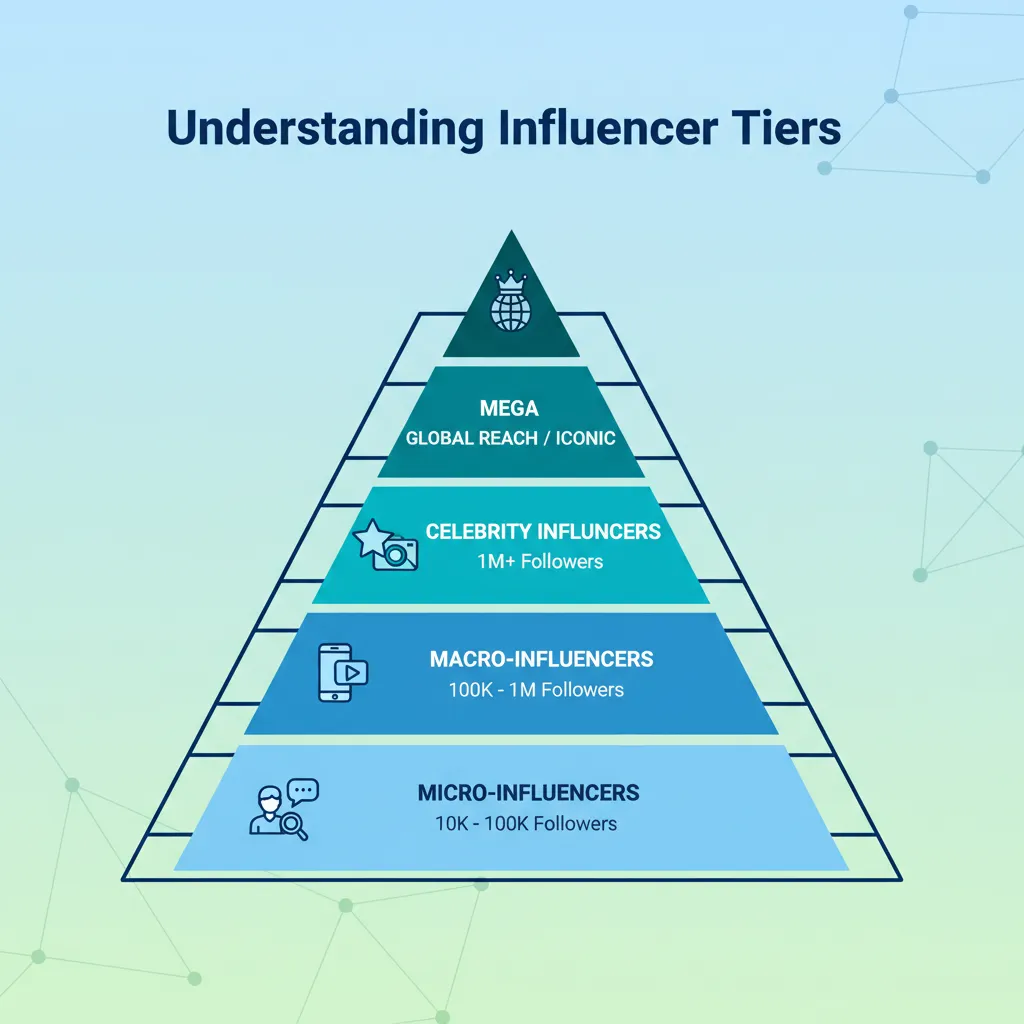
Macro Influencers (100K to 1M+ Followers)
Macro influencers are seasoned content creators with large fan bases across one or more platforms. Their polished visuals, professional collaborations, and extensive reach make them ideal for brand awareness campaigns. They often command premium fees, but their endorsement can skyrocket product visibility overnight. Typical content formats include sponsored Instagram posts, YouTube reviews, and keynote appearances at virtual or live events.
Additionally, macro influencers often have established credibility within their niche, making their opinions highly trusted by followers. They frequently collaborate with other high-profile creators and brands, enabling cross-promotional opportunities that amplify reach. Many macro influencers maintain a consistent posting schedule and employ professional photography, videography, and editing teams to ensure content quality remains high. Their analytics capabilities often allow brands to monitor engagement, audience demographics, and campaign ROI accurately. Moreover, macro influencers are adept at participating in large-scale marketing initiatives such as product launches, brand takeovers, and virtual summits, where their influence can generate significant buzz and media coverage. Leveraging macro influencers strategically can accelerate brand recognition, attract new customers, and position a company as an industry leader in its sector. Learn more about The Rise of Virtual Influencers.
Micro Influencers (10K to 100K Followers)
Micro influencers maintain close-knit communities around niche interests like vegan beauty, indie gaming, or sustainable fashion. These creators produce high-quality, authentic content and boast engagement rates up to 4–8%, significantly higher than their macro counterparts. Partnering with micro influencers can boost audience trust and drive meaningful interactions, such as detailed product tutorials, Q&A sessions, and targeted giveaway campaigns.
In addition, micro influencers are often perceived as more relatable and approachable than larger influencers, which fosters stronger connections with their audiences. Their niche focus allows brands to target highly specific segments with tailored messaging, improving conversion rates and campaign efficiency. Many micro influencers actively engage with followers by responding to comments, hosting live streams, and creating interactive polls, which deepens community engagement and provides real-time feedback for brands. They are typically more flexible in terms of collaboration, offering a mix of paid posts, product gifting, and affiliate partnerships, which makes campaigns cost-effective while maintaining authenticity. Furthermore, micro influencers often serve as trendsetters within their communities, giving brands early access to emerging conversations, content formats, and audience preferences that can inform broader marketing strategies.
Nano Influencers (1K to 10K Followers)
Nano influencers might be everyday enthusiasts or hyperlocal figures with limited but passionately engaged followers. Their strength lies in authenticity. Brands can leverage nano influencers for grassroots campaigns—think local coffee shop openings, community-driven product trials, or employee advocacy initiatives. Nano partnerships are cost-effective, often involving free products or modest honoraria, yet they yield high conversion rates through personal recommendations.
In addition, nano influencers excel at creating highly personalized content that resonates deeply with their audience. Their smaller followings allow for direct interactions through comments, messages, and live sessions, fostering strong trust and loyalty. Because their communities are tightly knit, even a single recommendation can significantly influence purchasing decisions. Brands benefit from the agility and flexibility of working with nano influencers—they can quickly launch hyper-targeted campaigns, test new products, or promote limited-time offers with minimal risk and cost. Nano influencers also provide valuable grassroots insights into local trends, preferences, and community sentiment, helping brands adapt strategies for hyperlocal marketing efforts. Despite their modest reach, the compounded effect of multiple nano influencer partnerships can create substantial buzz and word-of-mouth promotion, often outperforming more expensive campaigns in terms of engagement and conversions.
Benefits of a Multi-Tier Strategy
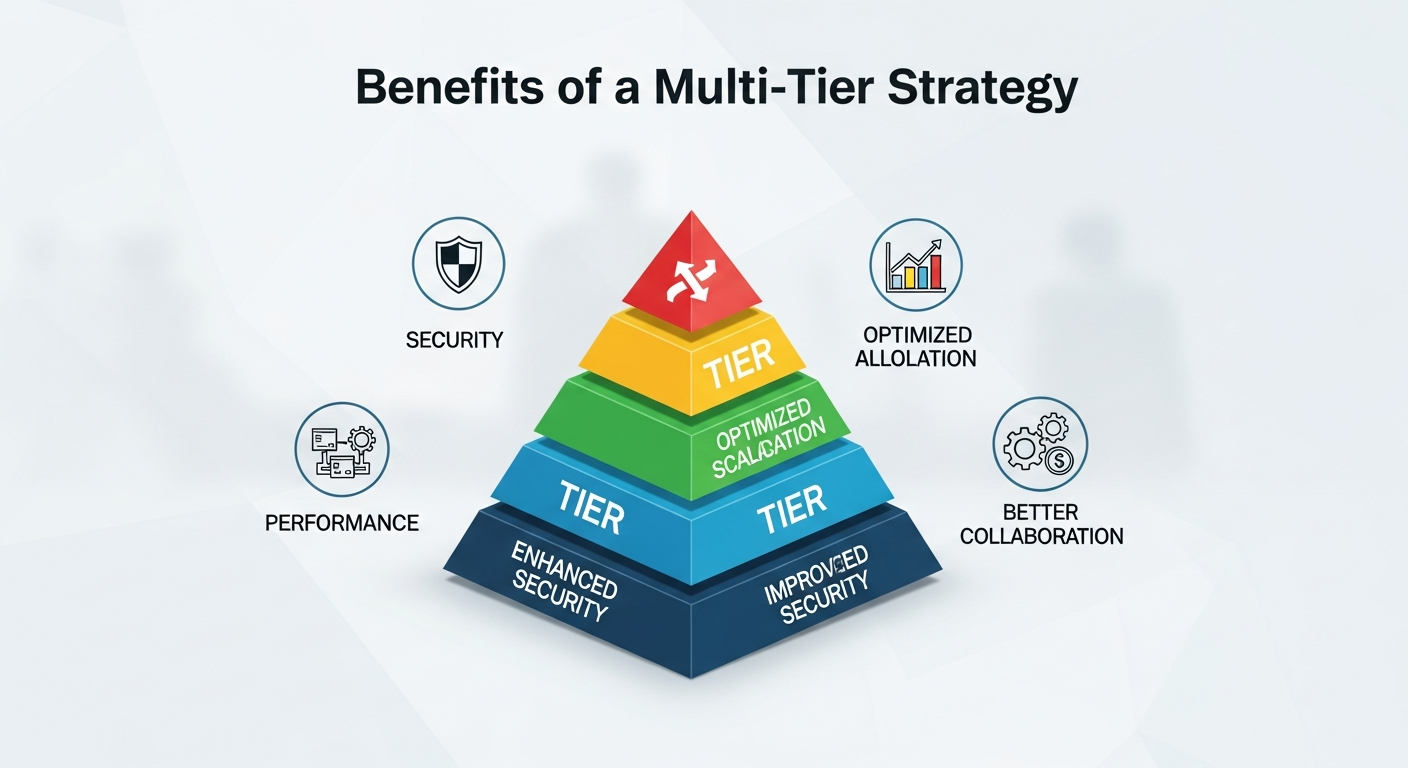
Integrating multiple influencer tiers delivers a spectrum of advantages that single-tier campaigns can’t match:
- Scalable Brand Awareness: Macro influencers place your brand on the global map, ensuring immediate exposure across diverse audience segments.
- Targeted Engagement: Micro influencers connect with niche communities, generating authentic conversations around specific product features or use cases.
- Cost Efficiency: Nano influencers require minimal investment—often limited to free samples or small stipends—making them perfect for sustained, low-cost campaigns.
- Enhanced Credibility: Cross-tier endorsements create a ripple effect, reinforcing your brand message through multiple trusted voices.
- Data-Driven Optimization: Access to varied performance metrics across tiers enables granular analysis and continuous campaign refinement.
Step-by-Step Guide to Crafting Your Influencer Mix
1. Define Clear, Multi-Faceted Objectives
Establish primary and secondary goals. For instance, you might aim to increase overall brand awareness via macro partnerships, while micro influencers drive newsletter signups, and nano influencers generate product reviews or local event attendance.
2. Conduct In-Depth Influencer Research
Utilize platforms such as Upfluence, Traackr, or CreatorIQ to filter creators by audience demographics, engagement rates, and content style. Complement this with manual audits—review recent posts, gauge community sentiment, and examine past brand collaborations to ensure alignment.
3. Allocate Budgets Strategically
Divide your influencer spend according to campaign phases:
- Launch Phase: Allocate 40–50% to macro influencers for high-impact announcements.
- Engagement Phase: Dedicate 30–35% to micro influencers for interactive content like live streams and tutorials.
- Sustainment Phase: Use 15–25% for nano influencers to maintain consistent buzz through user-generated content and word-of-mouth referrals.
4. Develop Customized Collaboration Briefs
Create tier-specific guidelines that balance brand consistency with creative freedom:
- Macro Brief: Include brand mission, campaign hashtags, key messages, and production quality expectations.
- Micro Brief: Outline content themes (e.g., “Unboxing Experience”), audience call-to-actions, and preferred posting cadence.
- Nano Brief: Encourage spontaneous, story-driven content—such as short testimonials, behind-the-scenes moments, or unfiltered reviews.
5. Leverage Co-Creation and Cross-Promotion
Collaborate with influencers to co-create unique content—like branded filters, challenge videos, or tutorial series—and share it across all social channels and paid media to maximize impact.
6. Coordinate Posting Schedules and Content Calendars
Use project management tools (e.g., Asana, Trello) to synchronize posting dates, track deliverables, and ensure balanced coverage across influencer tiers and platforms.
7. Track, Analyze, and Iterate
Monitor KPIs specific to each tier:
- Macro: Reach, impressions, CPM, and share of voice.
- Micro: Engagement rate, click-through rate (CTR), and referral traffic.
- Nano: Conversion rate, sentiment analysis, and direct user responses.
Use these insights to reallocate resources mid-campaign, adjust messaging, or pivot to high-performing influencers.
Selecting the Right Tools and Platforms
Managing a multi-tier influencer marketing campaign demands robust tooling to ensure efficiency, coordination, and measurable results. Influencer discovery platforms like AspireIQ and Influenex streamline candidate research by providing detailed insights into audience demographics, engagement metrics, content style, and past collaboration performance. These tools help brands identify influencers across macro, micro, and nano tiers who align closely with campaign objectives and target audiences.
For campaign workflow management, platforms such as Klear or Julius enable seamless handling of contracts, content approvals, deliverable tracking, and payment processing. They centralize communications with influencers, ensuring consistent messaging and timely execution. Integrating social listening tools like Brandwatch or Sprout Social allows brands to monitor real-time mentions, sentiment, and trending conversations across tiers, providing actionable insights to optimize campaigns dynamically.
Using a combination of these tools ensures that multi-tier influencer strategies are executed efficiently, performance is accurately tracked, and ROI is maximized across all influencer partnerships.
Budgeting and Negotiation Tactics
When negotiating with macro influencers, explore bundled packages—multiple posts, stories, and event appearances in exchange for a consolidated fee. With micro and nano influencers, leverage product seeding, affiliate commissions, and performance-based bonuses. Always outline deliverables in clear contracts that specify content usage rights, exclusivity periods, and FTC disclosure requirements.
Legal and Compliance Considerations
Ensure all influencer partnerships comply with advertising regulations. Mandate disclosure of sponsored content using hashtags like #ad or #sponsored. Protect your assets with detailed agreements that address confidentiality, content ownership, and liability clauses. Partnering with an experienced legal team or using standardized influencer marketing contract templates can mitigate risks.
Measuring Success Across Influencer Tiers
A granular measurement framework is critical:
- Macro Metrics: Use brand lift studies, social share of voice, and reach-based KPIs to quantify awareness impact.
- Micro Metrics: Focus on engagement, CTR, and micro-conversions such as email sign-ups or software trials.
- Nano Metrics: Track coupon redemptions, direct messages, and local event attendance to gauge grassroots influence.
- Holistic ROI Calculation: Aggregate spend vs. attributable revenue, factoring in lifetime customer value (LTV) driven by influencer cohorts.
Future Outlook: Trends in Influencer Marketing Mix

As AI-generated content, virtual influencers, and live commerce gain traction, brands will further diversify their influencer portfolios. Hybrid collaborations, such as pairing macro influencers with AI-generated avatars or co-hosting live shopping events featuring micro and nano voices, can deliver fresh engagement formats. Investing in predictive analytics will enable more precise tier selection and budget allocation, ensuring your influencer marketing mix stays ahead of the curve.
Conclusion
Building a multi-tier influencer marketing strategy is both an art and a science. By leveraging macro influencers for broad visibility, micro influencers for targeted engagement, and nano influencers for authentic advocacy, brands can maximize ROI, foster lasting relationships with audiences, and remain agile in a dynamic digital environment. Adopt the framework outlined above, continuously refine your approach, and watch your brand thrive across every social touchpoint.
Frequently Asked Questions (FAQ):
What is a multi-tier influencer strategy?
It is a diversified approach involving collaboration with creators across different follower counts (macro, micro, and nano). Instead of relying on one “star,” this method uses influencer marketing to balance broad awareness with niche engagement for a more trustworthy funnel.
Why should I use a mix of influencer tiers instead of just one?
A mix covers the entire customer journey. Macro influencers create top-of-funnel buzz, while micro and nano creators provide the social proof and peer recommendations that drive conversions within your influencer marketing framework.
How do engagement rates differ across the tiers?
Generally, as follower counts increase, engagement rates decrease. Nano and micro creators often see engagement rates between 4% and 8%. To maximize interaction, your influencer marketing plan should prioritize these high-engagement tiers.
Is a multi-tier strategy more expensive to manage?
While it requires more coordination, it is often more cost-effective. By shifting some budget from expensive celebrities to affordable micro-creators, you can lower your overall influencer marketing Customer Acquisition Cost (CAC).
How should I allocate my budget between these tiers?
A “Launch, Engage, Sustain” framework works best. You might allocate 50% to macro creators for a big splash, 30% to micro creators for social proof, and 20% to nano creators to keep your influencer marketing campaign sustaining organically.
What are the best metrics to track for macro influencers?
For the macro tier, focus on “Brand Lift” and reach-based KPIs. This includes total impressions and share of voice to ensure your influencer marketing message reaches a massive target demographic.
How do I measure the success of micro and nano influencer partnerships?
Success here is found in the “Quality of Engagement.” Track click-through rates (CTR) on unique links and coupon code redemptions to see how your influencer marketing is influencing consumers at a grassroots level.
Can I use a multi-tier strategy for B2B marketing?
Absolutely. In B2B, a macro influencer might be an industry CEO, while a nano influencer could be a specialized engineer. This mix establishes your influencer marketing as both a market leader and a tool trusted by experts.
What tools can help manage a high volume of influencers?
Managing dozens of creators manually is difficult. Platforms like AspireIQ or Traackr are essential for discovery and contract management, keeping your influencer marketing integrated and organized.
How does this strategy impact long-term brand perception?
It creates a “halo effect.” When a consumer sees a product endorsed by a celebrity and then by a trusted peer, it reinforces the influencer marketing perception that the product is both popular and high-quality.
How does a multi-tier strategy prevent “Influencer Fatigue”?
By diversifying your creators, you avoid oversaturating an audience with the same message. Using different tiers keeps your influencer marketing fresh and avoids the “sell-out” sentiment by presenting the brand in various relatable contexts.
Can I use different tiers for different platforms?
Yes, and it is highly recommended. You might use macros on YouTube for deep-dives and nano-influencers on TikTok for viral challenges. This cross-platform approach ensures your influencer marketing hits users wherever they are.
What is “Product Seeding” in a nano-influencer context?
Product seeding involves sending free samples to creators without a mandatory contract. This grassroots tactic is a cost-effective way to build influencer marketing social proof through authentic, unsolicited reviews.
How do I handle creative control across different tiers?
Macro influencers need detailed briefs to protect high investments, but micro/nano tiers work best with “guardrails.” Allowing them to use their own voice drives the authenticity that makes influencer marketing successful.
How does a multi-tier approach support SEO?
When multiple tiers talk about your brand, it increases social signals and branded search. Micro and nano creators often provide high-quality backlinks from blogs, which boost your influencer marketing results alongside your technical SEO.