How to Integrate Influencer Marketing with SEO for Maximum Organic Reach
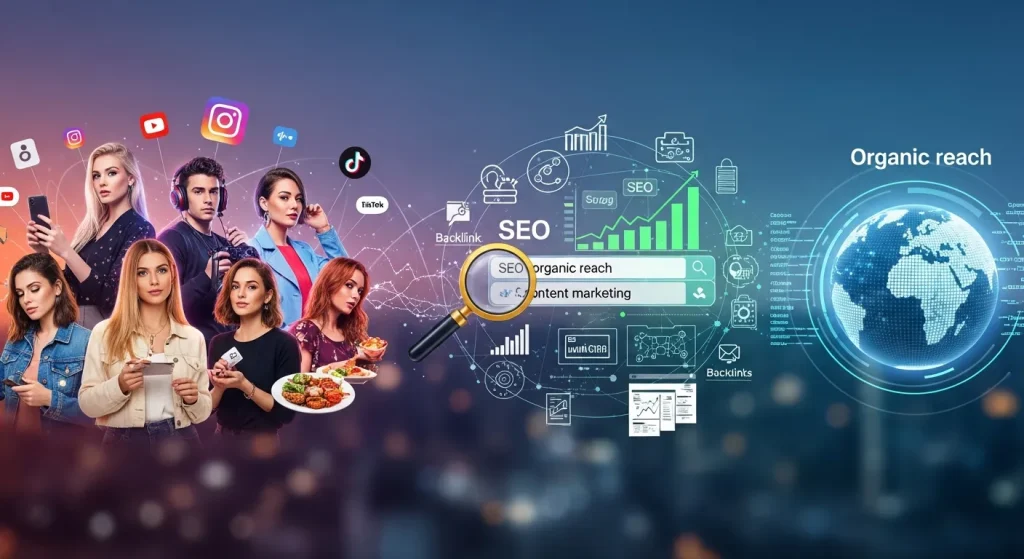
Combining influencer marketing with SEO strengthens organic visibility through quality backlinks, keyword-optimized content, and targeted traffic. Strategic collaborations improve search rankings, amplify brand reach, boost engagement signals, and drive sustainable long-term growth across digital channels.
In today’s competitive digital landscape, standalone strategies rarely deliver the growth brands seek. Influencer marketing and SEO have each proven their worth independently, but when combined, they unlock exponential benefits for organic visibility and audience engagement. In this comprehensive guide, we explore how to seamlessly integrate influencer marketing with your SEO efforts to drive quality backlinks, boost keyword rankings, and cultivate long-term traffic growth.
Understanding SEO Foundations
Before diving into integration tactics, it’s essential to revisit the core principles of SEO that underpin any successful strategy:
- Keyword Research: Identifying the search terms your target audience uses, prioritizing intent and volume.
- On-Page Optimization: Crafting title tags, meta descriptions, headings, and body content that align with chosen keywords.
- Technical SEO: Ensuring site speed, mobile friendliness, crawlability, and secure HTTPS protocols.
- Content Quality: Producing valuable, relevant, and engaging material that satisfies user intent and encourages dwell time.
- Backlinks: Earning authoritative inbound links that signal to search engines your site’s trustworthiness.
How Influencer Marketing Boosts SEO
Influencers wield considerable sway over niche communities, and their collaborations can positively impact your SEO in several powerful ways. By leveraging their reach, authority, and audience trust, brands can strengthen multiple ranking signals that search engines value.
Quality Backlinks:
When influencers link to your site from their blogs, YouTube descriptions, or resource pages, you earn high-authority backlinks. These links improve your domain authority, enhance crawlability, and signal trustworthiness to search engines—one of the strongest ranking factors in SEO.
Enhanced Brand Mentions:
Even when influencers mention your brand without linking, these unlinked brand mentions across social media, blogs, podcasts, forums, and news articles contribute to brand authority signals. Search engines increasingly recognize brand visibility and reputation as indicators of credibility.
Increased Content Freshness:
Collaborative content such as interviews, co-authored blogs, product reviews, and guest features consistently adds fresh, relevant material to your website. Search engines reward regularly updated content because it reflects ongoing relevance, expertise, and industry activity.
Improved User Engagement:
Influencers drive highly targeted and interested visitors to your site. This leads to higher time on page, lower bounce rates, more pages per session, and better interaction signals—all of which indicate strong user satisfaction and improve SEO performance over time
Strategy 1: Co-Created, SEO-Optimized Content
- Partner with influencers to develop content that aligns with both their audience’s interests and your keyword strategy. This collaborative approach ensures content is valuable, discoverable, and engaging for both audiences while supporting SEO objectives. Steps to implement:
- Joint Keyword Mapping: Share your keyword research with the influencer and invite them to suggest related topics or search terms that resonate with their followers. Focus on high-intent, low-competition keywords that are likely to drive qualified traffic. Mapping keywords collaboratively helps ensure content relevance, maximizes search visibility, and aligns with audience interests.
- SEO Briefs: Provide influencers with detailed on-page SEO guidelines. Include recommended headings, meta description templates, examples of internal and external links, keyword placement suggestions, and any formatting preferences. Clear SEO briefs make it easier for influencers to produce optimized content that supports your overall strategy while maintaining their authentic voice.
- Dual-Published Posts: Publish the co-created content both on your blog and the influencer’s platform, with each version linking to the other. This reciprocal linking boosts referral traffic, improves backlink equity, and signals authority to search engines. Dual publication also exposes your content to new audiences, enhancing visibility and engagement.
- Rich Media Integration: Enhance posts with images, videos, infographics, charts, or interactive elements. Optimize all media assets by using descriptive file names, alt text with target keywords, and compressed formats for faster page load times. Rich media not only makes content more engaging for readers but also supports SEO by improving user experience and increasing dwell time.
Strategy 2: Guest Blogging and Resource Features
Securing guest posts on authoritative influencer sites can accelerate SEO progress. To maximize impact:
- Target Relevance: Choose influencers whose audience overlaps with your buyer persona and whose domain authority surpasses yours.
- Value-Driven Topics: Offer original insights, case studies, or data analysis that serve as valuable resources for their readers.
- Natural Link Placement: Integrate contextual backlinks to cornerstone content on your site with descriptive anchor text that includes keywords.
- Repurposing Rights: Negotiate permissions to republish the post on your own blog under a canonical tag, preserving SEO credit.
Strategy 3: Social Amplification and Link Acquisition
While social signals don’t directly influence search engine rankings, broad amplification of content through influencer networks significantly increases the likelihood of earning organic backlinks from journalists, bloggers, and niche publications. By leveraging the reach and credibility of influencers, your content gains additional visibility, credibility, and engagement opportunities, which can indirectly boost your SEO performance over time.
- Teaser Snippets: Share concise, attention-grabbing quotes, compelling statistics, infographics, or visual highlights from your co-created content across social media platforms. These snippets serve as hooks to entice followers to click through to the full article, blog, or landing page, increasing referral traffic and potential backlinks.
- Influencer Takeovers: Allow influencers to temporarily manage your social media channels, such as Instagram Stories, Twitter threads, or LinkedIn posts. This strategy exposes your content to the influencer’s engaged audience, drives direct traffic back to the original post, and encourages social sharing, amplifying reach beyond your existing followers.
- Hashtag Strategy: Use a combination of branded hashtags, trending industry tags, and keyword-rich hashtags to broaden content discoverability. Effective hashtag strategies help new audiences find your content, increase participation in discussions, and make it easier for journalists and bloggers to locate and link to your work.
- Link Roundups: Collaborate with influencers to create curated monthly industry link roundups or newsletters that feature both their content and yours. This approach not only fosters ongoing collaboration but also encourages consistent backlink opportunities, strengthens relationships with niche communities, and drives targeted, engaged traffic to your website.
Measuring Success: Metrics and Tools
 To evaluate the ROI of your integrated influencer marketing and SEO campaigns, it’s essential to monitor key performance indicators (KPIs) that reflect both visibility and engagement. These metrics provide actionable insights to optimize future campaigns and ensure your strategy is driving measurable results:
- Organic Traffic Growth: Use tools like Google Analytics to track changes in sessions, unique visitors, and pageviews on SEO landing pages before and after campaign execution. An increase in organic traffic indicates that influencer-driven content and backlinks are successfully driving interested users to your site. Segment traffic by source, geography, and device to understand where the highest-quality visitors are coming from.
- Keyword Rankings: Monitor target keyword positions using platforms such as Ahrefs, SEMrush, or Moz. Tracking keyword performance over time helps determine whether co-created content and backlink efforts are improving your search visibility. Pay attention not only to rankings for primary keywords but also to long-tail keywords that may capture highly relevant, intent-driven traffic.
- Backlink Profile: Evaluate new referring domains, link quality, and anchor text diversity using tools like Ahrefs Site Explorer or Majestic. High-authority backlinks from relevant influencer sites enhance domain authority, improve crawlability, and signal trustworthiness to search engines. Track both the quantity and quality of links to ensure sustainable SEO growth.
- Engagement Metrics: Assess user behavior on your co-created content, including bounce rate, average time on page, pages per session, and scroll depth. These engagement metrics reflect content relevance and the ability to capture audience attention. Higher engagement often correlates with improved SEO performance, as search engines interpret longer, more interactive sessions as a sign of quality content.
- Social Shares: Track how often content is shared across social platforms, including Facebook, LinkedIn, Twitter, Instagram, and emerging networks, using tools like BuzzSumo or Shareablee. While social signals may not directly influence rankings, widespread sharing increases content exposure, drives referral traffic, and creates opportunities for additional backlinks from journalists, bloggers, and niche publications.
- Regularly reviewing these KPIs enables marketers to identify what works, replicate successes, and adjust strategies to maximize ROI from both SEO and influencer marketing efforts.
Best Practices and Common Pitfalls
To ensure a smooth collaboration and optimal SEO impact, keep these guidelines in mind:
- Authenticity Over Promotion: Choose influencers whose voice aligns organically with your brand. Forced endorsements can alienate audiences and reduce shareability.
- Quality Overrides Quantity: A few high-authority backlinks are more valuable than dozens of low-quality links from irrelevant sources.
- Clear Contracts: Document deliverables, timelines, link usage, and content rights to avoid misunderstandings and ensure SEO compliance.
- Disclosure Compliance: Ensure all sponsored content follows FTC guidelines for transparent disclosures to maintain trust and avoid penalties.
- Ongoing Optimization: Regularly update co-created posts with fresh statistics, new examples, and additional influencer quotes to maintain ranking and relevance.
Conclusion
Integrating influencer marketing with your SEO strategy creates a powerful synergy that amplifies brand visibility, drives high-quality traffic, and earns authoritative backlinks. By collaborating with carefully selected influencers, you not only tap into their engaged audiences but also enhance your credibility within your niche. By co-creating optimized content that aligns with both your keyword strategy and the influencer’s audience interests, you ensure that each piece of content is valuable, relevant, and discoverable. Leveraging guest publishing opportunities further extends your reach, allowing your brand to appear on authoritative platforms and build a robust backlink profile. Amplifying posts through social channels, including Instagram, LinkedIn, Twitter, and emerging platforms, ensures maximum exposure, encourages sharing, and drives additional traffic back to your site. By continuously implementing these tactics, tracking your metrics diligently, and refining your approach based on performance insights, you maintain alignment with evolving search engine algorithms and audience behaviors. The result is a cohesive, integrated digital marketing engine that scales more efficiently than either influencer marketing or SEO could achieve independently, generating sustainable growth, improving engagement metrics, and reinforcing long-term brand authority.
Ready to elevate your SEO with influencer partnerships? Start mapping your next campaign today, strategically selecting collaborators, and watch your organic reach, traffic quality, and overall digital presence soar to new heights! Learn more about B2B Influencer Marketing
Frequently Asked Questions (FAQ)
Q1: How does influencer marketing enhance SEO?
A: Influencer collaborations can generate high-authority backlinks, increase brand mentions, provide fresh content, and drive targeted traffic—improving domain authority, engagement metrics, and search engine rankings.
Q2: What types of content work best for influencer-SEO integration?
A: Co-created blog posts, guest articles, interviews, product reviews, multimedia content (videos, infographics), and resource features align with keyword strategies and engage both audiences effectively.
Q3: How do I select the right influencers for SEO purposes?
A: Choose influencers whose audience matches your target market, whose content aligns with your brand voice, and who have high domain authority and engagement rates.
Q4: What is co-created, SEO-optimized content?
A: It’s content developed collaboratively with influencers that incorporates targeted keywords, follows SEO best practices, and is published on both your site and the influencer’s platform to boost backlinks and referral traffic.
Q5: How can guest blogging benefit SEO?
A: Guest posts on authoritative influencer sites provide natural backlinks, expand audience reach, and enhance credibility while allowing republishing on your site under canonical tags to retain SEO value.
Q6: Does social amplification impact SEO?
A: While social signals don’t directly affect rankings, promoting content via influencers increases visibility, engagement, and the likelihood of earning organic backlinks from journalists, bloggers, and niche publications.
Q7: Which metrics should I track to measure success?
A: Track organic traffic growth, keyword rankings, new referring domains, backlink quality, engagement metrics (bounce rate, time on page, pages/session), and social shares.
Q8: What are common pitfalls to avoid?
A: Avoid forced endorsements, low-quality backlinks, unclear contracts, non-compliance with disclosure regulations, and neglecting ongoing content optimization. Focus on authenticity, quality, and continual performance improvements.
Q9: How do I maintain long-term SEO benefits?
A: Continuously update co-created content, refresh statistics, add influencer insights, optimize posts for new keywords, and refine campaigns based on metrics and search algorithm changes.
Q10: Can influencer marketing and SEO work independently?
A: Yes, each strategy works alone, but combining them creates a synergistic effect—boosting visibility, traffic quality, engagement, and long-term brand authority more effectively than either strategy alone.