Digital Influencers: Types, Impact & How to Become One
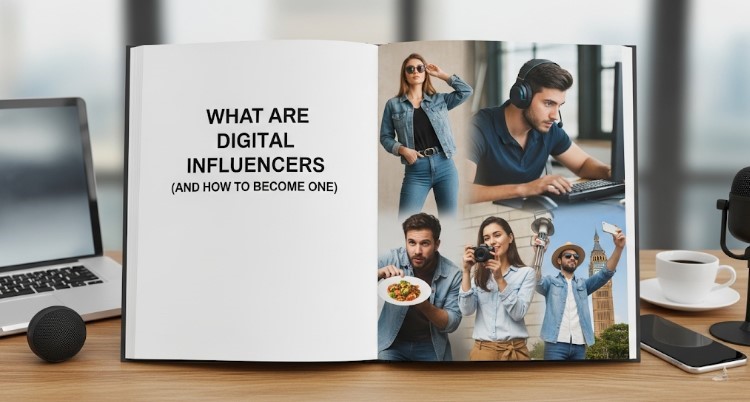
Digital influencers are transforming how we discover products, form opinions, and interact with content online. Spanning industries from fashion and beauty to tech and finance, these creators have built loyal communities who trust their recommendations, fundamentally reshaping modern marketing.
But what exactly is a digital influencer? How do they cultivate dedicated followings, and what does it take to become one yourself? This guide explores the world of digital influencers, examining who they are, the impact they have, and practical steps to establish your own online presence. Whether you are a brand seeking meaningful collaborations or an aspiring creator aiming to grow your influence, this guide provides the insights needed to navigate this dynamic industry effectively.
What is a Digital Influencer?

A digital influencer is an individual who has cultivated a dedicated online community around a specific niche or area of expertise. They create and share content on platforms such as Instagram, TikTok, YouTube, and personal blogs. Through their authority, authenticity, and consistent engagement, they can influence the opinions and purchasing decisions of their audience.
Unlike traditional celebrities who gain fame through movies, music, or mainstream media, digital influencers build their reputation from the ground up by producing valuable, relevant, and engaging content. Their power comes from the trust and rapport they develop with followers, making their recommendations feel more like advice from a trusted friend rather than a paid advertisement.
The Growing Impact of Influencer Marketing
The rise of digital influencers has fueled the growth of influencer marketing, an industry now valued in the billions. Brands increasingly allocate marketing budgets to collaborate with influencers because it enables them to connect with target audiences in a more authentic and effective way compared to traditional advertising.
Here’s why influencer marketing has become so powerful:
Authentic Connections: Influencers provide a level of trust and authenticity that traditional ads often lack. Their followers value genuine opinions, personal stories, and relatable content.
Targeted Reach: Partnering with an influencer in a specific niche allows brands to directly access a pre-existing, engaged community of consumers who are more likely to be interested in their products or services.
High Engagement: Influencer-generated content often drives higher engagement rates—likes, comments, and shares—than brand-owned content, increasing visibility and brand awareness.
Measurable ROI: Modern analytics tools let brands track campaign performance, including website clicks, lead generation, and direct sales, providing clear insights into return on investment and campaign effectiveness.
Different Types of Digital Influencers
The term “influencer” encompasses a wide spectrum of content creators, often categorized based on their follower count and reach. Each type of influencer offers unique advantages for brands, from high engagement within niche communities to massive visibility for large-scale campaigns. Understanding these categories helps brands tailor collaboration strategies and select the right partners for their marketing goals.
Nano-Influencers (1,000–10,000 Followers)
Micro-Influencers (10,000–100,000 Followers)
Micro-influencers have established themselves as experts in specific fields, such as sustainable fashion, vegan cooking, or personal finance. They have a larger reach than nano-influencers but still maintain a strong connection with their audience. They are a popular choice for brands because they offer a great balance of reach and engagement without the high price tag of larger influencers.
Macro-Influencers (100,000–1 Million Followers)
Macro-influencers are typically professional content creators, bloggers, and vloggers who have transformed their online presence into a full-time career. With substantial followings across one or more platforms, they offer broad reach and the ability to generate significant brand awareness from a single post or campaign.
Although their engagement rates may be slightly lower than those of nano or micro-influencers, macro-influencers excel at delivering visibility at scale. Their experience with branded content, polished production quality, and established audience trust make them valuable partners for large-scale or national marketing campaigns.
Mega-Influencers (1 Million+ Followers)
Mega-influencers are the celebrities of the digital world. This category includes top-tier YouTubers, globally recognized social media stars, and traditional celebrities who maintain a powerful online presence. Their content reaches millions of people, making them highly effective for large-scale brand awareness campaigns.
Collaborating with a mega-influencer can deliver massive exposure in a short period, but it comes at a significant cost. These partnerships often involve complex contracts, high production value, and strict brand guidelines. As a result, mega-influencer collaborations are typically reserved for major brands with substantial marketing budgets and broad target audiences.
A Step-by-Step Guide to Becoming a Digital Influencer
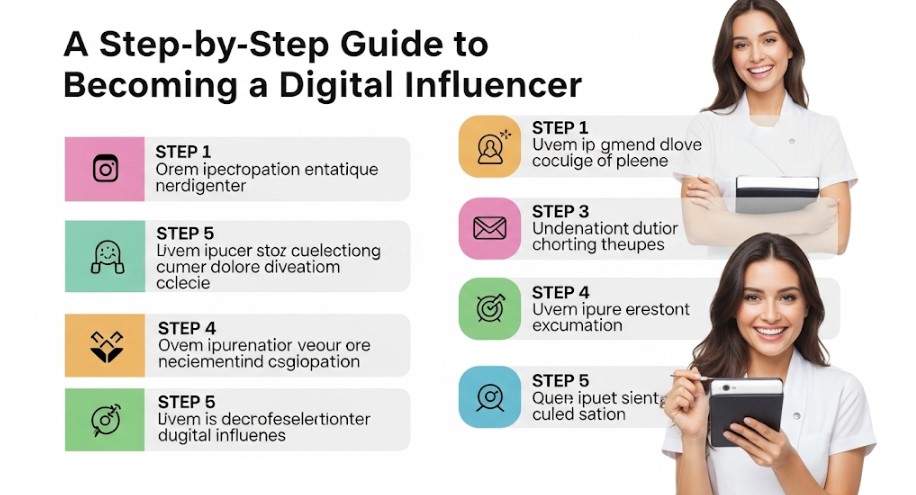
Building a career as a digital influencer requires dedication, strategic planning, and a genuine passion for your chosen niche. Success doesn’t happen overnight—it takes consistent effort to create valuable content, engage with your audience, and establish credibility. If you’re looking to grow your own community and become a trusted voice online, following a structured approach can help you achieve sustainable influence and meaningful connections. Here are the essential steps to get started.
1. Find Your Niche
The first and most important step is to choose a niche you are both passionate and knowledgeable about. Your niche could be anything from vintage video games to urban gardening or personal finance. A clear and specific focus helps you stand out, build credibility, and attract a dedicated audience that genuinely shares your interests.
Ask yourself what topics you naturally enjoy talking about and could create content around consistently. Consider the unique skills, experiences, or knowledge you can offer that others may not. Finally, research whether there is an existing audience for this topic and how you can provide value in a way that feels authentic and distinct.
2. Choose Your Platforms
You don’t need to be active on every social media platform to succeed. Instead, focus on one or two platforms where your target audience spends the most time and where your content style fits naturally. This allows you to concentrate your efforts, maintain quality, and grow more effectively.
Instagram is ideal for visual niches such as fashion, food, travel, and art, where strong imagery and short videos perform well. TikTok is perfect for short-form video, trends, storytelling, and entertainment-driven content. YouTube works best for long-form videos, tutorials, vlogs, and in-depth reviews that require more detail. A blog is a powerful platform for establishing authority, improving search visibility, and sharing detailed written content that provides long-term value.
3. Create High-Quality, Consistent Content
Your content is the foundation of your influence. Focus on creating posts, videos, or articles that are valuable, engaging, and high-quality, while staying true to your niche and audience interests. Well-crafted content helps establish credibility and encourages followers to return for more.
Consistency is equally important. Develop a content calendar to plan your posts and maintain a regular publishing schedule. Consistently providing fresh content keeps your audience engaged and signals to platform algorithms that your account is active, improving visibility and long-term growth.
4. Engage With Your Community
Building a loyal community is about more than just posting content. It requires active participation and genuine interaction. Taking the time to connect with your followers helps create stronger relationships and encourages long-term loyalty.
Respond to comments and direct messages to show your audience that their opinions matter. Ask questions in your captions to spark conversations and invite followers to share their thoughts and experiences. Going live on platforms like Instagram or YouTube allows you to interact in real time, answer questions, and build a more personal connection. Additionally, engaging with other creators in your niche—through comments, shares, and collaborations—helps expand your reach and strengthens your presence within the community.
5. Be Authentic and Transparent
Your followers value your authenticity. Be yourself and share your genuine opinions and experiences rather than trying to fit a trend or persona that doesn’t reflect who you are. Audiences connect more deeply with creators who are honest, relatable, and consistent in their voice and values.
If you partner with brands, be transparent about it. Clearly disclose sponsored posts using hashtags like #ad or #sponsored, and only collaborate with brands that genuinely align with your niche and beliefs. This openness builds trust, reinforces credibility, and strengthens long-term relationships with your audience.
Charting Your Path in the Digital Age
The world of digital influencers is more than just a passing trend; it represents a fundamental shift in how we communicate and connect. For brands, influencers offer an authentic bridge to engaged audiences, enabling more meaningful conversations than traditional advertising ever could. For aspiring creators, this path offers a chance to turn a passion into a profession by building a community around a shared interest and delivering content that resonates on a personal level.
Becoming a digital influencer requires a clear strategy, consistent effort, and a genuine desire to provide value. It involves understanding your audience, staying committed to your niche, and continuously refining your content to meet evolving expectations. By identifying your niche, creating quality content, and fostering a strong community, you can build a meaningful online presence that stands out in a crowded digital space. Whether your goal is to share your expertise with a small group or reach millions, the principles of authenticity and engagement remain the key to long-term success, credibility, and sustainable growth in the digital age.
Conclusion
Digital influencers have reshaped modern marketing by building authentic, trust-based relationships with their audiences. Whether you’re a brand seeking meaningful engagement or an aspiring creator starting out, success lies in authenticity, consistency, and value. By choosing the right niche, platforms, and strategy, digital influence can become both impactful and sustainable.
FAQs About Digital Influencers
1. What is a digital influencer?
A digital influencer is a content creator who builds a loyal online community within a specific niche and influences audience opinions, purchasing decisions, and brand perceptions through authentic, engaging, and consistent content.
2. How do digital influencers make money?
Digital influencers earn income through sponsored posts, brand collaborations, affiliate marketing, product sales, ad revenue, subscriptions, and partnerships that align with their niche and audience interests.
3. What platforms are best for digital influencers?
Popular platforms include Instagram, TikTok, YouTube, and blogs. The best choice depends on your niche, content format, and where your target audience spends the most time online.
4. How long does it take to become a successful influencer?
Becoming successful typically takes months or years of consistent content creation, audience engagement, and strategic growth. Results vary based on niche competitiveness, content quality, and marketing efforts.
5. What is the difference between nano and macro influencers?
Nano-influencers have smaller, highly engaged audiences, while macro-influencers reach broader audiences with greater visibility. Engagement rates often decrease as follower counts increase.
6. Why is authenticity important for influencers?
Authenticity builds trust and credibility with followers. Audiences value honest opinions and transparency, which strengthens relationships and increases long-term engagement and brand partnership opportunities.
7. How do brands choose influencers for collaborations?
Brands evaluate audience demographics, engagement rates, content quality, niche relevance, and past campaign performance to ensure the influencer aligns with their marketing objectives and brand values.
8. Can anyone become a digital influencer?
Yes, anyone with dedication, creativity, and a clear niche can build influence online. Success requires consistency, strategic planning, and genuine engagement with a targeted audience.
9. What skills are important for digital influencers?
Key skills include content creation, storytelling, communication, branding, basic analytics understanding, and social media strategy to grow, engage, and monetize an online audience effectively.
10. Is influencer marketing effective for businesses?
Yes, influencer marketing is highly effective because it delivers authentic promotion, targeted reach, measurable ROI, and stronger audience engagement compared to many traditional advertising methods.