9 Influencer Collaboration Tips That Actually Drive Results
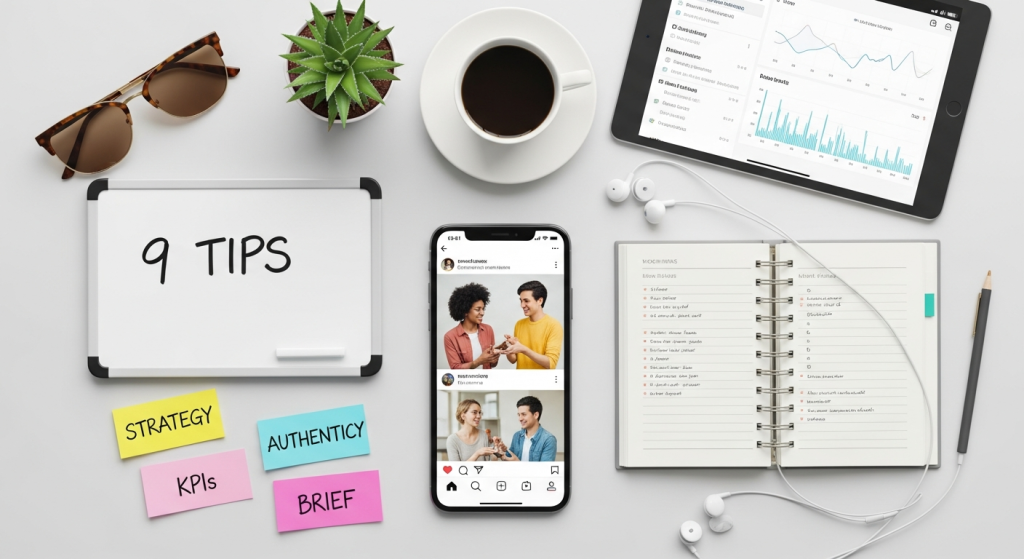
Partnering with influencers can transform your brand’s reach and credibility—but only when done strategically. Many brands jump into influencer marketing with high hopes, only to see lackluster results and wasted budgets.
The difference between successful and failed influencer campaigns often comes down to execution. Choosing the right partners, crafting compelling briefs, and measuring what matters can turn a simple collaboration into a powerful growth engine for your business.
Choose Quality Over Quantity

Micro-influencers with smaller, engaged audiences often outperform mega-influencers with millions of followers. A creator with 10,000 highly engaged followers in your niche can drive better results than someone with 500,000 disengaged ones.
Look for influencers whose audiences align with your target demographic. Check their engagement rates, comment quality, and audience authenticity. Tools like Social Blade or HypeAuditor can help you analyze these metrics quickly.
Consider follower growth patterns too. Sudden spikes often indicate purchased followers, while steady, organic growth suggests genuine influence. Authentic engagement beats vanity metrics every time.
Research Their Content and Values
Before reaching out, spend time understanding an influencer’s content style, values, and brand partnerships. Their content should naturally align with your brand’s messaging and aesthetic.
Review their recent posts and stories. Do they already use products similar to yours? Have they partnered with competitors? Understanding their content ecosystem helps you craft better collaboration proposals.
Pay attention to how they integrate sponsored content. Influencers who seamlessly blend promotions with organic content tend to drive better engagement and audience trust.
Establish Clear Campaign Objectives
Define specific, measurable goals before launching any influencer campaign. Whether you’re driving brand awareness, website traffic, or direct sales, your objectives should guide every decision from influencer selection to content creation.
Set realistic expectations based on industry benchmarks. Awareness campaigns might focus on reach and impressions, while conversion-focused campaigns should track clicks, leads, or purchases.
Share these objectives with your influencer partners. When creators understand your goals, they can tailor their content and calls-to-action accordingly.
Create Detailed Creative Briefs
A comprehensive brief ensures everyone stays aligned while giving influencers creative freedom. Include key messaging points, required hashtags, mention guidelines, and any legal requirements.
Specify deliverables clearly. How many posts? Which platforms? What content formats? Include technical requirements like image dimensions or video length to avoid revision rounds.
Balance guidance with creative flexibility. Provide brand guidelines and must-include elements, but let influencers adapt the messaging to their unique voice and audience preferences.
Negotiate Fair Compensation
Research industry-standard rates for different influencer tiers and content types. Compensation varies widely based on follower count, engagement rates, platform, and content complexity.
Consider offering a mix of monetary payment, free products, and performance bonuses. This approach aligns influencer incentives with your campaign goals while respecting their professional value.
Be transparent about usage rights. If you plan to repurpose their content for your own marketing channels, factor this into your compensation discussions upfront.
Build Long-Term Relationships
One-off collaborations rarely maximize potential. Building ongoing relationships with select influencers creates authentic brand advocacy and better content performance over time.
Develop an influencer ambassador program for your top-performing partners. Offer exclusive access to new products, higher compensation rates, or co-creation opportunities to maintain strong relationships.
Regular communication matters. Check in with your influencer partners between campaigns, share their content on your channels, and celebrate their successes. These gestures build loyalty and encourage continued collaboration.
Leverage User-Generated Content
Encourage influencers to create content that inspires their followers to share their own experiences with your brand. User-generated content amplifies your campaign reach organically and builds social proof.
Create branded hashtags that influencers can use to encourage audience participation. Make sure these hashtags are memorable, unique, and aligned with your brand identity.
Showcase user-generated content on your own channels with proper credit. This recognition encourages more content creation and strengthens your relationship with both influencers and their audiences.
User-generated content works because it feels authentic and relatable. When real customers share their experiences, it builds trust far more effectively than branded messaging alone. Audiences are more likely to engage with and act on content created by peers rather than promotional ads.
To maximize impact, provide simple guidelines on how followers can participate—such as tagging your brand, using a specific hashtag, or sharing a short review. You can also run contests or feature spotlights to motivate participation and maintain momentum.
Repurposing high-quality user-generated content across your website, social media, email campaigns, and ads further extends its value. Always request permission when needed and give clear credit to creators to maintain transparency and positive brand relationships.
Track and Measure Performance
Monitor campaign performance in real-time using trackable links, promo codes, and platform analytics. This data helps you optimize ongoing campaigns and improve future collaborations.
Track both quantitative metrics (reach, engagement, clicks, conversions) and qualitative indicators (sentiment, brand mention quality, audience feedback). Both perspectives provide valuable insights.
Compare performance across different influencers, content types, and platforms. These insights help you allocate budgets more effectively and identify your most successful partnership strategies.
To gain deeper clarity, establish baseline metrics before the campaign begins. Knowing your average engagement rates, traffic levels, and conversion benchmarks allows you to accurately measure lift and impact. Without clear benchmarks, it becomes difficult to determine whether a campaign truly succeeded.
Use UTM parameters and unique discount codes for each influencer to attribute results correctly. This ensures you can identify which creators drive the highest return and which partnerships need adjustment. Attribution clarity prevents wasted spend and supports smarter scaling decisions.
Regular reporting is essential. Weekly or bi-weekly performance reviews help you spot trends early, optimize content formats, and refine messaging while campaigns are still active. Over time, these insights build a performance database that strengthens forecasting and improves influencer selection for future campaigns.
Maintain Authentic Partnerships
Authenticity drives influencer marketing success. Partner with creators who genuinely connect with your brand and products rather than chasing follower counts or low rates.
Allow influencers to share honest opinions about your products. Authentic reviews, even with minor criticisms, build more trust than obviously scripted endorsements.
Respect FTC guidelines and platform requirements for disclosure. Clear, compliant disclosure protects both your brand and your influencer partners while maintaining audience trust.
Maximize Your Influencer Marketing Success
Effective influencer collaboration combines strategic planning, authentic partnerships, and continuous optimization. Focus on building genuine relationships with creators whose audiences align with your target market, and prioritize engagement over follower counts.
Start by identifying three to five micro-influencers in your niche. Research their content, engage with their posts, and reach out with personalized collaboration proposals. Remember that successful influencer marketing is about building communities, not just broadcasting messages.
Ready to launch your next influencer campaign? Begin by defining your objectives, researching potential partners, and creating comprehensive creative briefs. With these foundations in place, you’ll be well-positioned to build influencer partnerships that drive meaningful business results.
Choose the Right Platforms for Your Campaign
Not every social media platform delivers the same results for influencer marketing. Choosing the right platform depends on your audience behavior, content format, and campaign goals. For example, Instagram and TikTok perform well for lifestyle, fashion, and visual products, while YouTube is ideal for in-depth reviews and tutorials. LinkedIn influencer marketing works best for B2B brands and professional services. Analyze where your target customers spend the most time and how they consume content. Platform selection also impacts costs, engagement rates, and content longevity. By focusing on one or two high-performing platforms instead of spreading resources thin, you can maximize impact and ensure your influencer content reaches the right audience at the right time.
Develop a Strong Influencer Outreach Strategy
A thoughtful outreach strategy sets the tone for successful influencer collaborations. Avoid generic messages and focus on personalized communication that shows genuine interest in the influencer’s work. Reference specific posts, explain why their audience is a good fit, and clearly outline the value of the collaboration. Influencers receive many partnership requests, so standing out requires relevance and respect for their creative identity. Clear communication about expectations, timelines, and deliverables builds trust from the start. A strong outreach approach increases response rates, improves relationship quality, and lays the foundation for long-term partnerships rather than transactional, short-lived campaigns.
Timing also plays an important role in outreach success. Reaching out well in advance allows influencers to plan content naturally and avoids rushed collaborations that feel forced. Follow up respectfully if you don’t receive a response, but avoid aggressive messaging that can damage brand perception.
Finally, maintain consistency in your outreach tone and brand voice. Whether you’re contacting micro-influencers or established creators, professionalism and clarity signal that your brand values collaboration, creativity, and mutual growth—key ingredients for successful influencer partnerships.
Align Influencer Content with the Customer Journey
Influencer content performs best when it aligns with different stages of the customer journey. Awareness-stage content focuses on discovery and brand introduction, while consideration-stage content highlights benefits, comparisons, or demonstrations. Conversion-stage content emphasizes offers, testimonials, and clear calls-to-action. Planning influencer deliverables around these stages ensures consistent messaging and stronger results. For example, an unboxing video may spark interest, while a follow-up review drives conversions. Mapping content to the buyer journey helps influencers create purposeful narratives rather than isolated posts. This approach increases engagement, improves conversion rates, and creates a more cohesive brand experience for audiences.
Ensure Legal and Contractual Clarity
Clear contracts protect both brands and influencers. Agreements should outline deliverables, timelines, compensation, content usage rights, disclosure requirements, and termination clauses. Legal clarity prevents misunderstandings and ensures compliance with advertising regulations. Brands should also specify whether influencer content can be reused in ads, websites, or email campaigns. Including approval processes and revision limits helps manage expectations on both sides. Transparent contracts build professional relationships and reduce risk. When influencers understand their responsibilities and brands understand their rights, collaborations run smoothly and maintain trust, credibility, and long-term partnership potential.
Optimize Campaigns Through Continuous Testing
Influencer marketing success improves with ongoing testing and optimization. Experiment with different content formats, posting times, captions, and calls-to-action to identify what resonates best. A/B testing influencer messaging or creative styles helps refine performance over time. Monitor early results and make adjustments during active campaigns rather than waiting until the end. Small optimizations—such as changing link placement or CTA language—can significantly improve engagement and conversions. Continuous testing turns influencer marketing into a data-driven growth channel instead of a one-off experiment. Brands that test, learn, and iterate consistently achieve stronger ROI and more predictable outcomes.
Integrate Influencer Marketing with Other Channels
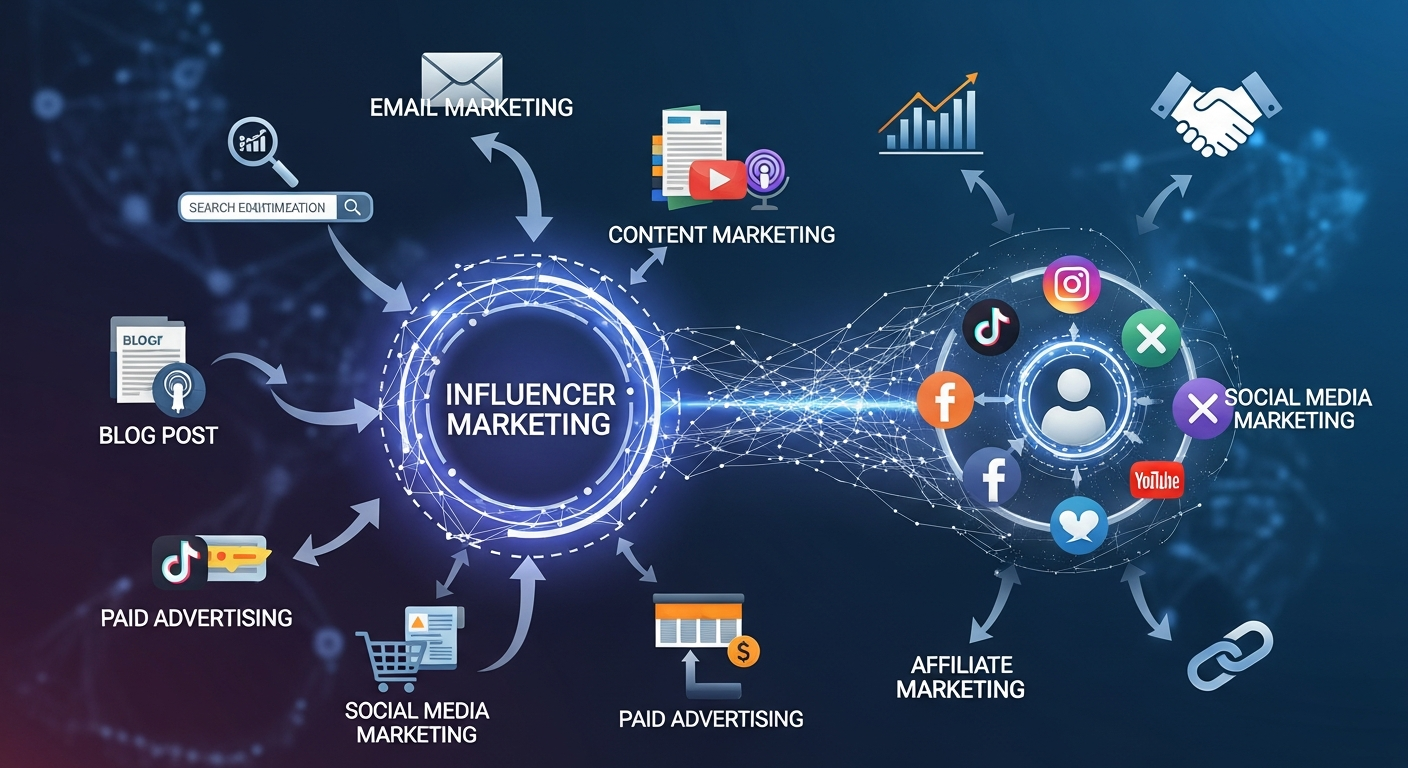
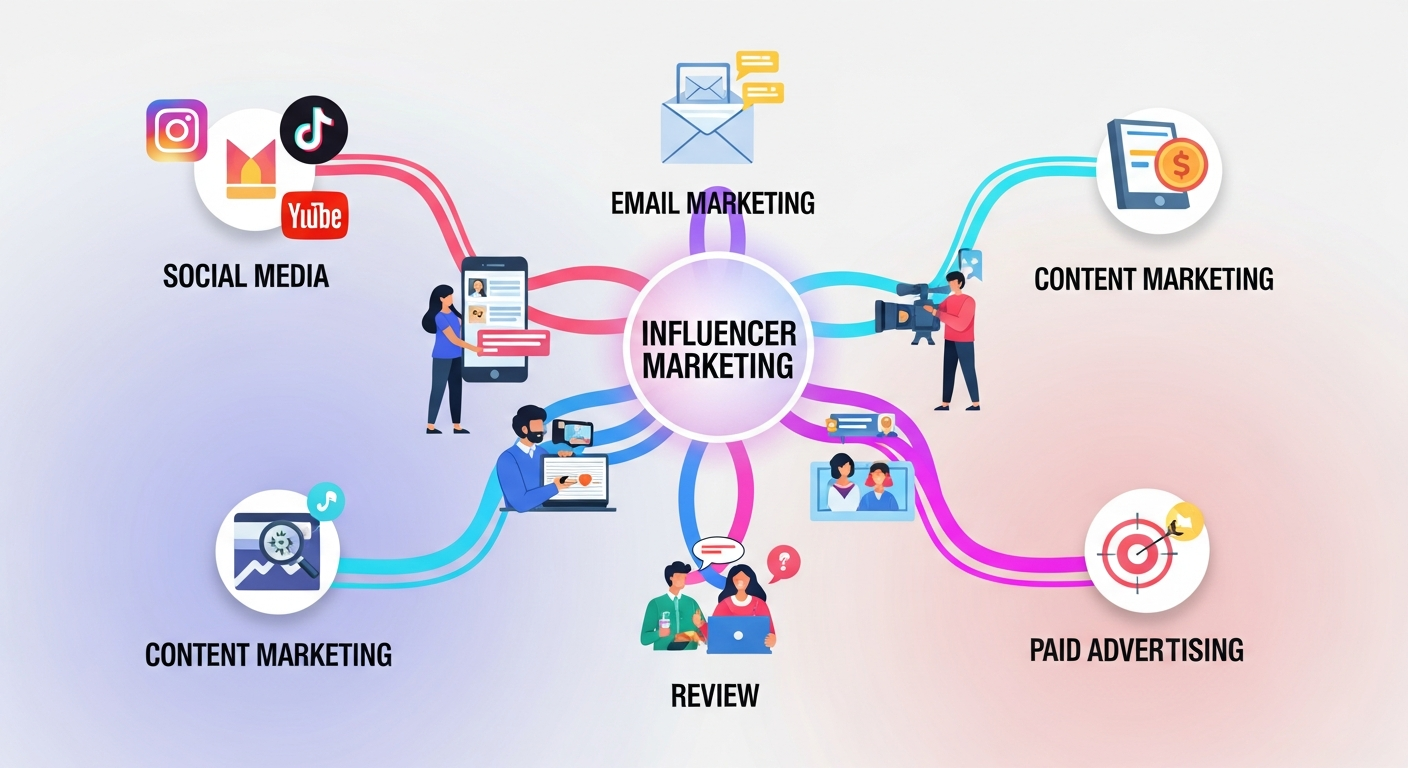
Influencer marketing works best when integrated with your broader marketing strategy. Repurpose influencer content across social ads, landing pages, email campaigns, and product pages to extend its value. Consistent messaging across channels reinforces brand credibility and increases conversion opportunities. Influencer-generated content can enhance paid campaigns by adding authenticity and social proof. Coordination between influencer, content, and performance marketing teams ensures alignment and efficiency. Integration prevents siloed efforts and maximizes the impact of every collaboration. When influencer marketing supports and amplifies other channels, it becomes a core growth driver rather than a standalone tactic.
Conclusion
Successful influencer marketing isn’t about working with the biggest names—it’s about strategic alignment, authenticity, and execution. By choosing the right influencers, setting clear goals, creating strong briefs, and tracking meaningful metrics, brands can turn influencer collaborations into powerful growth drivers. Focus on building genuine, long-term partnerships to maximize impact and achieve sustainable results.
Frequently Asked Questions (FAQ)
1. What type of influencers work best for small and mid-sized brands?
Micro-influencers often deliver the best results because they have highly engaged, niche audiences. Their recommendations feel more authentic, leading to higher trust, better engagement, and stronger conversion rates compared to large influencers.
2. How do I know if an influencer’s audience is authentic?
Review engagement quality, comment relevance, and follower growth trends. Tools like Social Blade or HypeAuditor can help identify fake followers, sudden growth spikes, and engagement inconsistencies.
3. How much should I budget for influencer marketing?
Budgets vary based on influencer size, platform, and deliverables. Many brands start small by working with micro-influencers using product gifting, performance-based incentives, or modest paid campaigns.
4. What metrics matter most in influencer campaigns?
Key metrics include engagement rate, reach, clicks, conversions, and audience sentiment. The most important metric depends on whether your goal is awareness, traffic, or sales.
5. Should influencer partnerships be one-time or ongoing?
Long-term partnerships usually perform better. Ongoing collaborations build trust, brand familiarity, and more authentic advocacy over time.