7 Influencer Marketing Trends Reshaping Brand Strategies

Influencer marketing now prioritizes authenticity, long-term partnerships, and data-driven decision-making. Micro-influencers, video content, niche communities, and transparent collaborations drive higher engagement and trust. Brands that diversify platforms, invest in relationships, and measure real business impact gain sustainable competitive advantages in an evolving digital landscape.
Influencer marketing has evolved far beyond celebrity endorsements and polished Instagram posts. Brands are discovering new ways to connect authentically with audiences through strategic partnerships that feel genuine rather than forced. The landscape shifts constantly, with emerging platforms, changing algorithms, and evolving consumer expectations driving fresh approaches to collaboration.
Understanding these trends isn’t just about staying current—it’s about capitalizing on opportunities that competitors might miss. The brands succeeding most are those adapting quickly to new formats, embracing authenticity over perfection, and building genuine relationships rather than transactional partnerships.
As audiences become more discerning, they can easily identify inauthentic promotions. This has pushed brands to rethink how they collaborate with influencers, focusing more on shared values, storytelling, and long-term alignment. Influencers are no longer treated simply as advertising channels but as creative partners who understand their communities deeply and can communicate brand messages in a natural, relatable way.
Technology also plays a major role in this evolution. Advanced analytics, AI-driven insights, and performance-tracking tools help brands identify the right creators, measure real impact, and refine campaigns continuously. At the same time, social platforms are introducing new content formats—such as short-form video, live streams, and community-based features—that encourage deeper engagement and two-way interaction.
Ultimately, influencer marketing is shifting toward a more human, trust-based model. Success now depends on listening to audiences, empowering creators with creative freedom, and remaining flexible as trends evolve. Brands that prioritize authenticity, adaptability, and meaningful collaboration are better positioned to build lasting connections and achieve sustainable growth in an increasingly competitive digital landscape.
Micro-Influencers Deliver Higher Engagement Rates

The shift toward micro-influencers represents one of the most significant changes in recent years. These creators, typically with 1,000 to 100,000 followers, often achieve engagement rates between 3-7%, significantly higher than mega-influencers who average 1-3%.
Micro-influencers succeed because their audiences trust their recommendations more. When someone with 50,000 followers recommends a skincare product, it feels like advice from a knowledgeable friend rather than a paid advertisement. Their smaller communities also allow for more meaningful interactions and genuine connections.
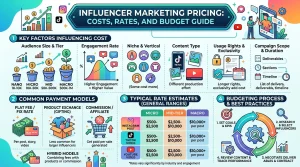
Cost-effectiveness makes micro-influencers particularly attractive. While a celebrity might charge $50,000 for a single post, micro-influencers typically work within budgets of $100-$1,000 per post. This allows brands to diversify their partnerships, working with multiple creators across different niches and demographics.
Smart brands are building networks of micro-influencers rather than relying on single high-profile partnerships. This approach provides a broader reach while maintaining authenticity and keeping costs manageable.
Authenticity Trumps Production Value
Highly polished content is losing its appeal. Audiences increasingly gravitate toward raw, unfiltered content that feels authentic and relatable. This shift reflects broader social media trends where users value transparency over perfection.
Behind-the-scenes content, unboxing videos, and honest product reviews perform better than heavily scripted promotional posts. Influencers sharing genuine experiences—including both positive aspects and limitations—build stronger trust with their audiences.
Brands are adapting by giving influencers creative freedom rather than demanding strict adherence to brand guidelines. This approach yields more authentic content that resonates with audiences while still achieving marketing objectives.
The key lies in finding influencers whose values align naturally with your brand. When partnerships feel organic, the content flows more naturally and audiences respond more positively.
Video Content Dominates Across Platforms
Short-form video content continues its meteoric rise across platforms. TikTok pioneered this trend, but Instagram Reels, YouTube Shorts, and even LinkedIn video content now play crucial roles in influencer strategies.
Video content receives significantly higher engagement than static images. It allows for more dynamic storytelling, product demonstrations, and personality expression. Influencers can show products in action, share tutorials, or create entertaining content that naturally incorporates brand messages.
Live streaming adds another dimension, enabling real-time interaction between influencers and their audiences. These sessions feel more personal and immediate, often driving higher conversion rates for promoted products or services.
Brands should prioritize partnerships with influencers skilled in video creation. The most successful campaigns often combine planned video content with spontaneous live interactions to maximize reach and engagement.
Long-Term Partnerships Replace One-Off Campaigns
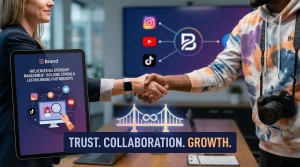
The most effective influencer relationships extend beyond single posts or campaigns. Long-term partnerships allow influencers to authentically integrate products into their lives and content over time, creating more credible endorsements.
These extended relationships benefit everyone involved. Influencers develop genuine familiarity with products, enabling more informed recommendations. Brands achieve better value through sustained visibility and deeper audience penetration. Audiences receive more helpful insights as they observe how products perform over extended periods.
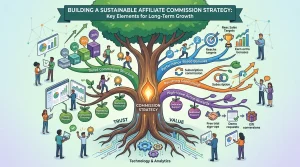
Ambassador programs represent one effective approach. Instead of paying for individual posts, brands provide ongoing product access, exclusive previews, or commission-based compensation structures. This model encourages continued promotion while maintaining authenticity.
Building these relationships requires patience and investment, but the results typically justify the approach through improved brand loyalty and higher conversion rates.
Niche Communities Drive Targeted Results
General lifestyle influencers are giving way to specialists focused on specific interests or industries. Whether it’s sustainable fashion, plant-based cooking, or productivity tools, niche influencers often deliver superior results for relevant brands.
These specialized communities demonstrate higher purchase intent because members actively seek recommendations within their areas of interest. A sustainable fashion influencer’s audience is more likely to purchase eco-friendly clothing than followers of a general lifestyle account.
Niche influencers also face less competition for attention within their specific areas, making their endorsements more memorable and impactful. Their expertise lends additional credibility to recommendations.
Identifying relevant niche communities requires research, but the investment pays dividends through improved targeting and higher conversion rates. Tools like hashtag analysis and audience demographics can help locate the right partnerships.
Employee Advocacy Gains Momentum

Companies are recognizing their employees as powerful brand ambassadors. Employee-generated content feels more authentic than traditional corporate messaging and provides unique behind-the-scenes perspectives that audiences value.
Employee advocacy works particularly well for B2B companies and service-based businesses. When team members share insights, industry knowledge, or company culture glimpses, it humanizes the brand and builds trust with potential customers.
This trend requires careful management to maintain authenticity while ensuring message consistency. Companies should provide guidelines and training rather than scripted content, allowing employees’ personalities to shine through while supporting business objectives.
The most successful employee advocacy programs recognize and reward participation while maintaining voluntary participation. Forced advocacy feels inauthentic and can backfire.
Performance Measurement Becomes More Sophisticated
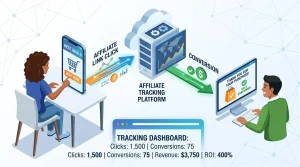
Brands are moving beyond vanity metrics like likes and follows to focus on meaningful business outcomes. Advanced analytics now track customer journeys from influencer content through to actual purchases, providing clearer ROI calculations.
Attribution modeling helps identify which influencers drive real conversions rather than just engagement. This data enables more informed partnership decisions and budget allocation.
Engagement quality metrics examine not just quantity but the depth of audience interactions. Comments, shares, and saves often indicate higher interest levels than simple likes.
Long-term brand awareness studies complement immediate performance metrics, recognizing that influencer marketing’s full value often extends beyond immediate conversions to include brand building and customer acquisition over time.
Building Your Influencer Strategy for Success
These trends point toward a more sophisticated, relationship-focused approach to influencer marketing. Success requires moving beyond transactional partnerships toward genuine collaborations that benefit all parties involved.
Start by identifying influencers whose audiences align with your target customers. Look beyond follower counts to examine engagement quality, content style, and value alignment. Build relationships gradually, beginning with smaller collaborations before committing to extensive partnerships.
Develop clear goals and measurement frameworks before launching campaigns. Whether focusing on brand awareness, lead generation, or direct sales, establish metrics that align with broader business objectives.
Most importantly, remain flexible and responsive to changing trends. The influencer marketing landscape evolves rapidly, and brands that adapt quickly often capture competitive advantages that drive long-term success.
Data-Driven Influencer Selection
Modern influencer marketing increasingly relies on data rather than intuition alone. Brands now analyze audience demographics, engagement authenticity, content performance history, and follower growth patterns before forming partnerships. This data-driven approach reduces risk and improves campaign outcomes by ensuring influencer audiences truly align with brand objectives. Metrics such as audience overlap, comment quality, and past conversion indicators provide deeper insight than surface-level follower counts. Advanced tools help detect fake followers and inflated engagement, protecting marketing investments. When brands use data to guide influencer selection, partnerships become more strategic and scalable. Data-backed decisions enable marketers to predict performance more accurately and continuously refine influencer strategies for higher returns.
Platform Diversification Strategies
Relying on a single social media platform limits influencer marketing potential. As algorithms and audience behavior shift, brands are diversifying across multiple platforms to maintain visibility and resilience. TikTok, Instagram, YouTube, LinkedIn, and emerging channels each serve different content styles and audience intents. Smart brands tailor influencer collaborations to platform strengths rather than repurposing identical content everywhere. This approach maximizes reach and engagement while reducing dependency risks. Platform diversification also allows brands to test new formats and discover untapped audiences early. Influencers active across multiple platforms provide added value by extending brand narratives into different digital spaces organically.
Influencer-Led Storytelling Campaigns
Story-driven influencer campaigns outperform traditional promotional messaging. Instead of focusing on product features, brands now collaborate with influencers to tell meaningful stories that align with audience emotions and experiences. These narratives feel more natural and memorable, increasing trust and long-term brand affinity. Influencer-led storytelling allows creators to integrate products seamlessly into their personal journeys, routines, or challenges. This approach reduces ad fatigue and enhances authenticity. When audiences connect emotionally with stories, brand recall and conversion likelihood increase. Storytelling campaigns also encourage deeper engagement through comments and shares, extending campaign reach organically beyond paid promotion windows.
Influencer Marketing Compliance and Transparency (≈120 words)
As influencer marketing matures, transparency and compliance have become essential. Regulatory bodies require clear disclosure of sponsored content to protect consumer trust. Brands and influencers must ensure partnerships are labeled accurately without disrupting authenticity. Transparent collaborations foster credibility and long-term audience trust. Educated audiences value honesty and respond more positively to clearly disclosed promotions than hidden advertising. Brands that prioritize ethical influencer practices protect their reputation while building sustainable relationships. Clear contracts, disclosure guidelines, and compliance training help prevent legal and reputational risks. Transparency is no longer optional—it is a foundational component of modern influencer marketing success.
Community Engagement Beyond Influencers
Influencer marketing increasingly extends into broader community engagement. Brands encourage influencers to spark conversations, host challenges, and interact directly with followers rather than simply posting content. This approach transforms audiences into active participants rather than passive viewers. Community-driven campaigns generate stronger emotional connections and foster brand loyalty. Influencers who reply to comments, host Q&A sessions, or co-create content with followers deepen trust. Brands benefit from increased organic reach and valuable user-generated content. Community engagement amplifies influencer impact by turning short-term campaigns into long-term brand ecosystems centered around shared values and interests.
Future-Proofing Influencer Marketing Strategies

Future-proof influencer strategies focus on adaptability, relationship-building, and continuous learning. As platforms evolve and audience expectations change, rigid strategies quickly lose effectiveness. Brands that invest in long-term partnerships, diversify influencer tiers, and embrace experimentation stay competitive. Emerging technologies such as AI-driven analytics and personalization tools further refine influencer selection and content optimization. Future-ready brands also prioritize inclusivity and representation, reflecting evolving social values. By staying flexible and responsive, marketers can navigate platform changes without disrupting momentum. Influencer marketing success increasingly depends on strategic foresight rather than short-term trend chasing.
Conclusion
Influencer marketing has evolved into a relationship-driven, data-informed discipline. Brands that prioritize authenticity, long-term collaboration, and community engagement outperform those relying on transactional campaigns. By embracing video, niche communities, transparency, and strategic measurement, businesses unlock sustainable growth opportunities. The future of influencer marketing belongs to brands that adapt quickly, build genuine connections, and treat creators as strategic partners rather than advertising channels.
Frequently Asked Questions (FAQ)
1. Are micro-influencers better than macro-influencers?
Often yes, due to higher engagement and trust.
2. How do brands measure influencer ROI effectively?
By tracking conversions, attribution paths, and engagement quality.
3. Should brands allow influencers creative freedom?
Yes, authenticity improves performance.
4. Is influencer marketing suitable for B2B brands?
Absolutely, especially through niche and employee advocacy.
5. How long should influencer partnerships last?
Long-term collaborations typically deliver stronger results.
6. Do influencer trends change frequently?
Yes, flexibility is essential for sustained success.