The Ultimate Guide to Creating an Influencer Marketing Brief That Works

An influencer marketing brief aligns goals, deliverables, creative direction, timelines, and legal details to ensure campaign success. A structured brief improves communication, strengthens brand consistency, maximizes ROI, and empowers influencers to create authentic, high-performing content that drives measurable results.
Influencer marketing has transformed from a buzzword into an essential strategy for reaching audiences authentically. Whether you’re a small business or an established brand, crafting an effective influencer marketing brief is the key to ensuring your campaign hits its goals. Without a clear brief, even the most talented influencers won’t know where to steer their content.
What Is an Influencer Marketing Brief?
Like any good brief, an influencer marketing one is a document (or a set of guidelines) that fills in the missing information about an influencer marketing project. It clarifies what brand require of influencers, so that the content they come up with fits the program’s goals and shares its values.
If you think of it as a communication tool that enables the operation of content creation and collaboration will be quite smooth. The more detailed the brief, however, the better impact on campaigns it has.
What does the briefing keep? From campaign objectives, deliverables and creative direction to key messages, timelines, and legal requirements set milestones.
Why a Strong Influencer Brief Is Crucial
 Crafting a strong influencer marketing brief isn’t just for formality’s sake. It provides valuable structure to what is often a fast-paced, high-stakes collaboration.
Here are some key benefits of a thorough brief:
- Clarity from the get-go: Both brands and influencers know exactly what to expect.
- Efficiency in execution: Fewer back-and-forths and miscommunications mean faster workflows.
- Consistent messaging: Whether you’re working with one influencer or 50, your brand voice stays consistent.
- Optimal creative output: Influencers thrive when they’re equipped with clear directions and room for creativity.
With these benefits in mind, here’s how you can create a failsafe influencer brief.
1. Start with Your Campaign Overview
Your campaign overview is the starting point of your brief. This section gives the influencer a snapshot of the campaign’s purpose and tone.
What should you include?
- A short campaign description
Explain why this campaign exists and what you’re hoping to achieve. Talk about the product or service you’d like to promote and the driving idea behind the campaign.
Example: “We’re launching a new eco-friendly skincare range designed for people looking for natural solutions. This campaign aims to educate, inspire, and drive trial of the product through authentic storytelling.”
- Key campaign goals
Whether it’s driving brand awareness, traffic to your website, or product sales, be crystal clear about the measurable outcomes you want.
Example: “The goal of this campaign is to increase website traffic by 20% and drive 1,000 product trials within two months.”
- Target audience
Describe who the campaign is for. Consider age, demographics, interests, and pain points.
Example: “Our ideal audience is Millennials and Gen-Z consumers, aged 18–34, who value sustainable and ethical products.”
2. Define Deliverables and Platforms
Influencers create on multiple platforms, but it’s critical to outline your expectations for content formats and the channels you want to focus on.
Specify the deliverables
- Types of content (e.g., Instagram post, TikTok video, blog post)
- Number of deliverables (e.g., 2 Instagram carousels, 1 TikTok video per influencer)
- Length and format (e.g., 60-second Instagram Reels or a 5-second Story swipe-up)
Choose the right platforms
Identify where your audience spends time and select relevant social media channels.
Example: “This campaign will focus on Instagram (Reels and Stories) and TikTok, based on our audience’s engagement data.”
3. Craft a Creative Vision
Influencers are creators, not employees. While they need direction, you’ll also want to leave room for their creativity. Striking this balance can be achieved by including a creative vision.
What does your creative vision entail?
- Tone
Specify the type of communication and mood for the campaign. Is it fun, casual, professional, or heartfelt?
Example: “We’d love this campaign to have an upbeat, inspirational vibe that reflects positivity and self-care.”
- Messaging
What are the key points the influencers should include? How should the product or brand be presented?
Example: “Highlight that this line is cruelty-free and made with biodegradable materials. Focus on how it’s perfect for eco-conscious skincare routines.”
- Brand guidelines
Offer details about brand aesthetics, colour palettes, logos, and overall imagery.
Tip: Consider providing visual references or mood boards to help influencers conceptualize the campaign better.
4. Highlight Do’s and Don’ts
You don’t want to stifle influencers’ creativity, but clear do’s and don’ts eliminate guesswork.
Examples of Do’s
- Use the hashtag #EcoGlowLaunch on every post.
- Highlight the product being unboxed or applied in content.
- Always tag @EcoGlowOfficial.
Examples of Don’ts
- Avoid editing images with heavy filters.
- Do not exaggerate product results or make unverified health claims.
These guidelines ensure the campaign stays compliant with brand values while maintaining an authentic online presence.
5. Set a Timeline
Influencers, much like brands, thrive on structure. It’s critical to lay out your campaign timeline to avoid delays.
Specify timelines clearly
- When influencers need to submit drafts for approval
- Go-live dates for the campaign content
- Feedback and revision schedules
Example Timeline:
- Drafts submitted by April 1
- Feedback provided by April 5
- Final content scheduled for April 10–15
Using a detailed timeline keeps everyone on the same page and ensures milestones are met.
6. Legal and Payment Details
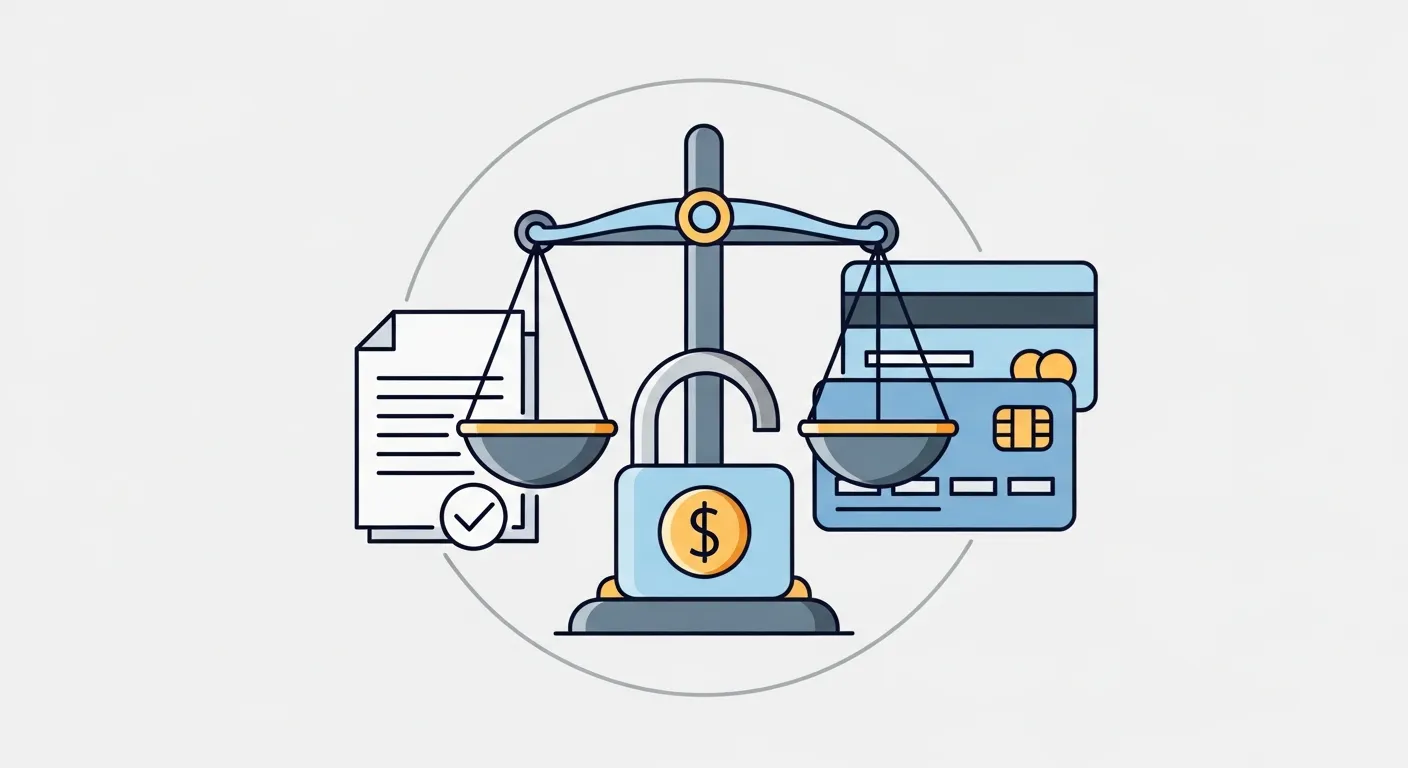
Influencer campaigns deal with contracts, compliance, and compensation, all of which need to be clarified in the brief.
Legal considerations
- Disclose whether influencers must include disclaimers (e.g., #Ad, #Sponsored).
- Specify compliance with local advertising laws and policies.
Compensation details
Be upfront about the payment amount, method, and schedule.
Example: “You will receive $500 for deliverables + additional product credits. Payment will be sent 7 days after the campaign goes live.”
7. Include Contact Information
Nothing slows a campaign faster than unclear communication channels. Make it easy for influencers to reach out.
Example contact details
- Campaign Manager Contact Information (Name, Email, Phone)
Asset Transfer Channels (Google Drive links, shared folders, etc.)
Usage Rights and Content Ownership
Clearly define how the brand can use influencer-generated content. Will the brand repost organically? Run paid ads? Feature content on websites or emails? Specify duration and platform rights. Some influencers charge additional fees for paid usage rights or extended licensing. Document these terms within the brief or contract. Clear ownership guidelines prevent future legal conflicts. Establishing usage rights upfront ensures both parties understand boundaries while maximizing campaign value.
Crisis Management Guidelines
Unexpected issues can arise during influencer campaigns. Include crisis management protocols in your brief. Outline steps influencers should take if negative feedback, misinformation, or controversies occur. Provide a designated brand contact for urgent matters. Clear crisis communication policies protect both brand reputation and influencer credibility. Having predefined action plans reduces panic and ensures quick, coordinated responses. This proactive approach demonstrates professionalism and risk preparedness.
Brand Story and Core Values
Influencers represent your brand voice to their audience. Include a short brand story and mission statement in the brief. Share your values, purpose, and long-term vision. Explain what differentiates your brand from competitors. Providing this context helps influencers communicate authentically rather than mechanically promoting products. When influencers understand your brand story, their content feels more natural and relatable. Authentic storytelling strengthens emotional connection and builds lasting audience trust.
Audience Insights and Data Sharing
Providing influencers with audience insights improves content targeting. Share customer behavior patterns, top-performing content themes, geographic focus, and engagement trends. Data-driven collaboration increases campaign precision. When influencers understand audience pain points and preferences, they can craft more relevant messaging. Insight sharing also shows professionalism and builds mutual trust. Collaborative data use enhances campaign personalization and effectiveness.
Multi-Channel Amplification Strategy
Influencer content shouldn’t exist in isolation. Outline how the campaign integrates with paid ads, email marketing, website banners, or PR efforts. Cross-promotion increases reach and ROI. For example, repurpose influencer content into retargeting ads or email campaigns. Coordinating across channels maximizes campaign visibility. A unified amplification strategy strengthens overall brand impact and ensures consistent messaging across platforms.
Post-Campaign Evaluation and Reporting
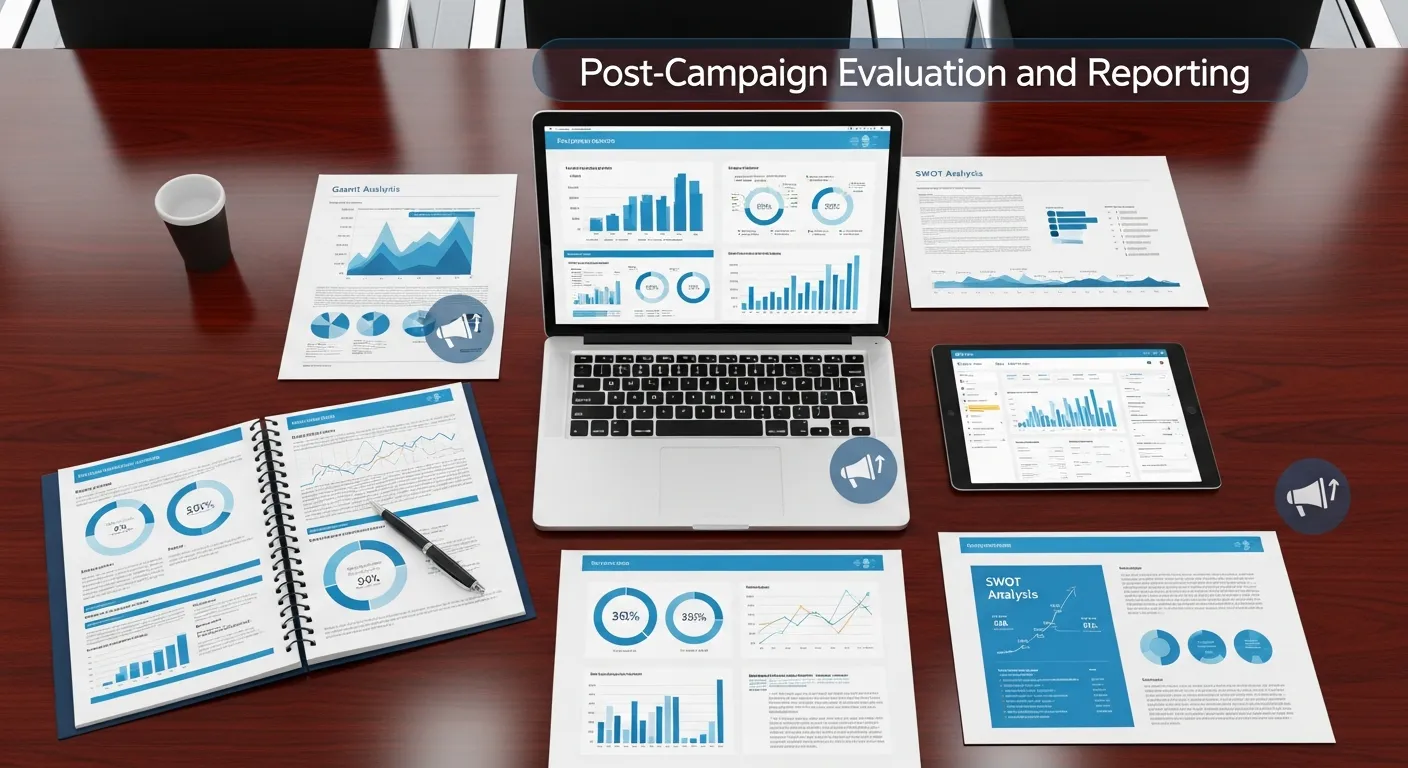 After campaign completion, conduct a structured performance review. Compare KPIs against initial goals. Analyze engagement patterns, conversion data, and audience feedback. Identify strengths and areas for improvement. Share performance summaries with influencers to build transparency and long-term partnerships. Post-campaign evaluation provides insights that refine future strategies. Continuous improvement strengthens influencer relationships and enhances overall marketing effectiveness.
Actionable Next Steps
A thoughtful influencer marketing brief is the basis for successful collaboration and campaigns. This ensures that the goals, deliverables and tone of your campaign are clear. This sets you and your influencers up for an effective partnership.
To reword this sentence as a proper conclusion:
Don’t miss out on the opportunity to coordinate a powerful influencer network with a fastidiously crafted guide. If you’re ready to draw up a brief but would like some reference materials, sign up for our Influencer Campaign Toolkit now and turn everything around.
Conclusion
A well-crafted influencer marketing brief is the foundation of every successful campaign. It aligns expectations, protects brand integrity, and empowers influencers to deliver impactful content. By clearly defining goals, deliverables, creative direction, timelines, legal requirements, and performance metrics, brands can avoid miscommunication and maximize ROI. Strategic planning combined with creative flexibility ensures authentic storytelling that resonates with audiences.
Don’t miss the opportunity to build a powerful influencer network with a thoughtfully crafted brief. If you’re ready to create your own but need guidance, explore our Influencer Campaign Toolkit and take your collaborations to the next level.
1. What is an influencer marketing brief?
An influencer marketing brief is a structured document that outlines campaign goals, deliverables, timelines, creative direction, messaging guidelines, legal requirements, and performance expectations. It acts as a roadmap for influencers, ensuring content aligns with brand objectives while maintaining clarity and consistency throughout the collaboration.
2. Why is a brief important?
A brief eliminates confusion by clearly defining expectations, responsibilities, and deadlines. It ensures consistent messaging, reduces back-and-forth communication, and improves workflow efficiency. With a well-prepared brief, both brands and influencers can collaborate smoothly and produce higher-quality, goal-driven content.
3. What should be included in a brief?
A comprehensive brief should include campaign objectives, target audience details, deliverables, platform specifications, creative guidelines, brand voice, timeline, legal disclosures, payment terms, and KPIs. Including these elements ensures transparency and sets clear performance benchmarks for influencers.
4. How detailed should the brief be?
The brief should be detailed enough to prevent misunderstandings but flexible enough to allow influencer creativity. Clear direction on messaging, goals, and compliance is essential, while leaving room for authentic storytelling that resonates with the influencer’s audience.
5. Should KPIs be included?
Yes, KPIs are essential for measuring campaign success. Including metrics such as reach, engagement rate, website clicks, conversions, and sales ensures that influencer content aligns with business goals and enables brands to evaluate overall campaign performance effectively.
6. How do you choose the right influencer?
Select influencers based on audience demographics, engagement rate, niche relevance, content quality, and alignment with brand values. Authentic engagement and strong audience trust are often more valuable than high follower counts.
7. What are common influencer deliverables?
Common deliverables include Instagram posts, TikTok videos, YouTube reviews, Stories, blog articles, unboxing videos, giveaways, and live sessions. The chosen format should align with campaign objectives and audience preferences.
8. Do influencers need legal disclosures?
Yes, influencers must include proper disclosures such as #Ad or #Sponsored to comply with advertising regulations. Clear disclosure maintains transparency, protects brand reputation, and ensures compliance with local and international marketing laws.
9. How do brands measure ROI?
Brands measure ROI by tracking metrics like engagement rates, impressions, clicks, conversions, promo code usage, affiliate sales, and overall revenue impact. Using tracking links and analytics tools helps accurately assess campaign effectiveness.
10. What are content usage rights?
Content usage rights define how brands can reuse influencer-created content across platforms, including websites, ads, emails, or social media. These rights should specify duration, placement, and whether paid promotion is allowed.
11. How long should campaigns run?
Campaign duration depends on objectives. Short-term campaigns may run for a few weeks, while brand awareness or ambassador programs can last several months. Clear timelines ensure structured execution and measurable results.
12. Can small businesses use influencer briefs?
Yes, small businesses benefit greatly from influencer briefs. Structured guidelines improve professionalism, ensure clear expectations, and maximize marketing budgets, helping smaller brands build credibility and grow strategically.