How Influencer Marketing Rebuilds Sustainable Brand Credibility

In the modern marketing landscape, influencer marketing is galloping along. From sponsoring posts on Facebook to Instagram takeovers and TikTok challenges, influencers possess the ability to shape opinion, set trends and even determine what product you will eventually buy.Of late, the tactic has taken on a broader purpose: sustainability. Though often used to push products or services, it now also plays an essential role in an effort more significant than any consumer goods.
Why Sustainability Is More Relevant Than Ever
For sustainability has become a major concern of consumers all over the globe. Seventy-seven percent of consumers surveyed in 2023 said they were prepared to pay more for sustainable products, which means that eco-friendly decision- making is well on its way. Climate change, resource depletion, and an increasing amount of waste management challenges are prompting this shift in direction.
But at the same time as companies around the world are trumpeting their sustainability achievements, skepticism is rising among consumers. Indeed, consumers are growing increasingly tired of what has come to be called greenwashing—when company Name which seem eco-friendly really isn’t and simply uses this reputation to make itself look better in the public eye. This is where influencers come in handy: their respected voices effectively act as bridges to connect the company and doubting consumers, giving a touch of credibility to tales about sustainability.
The Role of Influencers in Promoting Sustainability

Building Trust
Influencers thrive on personal connections. Unlike traditional marketing, which often feels like a one-way conversation, influencer marketing is rooted in trust and relatability. Influencers share their lives, opinions, and passions, building credibility and rapport with their audiences.
When an influencer champions a brand’s sustainability efforts, they bring an added level of authenticity. Their followers trust their recommendations, viewing them as reliable sources of information. This level of trust is invaluable for brands hoping to break through the noise and reach eco-conscious audiences.
Amplifying Awareness
Influencers are powerful storytellers who make complex sustainability topics easy to understand. Through engaging content—such as reducing plastic waste or explaining fair-trade products—they simplify environmental issues and inspire positive, practical action among their audiences.
Driving Action
Influencers don’t just educate; they encourage action. Through calls-to-action (CTAs) embedded in their content, influencers can nudge their audiences to adopt sustainable practices, whether that means buying ethical products, recycling, or supporting policy changes.
For example, a fashion influencer collaborating with a sustainable clothing brand might highlight not only the environmental benefits of choosing eco-friendly fabrics but also urge followers to rethink their consumption habits as a whole. This combination of messaging can spark both consumer behavior change and advocacy.
How Brands Can Use Influencer Marketing to Support Sustainability
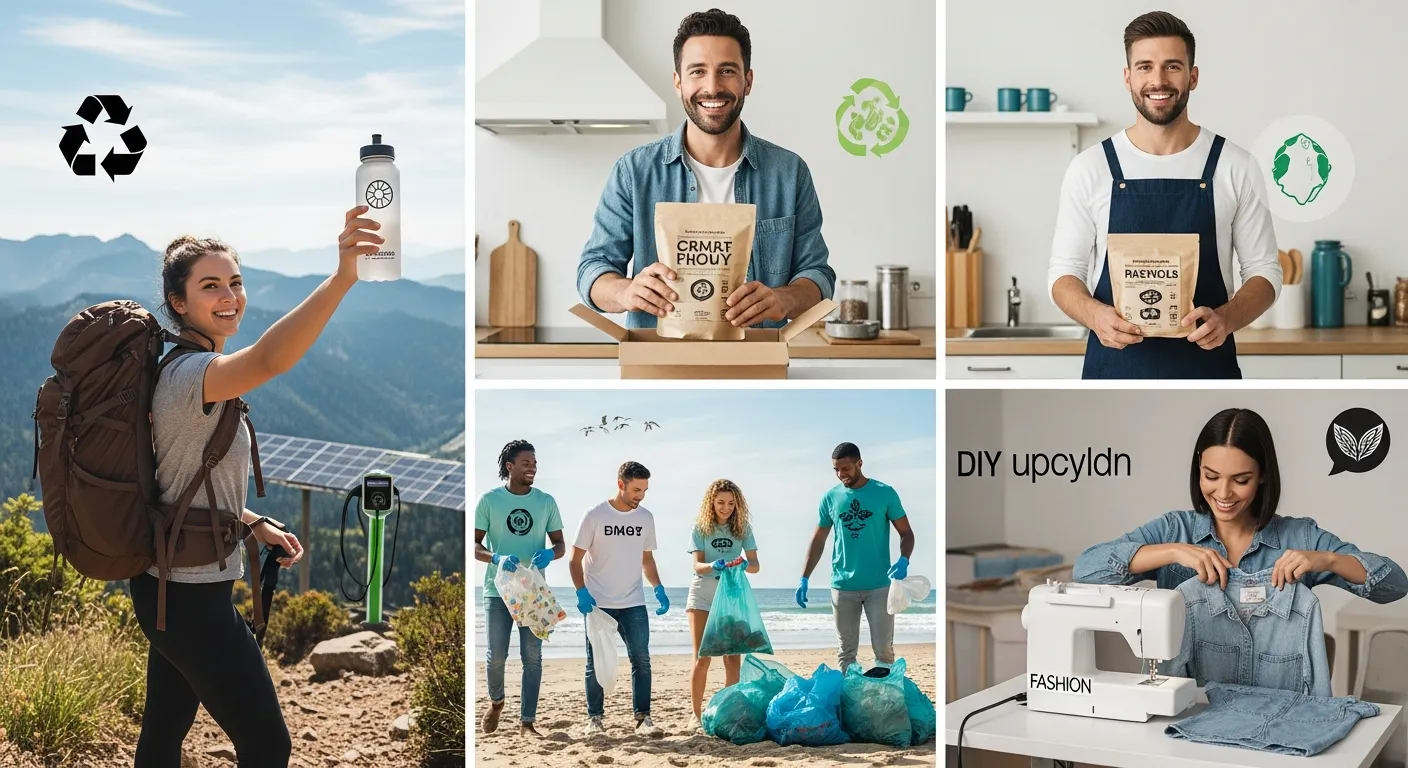
If you’re a brand looking to incorporate influencer marketing into your sustainability strategies, here’s how to do it effectively:
1. Collaborate With Value-Aligned Influencers
Look for influencers who genuinely care about sustainability rather than those who might promote it solely as a trend. Collaborating with someone who already incorporates sustainable practices into their personal brand ensures authenticity.
For example, lifestyle influencers like Immy Lucas from Sustainably Vegan or Leah Thomas from Green Girl Leigh focus heavily on environmental advocacy. Working with influencers like them not only signals your brand’s commitment to green initiatives but also helps you connect with the engaged communities they’ve built.
2. Promote Products With a Strong Sustainability Angle
Highlight tangible ways your products or services contribute to sustainability. Whether it’s using biodegradable packaging or sourcing materials responsibly, be upfront about your efforts while working with influencers who can amplify these details to your shared audience.
For example, outdoor retailer Patagonia frequently partners with environmental advocates to highlight how their products are not only durable and reliable but also made with recycled materials. Such partnerships reinforce the brand’s longstanding commitment to sustainability while connecting them with consumers who value purpose-driven businesses.
3. Educate and Tell Stories
People respond to emotional, informative, and visual storytelling. Influencers can craft compelling narratives that explain why sustainability matters and the actions your brand is taking to make a positive impact.
A great example is how sustainable beauty brand Lush collaborates with advocates to showcase the life cycle of their vegan, cruelty-free products, detailing their water conservation efforts and education campaigns. These stories resonate with audiences, deepening their connection to the brand.
4. Leverage User-Generated Content
Encourage influencers to get their followers involved by creating user-generated content (UGC). For instance, influencers might launch a campaign urging their community to post photos or videos of how they incorporate sustainability at home, tagging your brand.
Not only does UGC multiply engagement, but it also fosters a sense of community around the cause you’re promoting. People who participate will feel more invested in sustainability and your brand’s messaging.
5. Highlight Impact Metrics
Influencers can help you highlight measurable outcomes from your sustainability initiatives. Share specifics with your chosen collaborators, such as how many plastic bottles were saved, or how much CO2 was reduced through your efforts. Concrete metrics lend credibility to your claims and resonate deeply with a data-driven audience.
Examples of Brands Getting It Right
Many companies have successfully combined influencer marketing and sustainability to create significant impact. Here are a few noteworthy examples:
- Allbirds partnered with eco-conscious influencers to promote their carbon-neutral shoes, showcasing the marriage between sustainability and style.
- Who Gives a Crap, an eco-friendly toilet paper company, uses influencers to highlight the humor in everyday sustainability by featuring quirky, relatable content that champions waste-free living.
- Thrive Market, an online grocery retailer, collaborates with influencers to underline its sustainable and health-focused mission with community-driven narratives.
Integrate NFT Marketing for Sustainability Transparency
NFT marketing can support sustainability when used responsibly. Brands can mint NFTs tied to verified sustainability milestones, such as funding tree-planting initiatives or carbon offset projects. These NFTs can act as digital proof of impact, providing traceable blockchain records. Influencers can explain how NFT-backed transparency works and demonstrate verifiable environmental contributions. For example, limited-edition eco NFTs could grant access to sustainability reports or exclusive community events supporting green causes. However, brands must address concerns about blockchain energy use by selecting eco-friendly chains. When executed thoughtfully, NFT marketing can combine digital innovation with environmental accountability, appealing to tech-savvy, sustainability-conscious audiences.
Provide Educational Resources
Influencer campaigns should go beyond promotion to include educational content. Brands can collaborate with influencers to create explainer videos, infographics, or live discussions about sustainability topics. Education builds authority and trust. When audiences learn something valuable, they associate credibility with the brand. Providing research-backed information and expert insights enhances authenticity. Influencers can simplify complex environmental concepts, making them accessible and actionable. This strategy shifts perception from selling to serving. Educated consumers are more likely to support brands that contribute positively to awareness and knowledge.
Build Long-Term Influencer Partnerships
 Rebuilding sustainability credibility requires time. One-off influencer campaigns rarely shift perception. Instead, brands should cultivate long-term partnerships with value-aligned influencers. Ongoing collaborations allow influencers to track progress, share updates, and demonstrate commitment over time. Consistency strengthens trust and audience familiarity. Long-term storytelling builds narrative continuity, reinforcing brand authenticity. When influencers repeatedly advocate for a brand’s sustainability journey, it signals genuine alignment rather than temporary promotion. Sustainable transformation is a marathon, and enduring partnerships mirror that reality.
Challenges to Be Aware Of
While influencer marketing has the potential to drive change, it’s important to approach it strategically. Over-promising or exaggerating green initiatives can backfire, especially in an era where consumers are hyper-aware of greenwashing. Always ensure that your messaging aligns with verifiable actions and data.
Additionally, remember that authenticity matters. Audiences can tell when an influencer has a genuine connection with the brand, so focus on long-term partnerships rather than one-off campaigns.
Taking the First Step
The collision of influencer marketing and sustainability is a unique chance for brands to do good as they connect with their audiences on a deeper level. By collaborating with value-driven influencers, promoting true stories and promoting real results, businesses have the power to make substantial change a reality.In conclusion, influencer marketing has greatly expanded businesses’ marketing channels over the past few years. Through this practice, companies find new customers and prevailing attitudes within the market that result in higher sales.But how does a brand that has not done very well in terms of sustainable development still expect to use influencer marketing and turn things around?
Conclusion
Influencer marketing offers struggling brands a second chance to rebuild sustainability credibility—but only through honesty, transparency, and measurable progress. Instead of masking weaknesses, brands should embrace improvement journeys and collaborate with authentic, value-driven influencers. When storytelling aligns with real action, sustainability becomes more than marketing—it becomes transformation. By integrating NFTs responsibly, supporting certifications, encouraging community engagement, and maintaining long-term partnerships, brands can shift perception and create genuine environmental impact. Trust is not bought; it is built through consistent action and authentic communication.
Frequently Asked Questions (FAQs)
1. What is greenwashing?
Greenwashing occurs when a company falsely promotes itself as environmentally friendly without meaningful action. It often involves vague claims, misleading labels, or exaggerated sustainability achievements designed to attract eco-conscious consumers without delivering measurable environmental impact.
2. Can a brand with weak sustainability still use influencer marketing?
Yes, but only after committing to genuine, measurable improvements. Brands must acknowledge current shortcomings, set clear sustainability goals, and transparently communicate progress. Influencer marketing should amplify real change—not attempt to disguise weaknesses or mislead audiences.
3. Why are influencers effective in sustainability campaigns?
Influencers build strong personal connections with their audiences, making their recommendations feel authentic and relatable. They can simplify complex environmental issues, create engaging storytelling, and motivate followers to adopt more sustainable purchasing and lifestyle behaviors.
4. What role does transparency play in sustainable influencer marketing?
Transparency builds credibility by openly sharing sustainability goals, challenges, and measurable results. When influencers communicate verified data instead of vague claims, audiences feel informed and reassured, significantly reducing skepticism and concerns about greenwashing practices.
5. Are micro-influencers better for sustainability messaging?
Micro-influencers often generate higher engagement rates and deeper audience trust. Their smaller, niche communities value authenticity, making sustainability messages feel more genuine, conversational, and impactful compared to broad, celebrity-driven promotional campaigns.
6. How can brands measure sustainability impact effectively?
Brands can track carbon footprint reductions, waste diversion rates, sustainable sourcing percentages, ethical labor audits, and third-party certifications. Sharing these quantifiable metrics through influencers strengthens credibility and demonstrates commitment to measurable environmental progress.
7. How do brands avoid greenwashing accusations?
Brands should support claims with verified data, independent certifications, and consistent progress updates. Acknowledging limitations, avoiding exaggerated promises, and maintaining honest communication help prevent reputational damage and consumer distrust.
8. Should sustainability be treated as a campaign or a long-term strategy?
Sustainability must be integrated into the brand’s long-term mission rather than used as a short-term marketing tactic. Ongoing commitments, regular reporting, and continuous improvements ensure authenticity and sustainable business transformation.
9. How often should sustainability progress be communicated?
Regular updates—quarterly, biannually, or annually—help maintain accountability. Influencers can share milestone achievements and progress reports, reinforcing transparency and demonstrating that sustainability efforts are consistent and evolving over time.
10. What industries benefit most from sustainable influencer marketing?
Industries such as fashion, beauty, food, consumer goods, technology, and outdoor lifestyle benefit significantly. These sectors often face environmental scrutiny, making transparent sustainability storytelling a powerful differentiation strategy.
11. Can NFTs support sustainability marketing responsibly?
Yes, NFTs can provide blockchain-based proof of sustainability milestones, such as verified carbon offsets or eco-project funding. However, brands must use environmentally friendly blockchain networks to avoid contradicting their sustainability claims.
12. Is influencer marketing expensive for sustainability campaigns?
Costs vary depending on influencer size and campaign scope. However, partnering with micro or nano influencers often delivers cost-effective results, higher engagement rates, and stronger trust compared to expensive celebrity endorsements.