The Psychology Behind Influencer Marketing and Impulse Buying
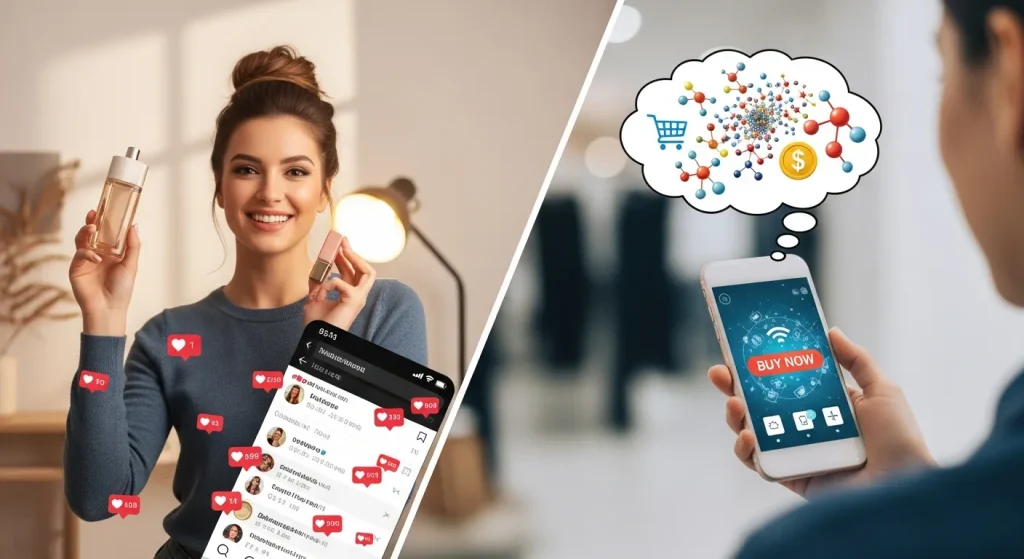
Influencer marketing is about harnessing the power of individuals who have built strong, often niche, audiences on social media. These influencers are able to move purchases by promoting products that reflect their own interests and character traits.
Types of Influencers
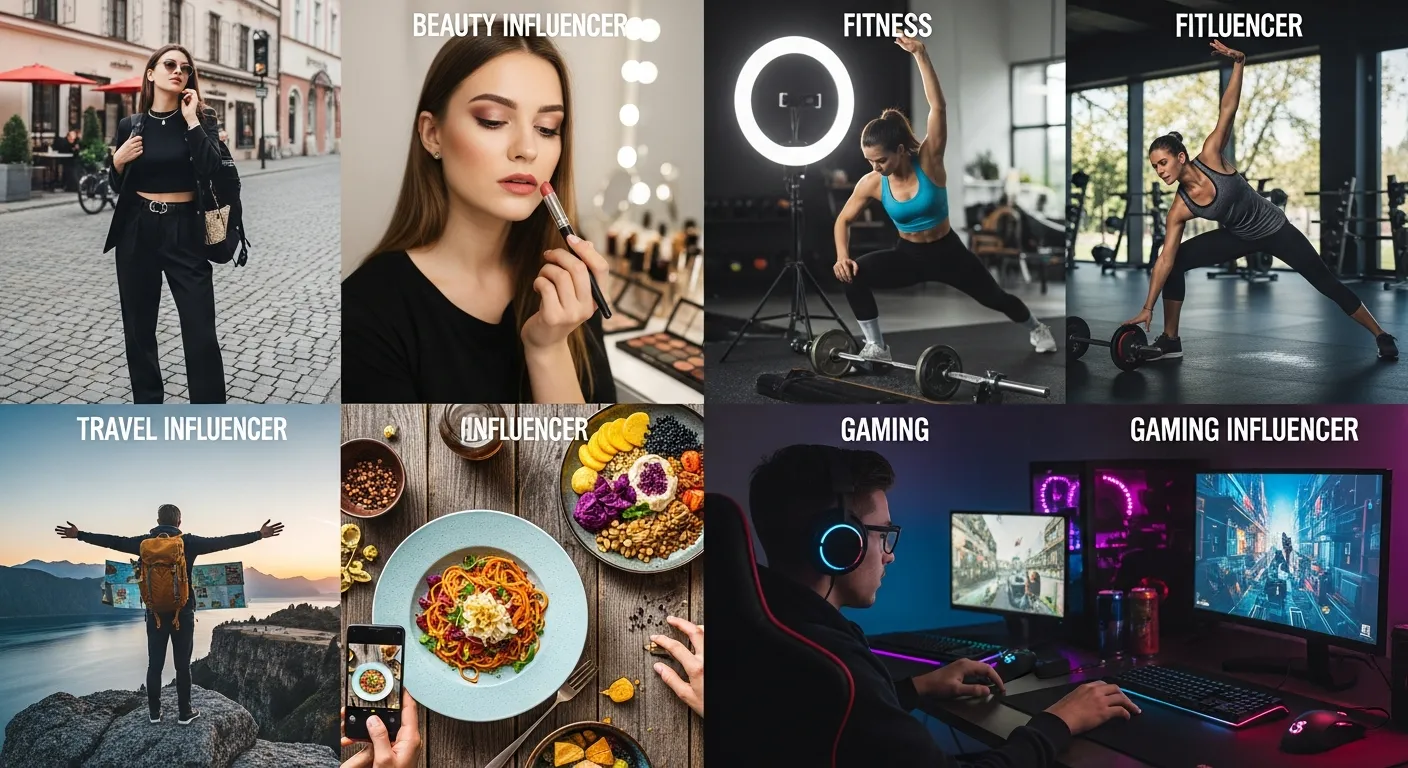
- Micro-Influencers: Those who have a smaller, highly engaged audience (typically less than 50,000 followers). Seen as more relatable, they are able to exert influence in niche markets.
- Macro-Influencers: These influencers have a larger following (50,000–500,000 followers) and are represented in a broader demographic. However, they miss out on the personal intimacy found within micro-influencers.
- Celebrity Influencers: Celebrities with millions of followers have unparalleled reach. However, their power may be automaton-like without any personal touch to it all–or affecting people just as objects rather than human beings who were empowered or invented by them to respond back accordingly.
Authentic Storytelling & Content Strategies
- Authentic Storytelling: Helping the subject use personal experience with a product to make suggestions more authentic.
- Engaging Content Formats: By making use of video, live streams, and behind-the-scenes content, a sense of exclusivity is born.
- Limited-Time Offers: Using flash sales and exclusive discounts to create a sense of urgency.
- Social Proof: Advocacy from users and reviews to build trust.
Deciphering the Causes of Impulse Buying
Declaration of Impulse Buying
Impulse buying refers to unplanned purchases that are emotional in nature. According to Marketing and Psychology, this behaviour comes from an interaction between the emotions of customers, situational characteristics, and external stimuli such as prevalent advertisements or sales promotions.
Triggers and Motivations for Impulse Buying
- Positive Emotional States:
Feeling happy makes consumers more prone to impulse consumption behaviour. - Visual Appeal:
Capturing the attention of buyers is something that marketers often get help with by way of influencers who are “good at packing” (nice-looking packaging). - Limited Availability:
The idea that a product might be “sold out” inspires fear of missing out (FOMO) and drives spontaneous decisions. - Social Pressures:
Seeing peers or influencers use certain products leads individuals to mimic their choices.
A research project run in the Journal of Consumer Psychology shows that people who experience constraints on their time or strong emotional arousal are much more likely to purchase impulsively.
The Interplay of Influencer Marketing and Impulse-Buying
How Influencers Create Want and Desire
Influencers are always perfect at combining relatability with authority, making people feel both a longing for more and nostalgic over what they already have. When they passionately share how a product has improved their lives, they communicate aspiration and excitement to followers. Together with time-sensitive internet promotions–for example exclusive limited offers to followers who hurry online and enter into contracts right away–influencers are adding pressure that nudges consumers toward sudden decisions. Influencers on Instagram Stories do this all the time during sudden bursts of impulsive buying.
The Role of Social Proof and Trust
Social proof is the backbone of impulse sales. People accord value and desirability to a product by seeing that other people like themselves are using it. In addition, trust builds upon this honour. A lot of people trust influencers because they seem so real, so expert. Data from Public Relations Review indicates that consumers are more likely to buy goods from authentic and genuine influencers.
Examples of Influencer Campaigns
- Successful Campaign:
Just a few minutes after Kylie Jenner’s skincare product launch was promoted via all her social media profiles, it sold out. Driven by the fan base she has cultivated, followers scrambled to make quick, often unwanted purchases.
Unsuccessful Campaign:
On the other hand, influencer campaigns must be authentic. Promotions that slip out of sight don’t take long to be exposed as paid advertisements. People realise this is not real. Then trust and sales both plunge.
Peer-Reviewed Proof
- A report published in the Journal of Social Media looked at how micro-influencers increased impulse buying rates by 25% through limited offers, together with authentic storytelling.
- Another piece of research from The Global Journal of Business Research found that 63% of consumers admitted they had made article-purchase impulse buys after seeing influencer promotions on social media.
These studies point to a connection, but limitations like sample size and cultural differences indicate the need for broader research.
Ethical Issues
Transparency and Disclosure
The public has a right to cooperate. The difference between publicity and advertising can deceive consumers into believing that endorsements are real–thus intensifying its impulse buying behaviour.
Responsible Advertising
Ethical norms are essential for human dignity and prosperity. The Federal Trade Commission’s mandatory disclosure requirements represent a standard that is desirable to have universally. Both influencers and brands must take responsibility for promoting products genuinely. They should not exploit defenceless customers by means of subtle or subliminal advertising.
Strategies for Consumers
- Buy Later:
Wait 24 hours before making a purchase promoted by an influencer to see if you really need the item. - Evaluate the Credibility of Influencers:
Research the influencer’s credibility and expertise before taking their word. - Recognize What Prompts You into Impulse Buying:
Identify your personal triggers and assess whether your reaction is truly beneficial for you. - Change Your Mind / Set Limits on Spending:
Set a budget for non-essential purchases (e.g., $500 per month) to avoid overbuying.
Navigating Influences on Impulse Buying
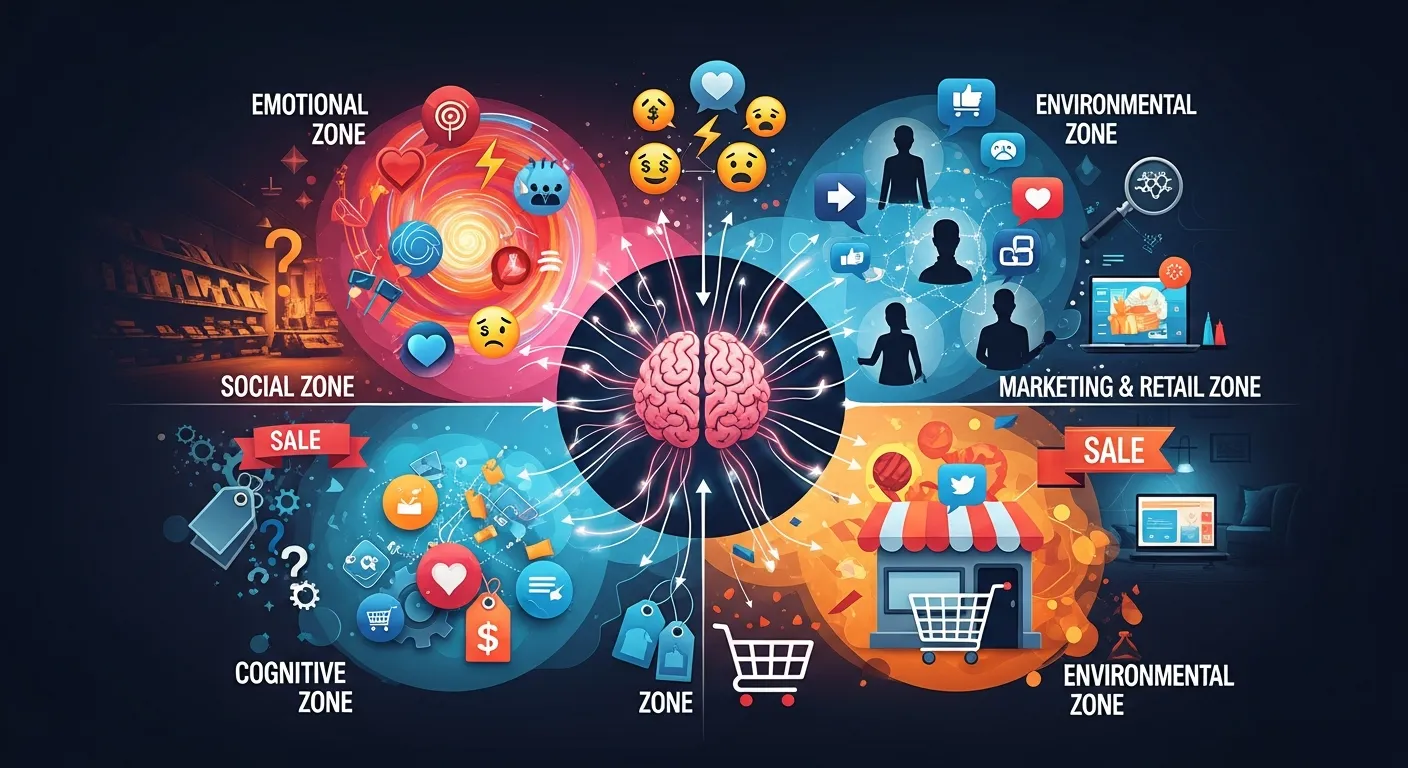
Influencer marketing and impulse buying are a fascinating yet complex interplay. By evoking emotions, building trust, and leveraging urgency, influencers have tapped into one of the most powerful consumer behaviours. However, ethical practices and mindful consumer habits are critical to ensuring that this powerful tool benefits both marketers and their audiences.
For researchers, such a scenario offers exciting new opportunities to better understand consumer behaviour in the digital era. For consumers, awareness of these subtle tactics is the first step toward smarter, more conscious purchasing decisions.
Community Influence and Digital Herd Behaviour
Online communities amplify influencer impact. When followers comment positively, share experiences, or tag friends, collective validation reinforces product desirability. This phenomenon reflects herd behaviour, where individuals mirror group decisions to reduce uncertainty. Digital comment sections serve as real-time testimonials. Seeing hundreds of users express excitement or satisfaction reduces perceived risk. The need for social belonging encourages individuals to adopt similar purchasing behaviour. Community-driven engagement transforms influencer campaigns into shared experiences rather than isolated advertisements. This social reinforcement intensifies impulse buying, as individuals seek inclusion and validation within their online social circles.
Personalization and Data-Driven Campaigns
Modern influencer campaigns rely heavily on data analytics to personalize content. Brands analyze audience demographics, browsing behaviour, and engagement patterns to tailor promotions precisely. Personalized messaging increases perceived relevance, making consumers feel that the product aligns perfectly with their needs. When recommendations feel customized, resistance decreases. Influencers may segment audiences through targeted stories or region-specific discount codes. This precision marketing enhances conversion rates and reduces hesitation. Personalization also increases emotional resonance, strengthening impulse tendencies. As data technology advances, influencer campaigns become more adaptive, creating highly optimized purchasing pathways that subtly guide followers toward quick, emotionally driven decisions.
Short-Form Video and Instant Gratification
Short-form video platforms like TikTok and Instagram Reels promote rapid content consumption. Fast-paced demonstrations and quick testimonials reduce attention span for detailed evaluation. When purchasing links are embedded directly into videos, friction is minimized. This seamless experience supports instant gratification behaviour. The quicker the path from desire to checkout, the higher the likelihood of impulse buying. Short-form content often emphasizes transformation results rather than long explanations, which appeals to emotionally driven consumers. The combination of entertainment and commerce makes purchasing feel spontaneous and effortless. This structure significantly accelerates decision-making processes in digital environments.
Influencer Marketing in NFT and Web3 Ecosystems
Influencer marketing has expanded into NFT and Web3 spaces, where trust and community are essential. NFT influencers often educate audiences about blockchain projects, digital collectables, and token utilities. Because NFTs involve financial risk and technical complexity, influencer credibility becomes even more critical. Limited NFT drops and whitelist access intensify scarcity-driven impulse behaviour. Community-driven hype in Discord and Twitter spaces accelerates purchasing decisions during mint phases. However, volatility and speculation increase ethical concerns. Transparent communication, risk disclosure, and long-term value focus are crucial in NFT influencer campaigns. In decentralized ecosystems, influencers act not only as promoters but also as community builders and educators.
Cross-Platform Campaign Integration
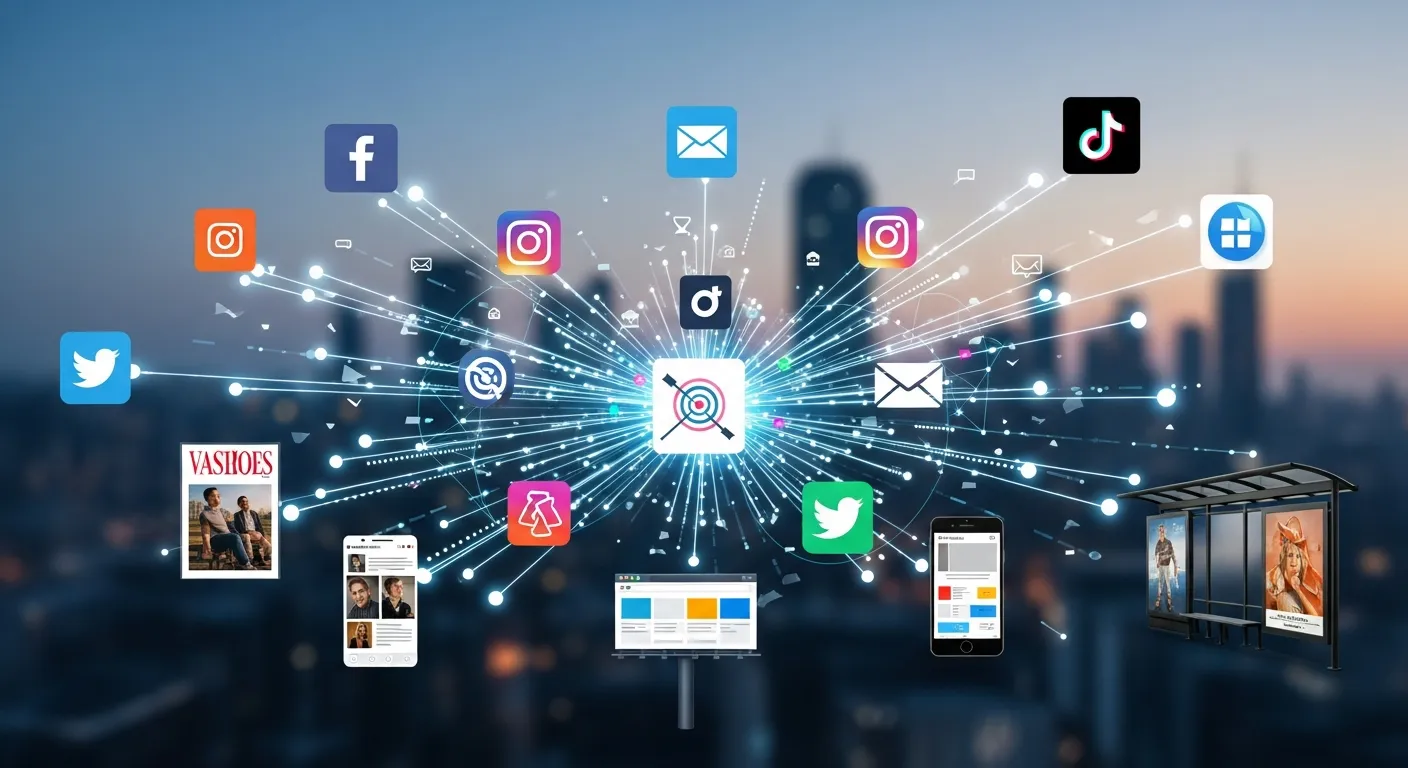
Successful influencer campaigns rarely exist on one platform alone. Brands coordinate Instagram posts, YouTube reviews, TikTok videos, and email promotions simultaneously. Cross-platform exposure reinforces credibility and increases frequency of contact. Seeing the same influencer promote a product across multiple channels strengthens authority perception. This integrated approach enhances recall and builds persuasive momentum. Each platform contributes unique influence — long-form reviews build trust, short-form videos create excitement, and stories drive urgency. The synergy of multiple touchpoints increases consumer confidence while accelerating impulse tendencies through constant exposure and emotional reinforcement.
Long-Term Brand Equity vs Short-Term Impulse Gains
While impulse buying drives immediate revenue, brands must balance short-term sales with long-term credibility. Overusing urgency tactics or promoting irrelevant products may damage trust. Sustainable influencer marketing focuses on relationship building rather than quick conversions. When followers perceive authenticity and consistent values, brand loyalty increases. Ethical transparency and genuine partnerships support repeat purchasing rather than one-time impulse transactions. Brands that prioritize long-term equity often experience stronger lifetime customer value. Therefore, responsible influencer marketing combines psychological insight with ethical responsibility to maintain trust while encouraging purchasing behavior.
Conclusion
Influencer marketing and impulse buying share a deep psychological connection rooted in emotion, trust, urgency, and social validation. While influencers provide brands with unprecedented persuasive power, ethical responsibility remains essential. Consumers must remain aware of triggers that shape their purchasing decisions. By balancing marketing innovation with transparency and consumer mindfulness, digital ecosystems can foster both commercial growth and informed decision-making. Future research and regulation will further shape how influence operates within evolving digital economies.