How Targeted Marketing Affects Where You Spend Your Money

That ad for your dream vacation appeared obediently in a browser window mere seconds after you’d been Googling “top holiday destinations.” A perfectly tailored Instagram post suddenly showcases the latest sneakers you were casually browsing yesterday. A YouTube pre-roll ad reminds you about the exact laptop sitting in your abandoned cart. It feels almost magical—like the internet understands you.
It’s incredibly convenient. You discover products faster. You save time searching. You’re shown deals aligned with your interests. But have you ever paused to consider how this precision targeting influences your shopping habits?
What seems like a coincidence is actually a carefully engineered system powered by data, behavioural tracking, and predictive algorithms. Every click, scroll, pause, and search query contributes to a digital profile built around your preferences. Brands don’t just advertise randomly anymore—they anticipate. They analyze patterns in your behaviour, compare them with millions of other users, and predict what you are most likely to want next.
This hyper-personalization subtly reshapes how you shop.
Instead of actively searching for products, products now find you. Instead of comparing multiple options independently, curated recommendations narrow your choices before you even begin. The line between discovery and persuasion becomes blurred. You feel in control, yet the environment guiding your decisions has already been customized to influence you.
Targeted marketing doesn’t simply respond to demand—it helps create it.
When ads consistently align with your interests, they lower resistance. Familiarity builds comfort. Repetition builds trust. Urgency builds action. Over time, these subtle nudges can shift spending from intentional to impulsive. What starts as browsing can quickly turn into buying—not because you needed something urgently, but because it felt relevant, timely, and personally designed for you.
Targeted Marketing Fundamentals
What’s Targeted Marketing?
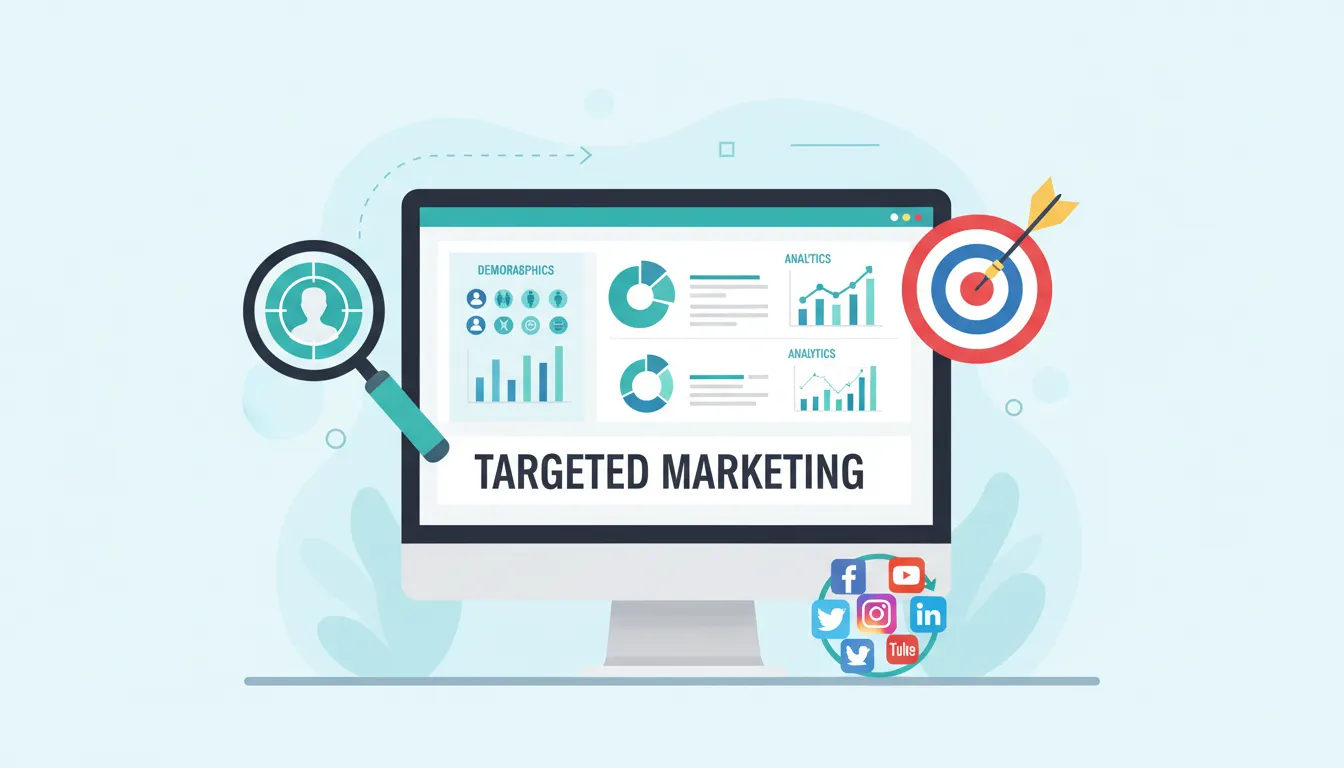
At its core, targeted marketing is a technique used to deliver messages and promotions to a specific audience segment. This means that advertising is now targeted around the preferences and needs of individual consumer groups rather than being universally appealing.
In today’s world, where brands rely on data to dig deep into their customers’ behavioural patterns, this results in hyper-personalised campaigns that address only your concerns and desires.
Another way firms make use of data: tracking your online searches, social media activity, or purchases in other channels. But this is not as intrusive—they are providing things you want, which are pertinent to what consumers currently need, without sending irrelevant ads everywhere.
However, it raises questions about whether these campaigns influence people’s spending decisions.
How Does It Work?
Targeted marketing is really about data collection—and sophisticated analytics. Here’s the process:
- Behavioral Tracking:
Businesses log your searches, clicks, and purchases. For example, after searching “noise-cancelling headphones,” browsing various websites, and revisiting them, businesses know which brands to advertise to you. - Demographic Segmentation:
Advertisers categorize you by age, gender, location, income bracket, etc., to ensure their campaign fits your lifestyle. - Psychographics:
They explore your personality, tastes, values, and lifestyle choices to form campaigns that resonate deeply. - Retargeting Ads:
Those persistent ads you see across websites? They’re based on your previous interactions with a brand or product.
This tight targeting makes shopping more convenient—but also subtly shapes your purchasing decisions.
How Targeted Marketing Affects Your Spending Habits
1. It Encourages Impulse Shopping
Have you ever bought something you hadn’t planned to after seeing a well-timed ad? Targeted marketing exploits human psychology, especially impulse buying tendencies.
Flash sales or limited-time offers—like “Only 5 left in stock” or “Offer ends in 2 hours”—trigger FOMO (Fear Of Missing Out), pushing you toward quick purchases.
Tip: Sleep on unplanned purchases for 24 hours to decide with a clear head.
2. Fosters Emotional Spending
Targeted ads don’t just appeal to logic—they go straight for your emotions. They suggest products will solve a problem or boost self-worth, confidence, or lifestyle.
Example: Fitness brands using inspiring stories or affirmations push consumers toward gym memberships or workout gear.
Tip: Ask yourself—does this meet an actual need, or is it emotional gratification?
3. Builds Brand Loyalty
Consistent engagement with a brand via targeted ads builds familiarity and trust. Brands also create community-driven campaigns and loyalty programs.
Example: Starbucks gives frequent customers gift points and suggestions through its app, subtly encouraging repeat purchases.
Tip: Watch out for loyalty programs that increase buying frequency even when it’s not needed.
4. Makes Spending Feel Justified
Targeted ads often frame purchases as smart investments—whether in health, productivity, or happiness.
Example: Repeated ads promoting ergonomic chairs for long-term health make the purchase feel necessary.
Tip: Compare product claims with reviews and alternatives before buying.
5. Normalizes Spending Through Social Proof
Seeing “Join 10,000+ happy customers” or influencer endorsements makes a product feel validated and worth buying.
Tip: Look for verified reviews from independent sources before trusting social proof.
How to Take Control of Ongoing Marketing
While focused marketing has advantages, it’s crucial to stay in control of your spending. Here’s how:
- Make a Budget:
Separate essentials from luxuries to avoid impulse splurging. - Check Your Motivation:
Is this a need or just a want? - Stop Tracking Ads:
Adjust app or browser settings to limit targeted ads. - Unsubscribe from Pushy Sales Emails:
Clear your inbox of temptations to buy. - Do Research Before You Buy:
Even if an ad led you there, compare prices and reviews before purchasing.
Mobile Shopping and Instant Gratification

Smartphones have intensified the impact of targeted marketing. Push notifications, in-app ads, and personalized product recommendations reach users instantly. Mobile convenience shortens the decision-making cycle, increasing impulse purchases. One-click checkout and digital wallets remove friction from transactions. Location-based targeting adds another layer, offering promotions when consumers are near physical stores. This real-time personalization encourages spontaneous buying. Mobile platforms blend entertainment and shopping seamlessly, making advertisements feel like content rather than promotions. By recognizing this integration, consumers can pause before making instant purchases and reflect on whether convenience is driving spending more than actual necessity.
Influencer Marketing and Personalized Trust
Influencer marketing complements targeted marketing strategies. Brands collaborate with influencers whose audiences match specific demographics and interests. When users interact with influencer content, algorithms amplify similar promotional posts. This creates a perception of trusted recommendations rather than direct advertising. Audiences feel a personal connection with influencers, which increases persuasion power. Personalized product suggestions integrated into lifestyle content blur the line between advice and advertisement. As a result, purchasing decisions feel authentic and self-directed. Understanding this dynamic encourages critical evaluation of sponsored content and reduces the likelihood of emotionally driven spending decisions.
Seasonal Campaigns and Behavioral Timing
Targeted marketing becomes especially powerful during seasonal events. Holidays, festivals, and shopping events like Black Friday rely on data-driven targeting. Brands analyze previous seasonal purchases and send personalized reminders or early-bird offers. Behavioural timing plays a crucial role; consumers are already primed to spend during these periods. Limited-time offers and countdown timers intensify urgency. Personalized discounts make deals feel exclusive. This combination increases transaction frequency and cart value. Recognizing how seasonal anticipation influences spending helps consumers plan budgets rather than reacting impulsively to time-sensitive promotions.
The Impact on Financial Discipline
Continuous exposure to personalized ads can weaken financial discipline. Even budget-conscious individuals may struggle when faced with tailored offers aligned with their interests. Micro-spending, such as small digital purchases or discounted add-ons, accumulates over time. Targeted marketing reduces friction in decision-making, encouraging quick transactions without deeper evaluation. However, financial discipline strengthens when consumers track expenses and set clear savings goals. Awareness of targeting techniques allows individuals to separate marketing influence from genuine needs. By reviewing spending habits regularly, consumers can maintain control and prevent personalized marketing from disrupting long-term financial stability.
Targeted Marketing in E-commerce Ecosystems
E-commerce platforms integrate targeted marketing directly into their infrastructure. Personalized homepages, “recommended for you” sections, abandoned cart reminders, and tailored email campaigns work together to maximize conversions. These ecosystems collect cross-platform data, refining user profiles across devices. Dynamic pricing strategies may adjust offers based on browsing behavior. Cross-selling and upselling techniques increase order value. While this enhances convenience, it also creates a highly persuasive shopping environment. Consumers should compare external options and avoid relying solely on platform suggestions. Expanding research beyond recommended listings reduces algorithm-driven spending bias.
NFT Marketing and Hyper-Personalized Campaigns
Targeted marketing plays a transformative role in NFT marketing. NFT projects rely heavily on community-based targeting through Discord, Twitter (X), Telegram, and Web3 platforms. By analyzing wallet behavior, engagement patterns, and blockchain activity, marketers identify collectors most likely to invest. Personalized airdrops, whitelist offers, and early access rewards create exclusivity and urgency. Influencer collaborations within crypto communities amplify credibility. Data-driven targeting ensures that NFT promotions reach audiences already interested in digital assets. However, hype-driven targeting can also encourage speculative purchases. Investors must conduct research beyond promotional messaging to ensure informed participation in NFT ecosystems.
Ethical Considerations in Targeted Marketing
As targeted marketing evolves, ethical questions become increasingly important. Transparency, consent, and responsible data usage determine long-term consumer trust. Over-targeting can feel manipulative if consumers perceive a loss of autonomy. Ethical brands focus on clarity, opt-in permissions, and value-driven messaging. Regulations such as data protection laws aim to protect user privacy and encourage accountability. Companies that prioritize ethical practices build sustainable relationships rather than short-term sales spikes. For consumers, understanding ethical standards helps identify trustworthy brands and avoid manipulative marketing tactics designed purely to maximize spending.
Coping with Targeted Marketing
Targeted marketing is a reality in today’s digital economy. While it can simplify your shopping experience, it also shows how deeply advertisers can sway your choices.
Mastering how to sidestep these influences and stay mindful of your finances empowers you to make smarter, more intentional spending decisions.
Do not buy something just because it has been tailormade for you. Be intentional. Be mindful. Stay in control of your wallet.
Conclusion
Targeted marketing has reshaped the digital marketplace. It delivers convenience, personalization, and relevant product discovery. However, it also influences emotional responses, impulse purchases, and long-term spending behaviour. By understanding how data-driven campaigns operate, consumers can maintain financial discipline and make intentional buying decisions. Awareness is the key to balancing personalization benefits with mindful spending.
FAQs About Targeted Marketing
1. What is targeted marketing?
Targeted marketing is a data-driven strategy that delivers personalized advertisements to specific audience segments based on demographics, interests, online behavior, and purchasing patterns. Instead of mass advertising, brands focus on consumers most likely to engage or convert, improving campaign efficiency and return on investment.
2. How does targeted marketing collect data?
Targeted marketing collects data through cookies, browsing history, search queries, social media engagement, purchase records, mobile app activity, and sometimes location tracking. This information is analyzed using algorithms and machine learning tools to build detailed consumer profiles that predict preferences and buying intentions.
3. What is retargeting?
Retargeting is a form of targeted marketing that shows ads to users who previously interacted with a website, product, or brand. For example, if you view a product but don’t purchase it, you may later see ads reminding you about it across different platforms.
4. Why do I see ads after searching for a product?
When you search for or browse a product, tracking technologies record that interaction. Advertisers then use retargeting systems to display related ads across websites, social media, and apps. This keeps the product visible, increasing the chances of eventual purchase through repeated exposure.
5. Does targeted marketing increase impulse buying?
Yes, targeted marketing can encourage impulse buying by presenting highly relevant ads at the right moment. Urgency tactics like limited-time offers, low-stock alerts, and exclusive discounts trigger emotional responses, reducing decision-making time and increasing spontaneous purchases.
6. How does targeted marketing impact finances?
Targeted marketing can increase spending frequency by consistently exposing consumers to relevant products and personalized deals. Small, repeated purchases may seem harmless individually but can accumulate significantly over time if spending habits are not monitored carefully.
7. Does targeted marketing affect brand loyalty?
Yes, personalized communication and consistent engagement build familiarity and trust. When consumers repeatedly see relevant ads, recommendations, and tailored offers from a brand, they are more likely to develop loyalty and choose that brand over competitors.
8. Is targeted marketing legal?
Targeted marketing is legal in most countries, provided companies comply with data protection laws such as GDPR or other privacy regulations. Businesses must disclose data collection practices and often require user consent before tracking personal information.
9. Are personalized ads always accurate?
No, personalized ads rely on predictive algorithms, which are not perfect. Sometimes ads may be based on outdated searches, shared devices, or incorrect assumptions. While systems improve over time, they can still misinterpret user intent.
10. Can I stop targeted ads?
While you may not eliminate them, you can reduce targeted ads by adjusting privacy settings, clearing cookies, disabling ad personalization, using browser tracking prevention tools, or installing reputable ad-blocking extensions to limit data collection.
11. How can consumers protect their privacy?
Consumers can protect privacy by reviewing platform permissions, limiting app tracking, avoiding unnecessary data sharing, using private browsing modes, enabling two-factor authentication, and regularly checking account privacy settings to control how information is used.
12. Is targeted marketing used in NFT marketing?
Yes, targeted marketing plays a major role in NFT marketing. Projects analyze wallet behavior, community engagement, and blockchain activity to identify potential collectors. Personalized airdrops, whitelist spots, and exclusive offers are used to attract high-intent buyers.