What Percentage of Companies Use Influencer Marketing?
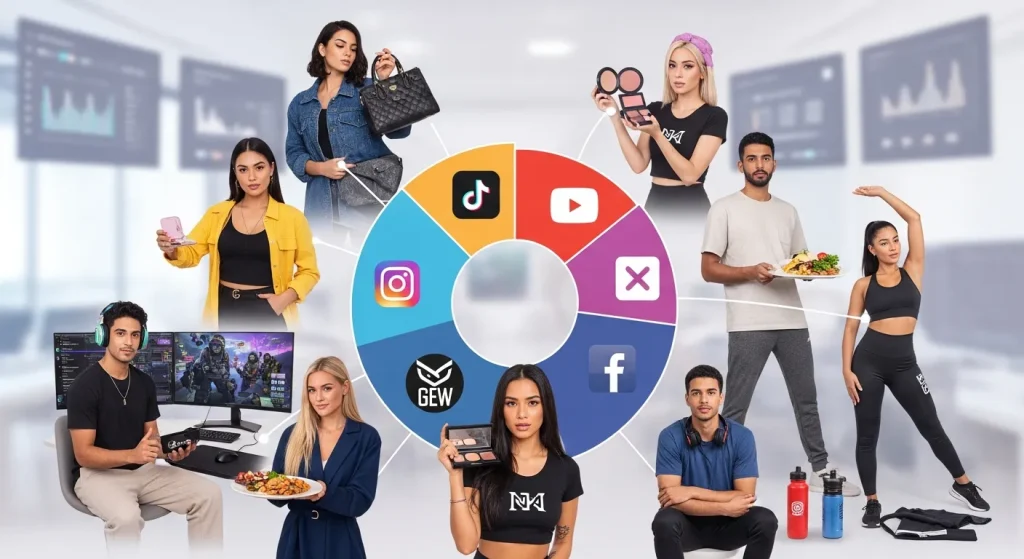
Discover the rise of influencer marketing, its industry adoption, key strategies, and benefits. Learn how businesses leverage influencers to boost brand awareness, trust, and ROI, with actionable insights and FAQs for effective campaign implementation.
In the modern digital landscape, the question is no longer “should we use social media?” but rather “who should talk about us on social media?” Influencer marketing has evolved from a trendy buzzword into a fundamental pillar of modern advertising. Brands across every imaginable sector—from high-tech SaaS platforms to local artisanal bakeries—are adopting influencer marketing tactics to reach their target audience in a sincere, interactive, and highly effective manner.
So, how many companies are actually using influencer marketing as part of their broader advertising strategy? You may be surprised by the sheer scale of adoption. This week, we are diving deep into the hottest data surrounding the industry, exploring why it is being embraced en masse, and analyzing how companies are leveraging social media personalities to raise brand awareness.
Whether you are a small business owner looking for your first collaboration or a seasoned marketing executive refining a global strategy, this comprehensive guide will help you grasp why influencer marketing is not just popular but an inevitable bandwagon your business needs to jump on.
The Global Rise of Influencer Marketing
The era of traditional advertising dominance is waning. Consumers are smarter, more skeptical, and armed with ad-blockers. In this environment, the emergence of influencer marketing has provided a lifeline for brands seeking authentic connections. It is no longer a testing-ground experiment; it is a global multi-billion-dollar business engine.
The Explosion of Budget and Trust
Now that more companies than ever are incorporating influencer marketing into their annual budgets, the approach has solidified its place in the marketing mix. Recent industry data reveals that over 80% of marketers agree that influencer marketing is an effective strategy, comparable to or better than other marketing channels. It was projected that businesses would spend in excess of $21 billion on this method of promotion by the end of 2023, a figure that has only continued to climb in subsequent years.
Why has this happened? The answer lies in the psychological shift of the consumer. People buy from people, not faceless entities. When a creator they admire recommends a product, it feels less like a commercial and more like advice from a friend. This “peer” trust is the currency of the digital age.
Drivers of Rapid Growth
Several key trends are contributing to the rapid growth of influencer marketing:
- Pervasive Influence of Social Media: Platforms such as Instagram, TikTok, and YouTube have billions of active users worldwide. They provide easy marketing avenues and direct engagement to millions of consumers through the creators they follow.
- Ad Blindness: Traditional banner ads and TV spots are losing effectiveness. People are becoming numb to them or actively blocking them. Influencer marketing bypasses these blockers by integrating the promotion directly into the content the user wants to consume.
- The Creator Economy: The barrier to entry for content creation has lowered. This means there are more niche experts available for brands to partner with than ever before.
- Algorithmic Favoritism: Social media algorithms often favor individual creator content over brand page content, making influencer marketing a “hack” to get better organic reach.
Who is Actually Using It?
The short answer? Everyone. From mom-and-pop shops to Fortune 500 companies, organizations of all sizes around the world are running influencer marketing strategies.
- Beauty & Fashion: These industries pioneered the space. The visual nature of makeup and clothing makes them perfect for platforms like Instagram.
- Fitness: Brands like Peloton and Gymshark work with fitness buffs to reach health-conscious communities.
- Tech: Giants like Adobe and Microsoft team up with creatives to show how their tools work in real-life scenarios.
- Emerging Tech (Web3): Even niche sectors like blockchain are utilizing creators to explain complex concepts.
Learn how to launch an NFT project with influencer marketing
The Statistical Landscape
If you ever doubt how widespread influencer marketing is, consider these insights:
Market Penetration by Company Size
|
Company Size |
Percentage Using Influencer Marketing |
Primary Goal |
|---|---|---|
|
Enterprise (1000+ employees) |
91% |
Brand Awareness & Loyalty |
|
Mid-Market (50-999 employees) |
84% |
Lead Generation & Sales |
|
Small Business (1-49 employees) |
67% |
Content Creation & Local Reach |
These statistics prove that while corporate giants may lead in cash and magnitude, the majority of small businesses are also engaging in influencer marketing campaigns, proving that it is not just a game for the big players.
The Role of Micro-Influencers

A major shift in recent years has been the move away from celebrities toward “micro-influencers.” These are creators with smaller followings (typically 10,000 to 50,000) but extremely high engagement rates. Brands have realized that a smaller, devoted audience often converts better than a massive, passive one. Micro-influencers are viewed as experts in their specific niches, whether that is vegan cooking, retro gaming, or sustainable living. This specialization allows for highly targeted influencer marketing campaigns that drive real results rather than just vanity metrics.
Industry Breakdown and Strategic Implementation
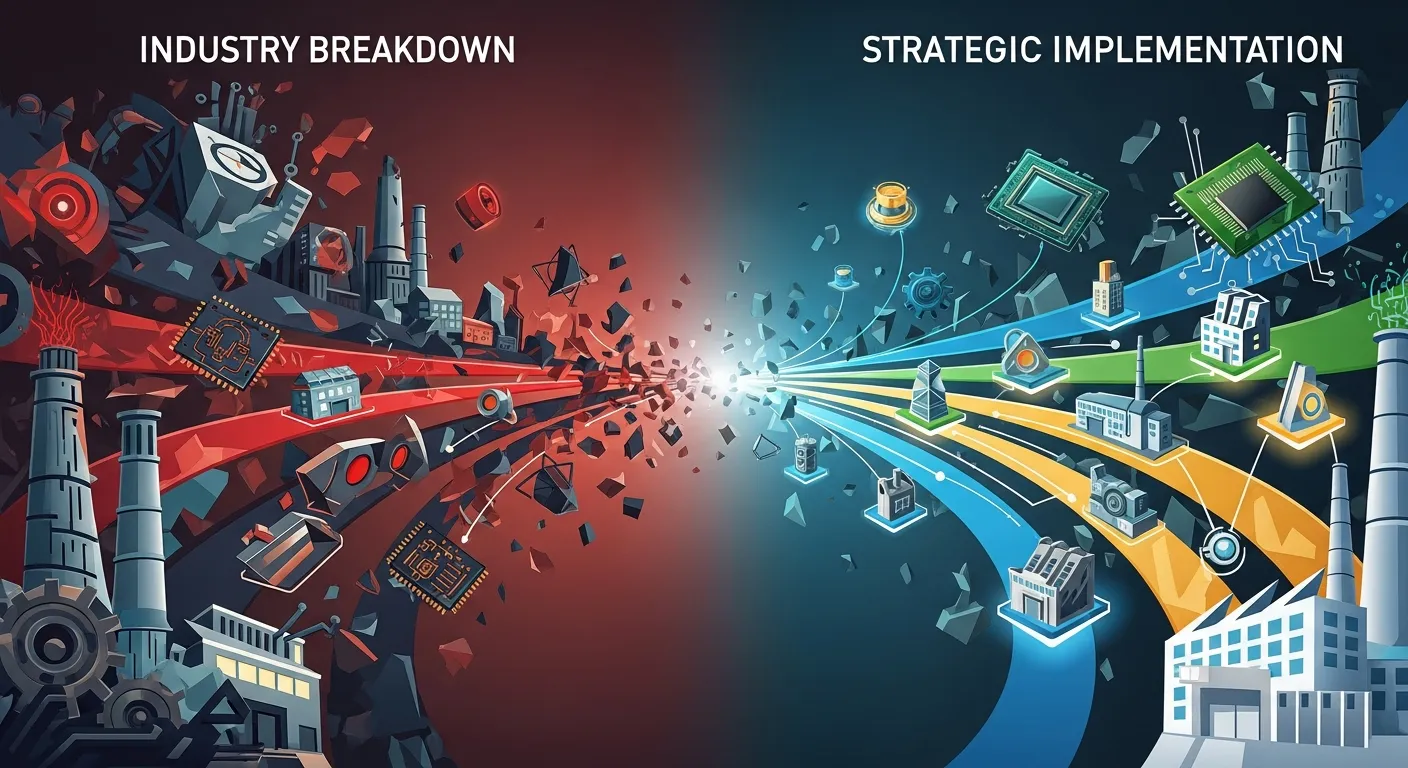
While general adoption is high, the way different industries utilize influencer marketing varies significantly. Understanding these nuances is key to developing a successful strategy for your specific vertical.
Beauty & Fashion: The Pioneers
The beauty and fashion sectors were arguably the first to fully monetize the personal brand. Why? Because social media is inherently visual. Instagram and TikTok are virtual runways and vanity tables. Whether it is an “Outfit of the Day” (OOTD) video or a “Get Ready With Me” (GRWM) beauty tutorial, influencers provide a way for shoppers to see products in action on real people with different body types and skin tones. This representation drives sales significantly better than airbrushed catalog photos.
Technology and SaaS
Tech companies face a unique challenge: their products are often intangible or complex. Influencer marketing solves this by humanizing the tech. Apple, Google, and Samsung use creators to demonstrate how gadgets fit into a lifestyle. However, it goes deeper than hardware. SaaS companies use LinkedIn influencers and tech YouTubers to demonstrate software workflows. When a trusted developer recommends a coding tool, their audience listens because that creator has “tech cred.”
Fitness & Wellness
Fitness brands, from gyms and personal trainers to supplement companies, partner with influencers to sell a lifestyle, not just a product. Outlets like TikTok and YouTube have ignited fitness culture. By partnering with influencers who document their fitness journeys, brands can access highly motivated, health-minded audiences. The key here is authenticity; audiences can spot a fake fitness endorsement instantly. They want to see the influencer actually sweating and using the gear.
Travel & Hospitality
Travel companies thrive on aspiration. Through influencer marketing, they make that aspiration tangible. A hotel chain might invite a travel vlogger for a stay, resulting in high-quality video content that showcases the experience far better than a static website image. The travel industry continues to be a primary producer of social media ambassadors because travel content is highly shareable and saveable.
Food & Beverage
Food bloggers and chefs on Instagram and Pinterest are the modern cookbooks. They post recipes and work with restaurants and CPG (Consumer Packaged Goods) brands. These influencers target “foodies” and casual browsers looking for dinner inspiration. The visual appeal of a well-shot recipe video can drive immediate purchases of ingredients or restaurant visits.
How Companies Are Cashing In
The mass embrace of influencer marketing is strategic. Companies are using it to take advantage of specific benefits:
- Niche Platform Specialists: Brands are leveraging micro-influencers to penetrate tight-knit communities.
Check out this guide on micro-influencer marketing - Campaign Diversity: From new product introductions to brand awareness initiatives, influencer marketing partnerships disrupt the monotony of traditional advertising.
- User-Generated Content (UGC): Content generated by influencers often pulls double duty. Brands can reuse this high-quality content in their digital ads, emails, and websites (with permission), extending the life and value of the campaign.
Strategic Framework for Success
To implement these strategies effectively, companies usually follow a specific workflow:
- Identification: Finding the right creators who align with brand values.
- Outreach: Professional and personalized communication.
- Negotiation: Agreeing on deliverables, usage rights, and compensation.
- Campaign Execution: allowing the creator creative freedom while adhering to the brief.
- Analysis: Measuring ROI against KPIs.
Common Campaign Types
|
Campaign Type |
Description |
Best For |
|---|---|---|
|
Sponsored Content |
Brand pays for a specific post. |
Awareness & Reach |
|
Affiliate Marketing |
Influencer gets a commission on sales. |
Conversions & Sales |
|
Brand Ambassador |
Long-term partnership. |
Trust & Loyalty |
|
Unboxing/Reviews |
Influencer reviews a gifted product. |
Social Proof |
Measuring Success and Future Trends

The question “Is influencer marketing a good fit for your business?” has a short answer: Yes, for most businesses. Whether you are an e-commerce store doing $1M per month in revenue or a multinational corporation, the right strategy can drive customer trust, reach new audiences, and enhance your ROI.
ROI and Performance Metrics
One of the most persistent criticisms of influencer marketing in its early years was that it was hard to measure. Marketers often struggled to tie content performance to tangible business outcomes. Unlike traditional advertising with clear-cut data like click-through rates or impressions, influencer marketing initially relied heavily on soft metrics such as likes and comments. However, that has changed dramatically.
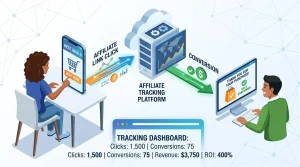
Thanks to technological advancements and smarter data integration, brands now have access to sophisticated tracking tools, affiliate platforms, and campaign analytics that provide complete transparency into how influencer activities contribute to conversions, revenue, and brand perception. Every stage of the funnel—from awareness to sales—can now be quantified through tools like UTM tracking, promo codes, custom landing pages, and integrated dashboards within platforms such as Google Analytics, Shopify, and specialized influencer software like Upfluence or HypeAuditor.
Positive ROI Drives Widespread Adoption
The numbers speak for themselves. Multiple industry studies reveal that businesses, on average, earn $5.78 for every $1 invested in influencer marketing. Some high-performing campaigns, particularly those that combine organic influencer advocacy with paid amplification, have reported returns exceeding 10x their initial spend. This compelling ROI is one of the main reasons influencer marketing budgets have ballooned across both startups and global enterprises alike.
However, financial return is only one piece of the puzzle. A truly effective influencer marketing strategy looks beyond immediate sales and focuses on sustained brand growth, customer loyalty, and long-term engagement. Metrics like engagement rate (likes, comments, shares), brand sentiment, and audience growth are now equally important indicators of success. They provide insight into whether your brand is resonating with its audience, fostering trust, and nurturing meaningful relationships rather than just driving one-time transactions.
Core Metrics That Define ROI
To gain a complete picture of performance, brands typically track a mix of quantitative and qualitative KPIs:
- Engagement Rate: Measures how actively followers interact with influencer content. A high engagement rate signals genuine interest and authenticity.
- Click-Through Rate (CTR): Indicates how many users are motivated to take action (e.g., visit a landing page or product page).
- Conversion Rate: The most direct measure of success—shows how many of those clicks turned into actual sales, sign-ups, or leads.
- Cost Per Acquisition (CPA): Calculates the total cost to acquire one new customer through the campaign.
- Earned Media Value (EMV): Estimates what the influencer’s organic reach and engagement would have cost through paid advertising.
- Sentiment Analysis: Evaluates the tone and emotion behind comments, mentions, and shares to gauge public perception of your brand.
From Data to Strategy: Interpreting ROI Insights
Analyzing ROI is not just about generating reports—it’s about turning insights into action. For instance, if certain influencers deliver exceptionally high engagement but low conversions, it might indicate strong audience trust but a mismatch in call-to-action or offer. Conversely, if conversion rates are high but engagement is low, it may suggest effective persuasion but limited brand affinity.
Forward-thinking brands use this data to refine future collaborations, identifying which influencer profiles, content formats, and platforms generate the best return. Over time, this builds a self-optimizing system that channels investment into the highest-performing areas.
The Long-Term ROI Advantage
Finally, it’s crucial to remember that the true value of influencer marketing compounds over time. While a single campaign might deliver immediate sales spikes, the long-term ROI comes from brand equity—the trust, familiarity, and loyalty built through consistent, authentic endorsements. As influencers continue to advocate for your brand, their audiences evolve into repeat customers and brand ambassadors themselves, multiplying your return well beyond the initial campaign window.
In essence, modern influencer marketing isn’t just about quick wins—it’s about creating measurable, scalable, and sustainable value that continues to grow long after the first post goes live.
Navigating the Platform Shift
Growth is often fueled by new platforms. TikTok has been a game-changer. In a year when growth exploded, 75% of global marketers launched TikTok campaigns, leveraging short-form video content to capture attention quickly. YouTube Shorts and Instagram Reels have followed suit. The trend is clear: video is king, and short-form video is the ace.
Key Takeaways for Your Brand
If you are ready to start or scale your efforts, keep these pillars in mind:
- Begin Small: If it is your first time dealing with influencer marketing, start with micro-influencers in your niche. Test your campaign and perfect it before spending big.
- Monitor Results: Use analytics to track key performance metrics such as engagement rates, clicks, and conversions to find what is working.
- Close to Home: Make sure that the influencers who connect with your product or service really connect with it. Authenticity counts for long-continued effects.
- Find Help if Needed: If managing relationships feels overwhelming, agencies can help. Explore the best influencer marketing services in the UK
Why Influencer Marketing Is Here to Stay
The sheer size of the companies using and benefiting from influencer marketing is an indication that this marketing strategy is going nowhere. With the spread of platforms like TikTok, Instagram, and YouTube, and the growing popularity of innovations like AI-powered recommendations, influencer marketing is soon to be more efficient and widespread.
For those brands that haven’t yet leapt in, now is the time. The sooner you plant your flag in the influencer world, the more of this growing industry will belong to you.
Frequently Asked Questions (FAQ)
1. What are the main benefits of influencer marketing?
The primary benefits include increased brand awareness, access to targeted audiences, and improved credibility through social proof. It allows brands to leverage the trust an influencer has built with their followers. Additionally, it often generates high-quality content that brands can repurpose. Read more about benefits and best practices here
2. How much does influencer marketing cost?
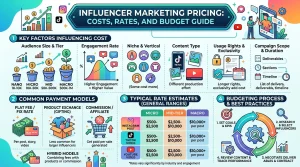
Costs vary wildly depending on the influencer’s platform, follower count, and engagement rate. A micro-influencer might accept free products or $100 per post, while celebrity influencers can charge hundreds of thousands. Most brands set a budget based on expected CPM (Cost Per Mille) or CPA (Cost Per Acquisition).
3. How do I find the right influencers for my brand?
You can search manually on social media using relevant hashtags or use specialized databases. Look for creators whose audience demographics match your target market and whose values align with your brand voice. Using dedicated tools can streamline this discovery process significantly. Here are some top outreach tools for your next collab
4. What is the difference between a macro and micro-influencer?
Macro-influencers typically have between 100,000 and 1 million followers and offer broad reach but often lower engagement rates. Micro-influencers usually have between 10,000 and 100,000 followers; they offer lower reach but typically boast higher engagement and deeper trust within specific niches.
5. Is influencer marketing effective for B2B companies?
Yes, absolutely. While B2C often focuses on Instagram and TikTok, B2B influencer marketing thrives on LinkedIn and Twitter (X). Industry thought leaders, consultants, and tech experts act as influencers by validating software, services, and business solutions to professional audiences.
6. How is Artificial Intelligence impacting this industry?
AI is revolutionizing how brands identify influencers, predict campaign success, and even detect fake followers. It helps in analyzing vast amounts of data to ensure the perfect match between brand and creator, reducing the risk of a failed campaign. Discover how AI is transforming the industry
7. What metrics should I track to measure success?
Key performance indicators (KPIs) include engagement rate (likes, comments, shares), reach/impressions, click-through rate (CTR), and conversion rate. For sales-focused campaigns, tracking the number of times a specific promo code or affiliate link was used is essential.
8. What are the legal requirements for influencer marketing?
Transparency is mandatory. In the US, the FTC requires influencers to clearly disclose paid partnerships using tags like #ad, #sponsored, or “Paid partnership with…” Failure to do so can result in legal trouble for both the brand and the influencer.
9. Can I use influencer content on my own channels?
Generally, yes, but only if you have negotiated usage rights beforehand. This should be clearly stipulated in your contract. “Whitelisting” is a popular practice where the brand gains access to run ads directly through the influencer’s social media account.
10. How long should an influencer campaign last?
Campaigns can range from a one-off post to a year-long ambassadorship. Long-term partnerships tend to perform better because repeated exposure builds stronger memory structures in the audience’s mind. An “always-on” strategy keeps the brand top-of-mind consistently.