How to Build an Influencer Marketing Strategy That Delivers Results
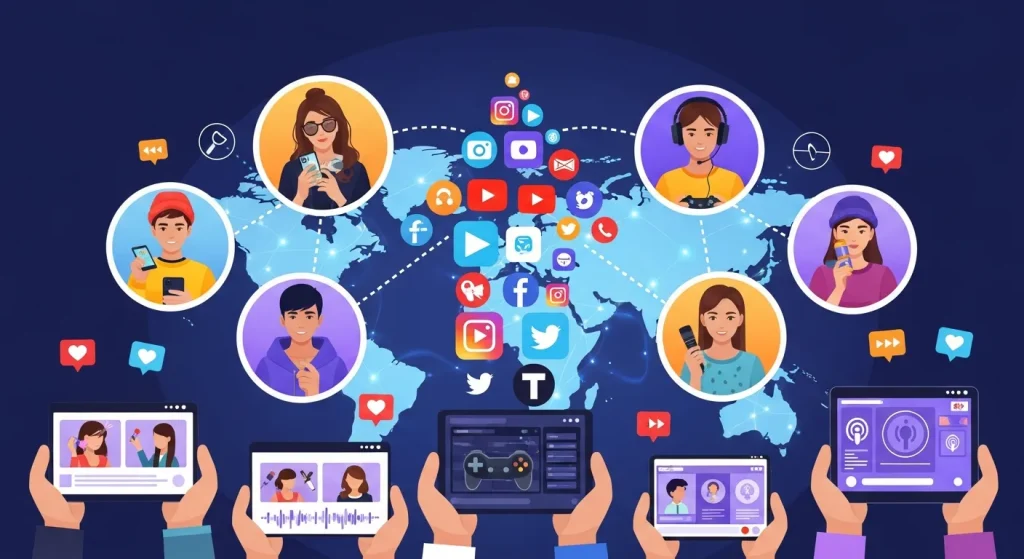
This comprehensive guide outlines how to build an effective influencer marketing strategy, covering goal-setting, audience targeting, influencer selection, campaign execution, and performance analysis. It includes actionable tips, tables, and FAQs to help brands achieve measurable results.
Influencer marketing has evolved from a niche tactic into a foundational component of modern digital advertising. Businesses of all sizes are tapping into the power of authentic voices to connect with audiences, build brand credibility, and drive significant growth. However, a successful campaign requires more than just partnering with a popular social media personality. Building an effective influencer marketing strategy demands careful planning, precise execution, and continuous analysis.
Without a clear roadmap, even the most well-intentioned efforts can fall flat, wasting valuable resources and time.
This comprehensive guide will walk you through the essential steps to create an influencer marketing strategy that generates tangible results. We will explore how to set clear goals, identify the perfect influencers for your brand, structure collaborations for maximum impact, and measure the true return on your investment. By understanding the nuances of this powerful marketing channel, you can forge partnerships that not only amplify your message but also build lasting relationships with your target customers. Whether you’re a startup looking to make a splash or an established brand aiming to deepen your market penetration, this is your blueprint for success in the dynamic world of influencer marketing.
Laying the Foundation for a Winning Influencer Marketing Strategy
Before you even think about reaching out to potential collaborators, you must establish a solid foundation. This initial phase is arguably the most critical part of your entire influencer marketing journey. It involves defining what success looks like for your brand, understanding who you’re trying to reach, and setting a realistic budget that aligns with your objectives. Rushing through this stage often leads to misaligned partnerships, vague campaign goals, and an inability to measure performance accurately. By taking the time to build this strategic groundwork, you set your influencer marketing campaigns up for success from the very beginning.
Defining Your Campaign Goals and KPIs
The first step in any successful marketing initiative is to define what you want to achieve. Vague aspirations like “increase brand awareness” are not enough. Your goals must be Specific, Measurable, Achievable, Relevant, and Time-bound (SMART). This framework transforms abstract hopes into concrete targets, providing a clear sense of direction for your influencer marketing efforts. Without precise goals, it’s impossible to select the right influencers, craft compelling campaign messaging, or evaluate whether your investment paid off. Effective influencer marketing starts with knowing your destination.
Common Influencer Marketing Goals
Your objectives will shape every subsequent decision in your strategy. Different goals require different approaches, influencer types, and measurement tactics. Here are some of the most common goals for an influencer marketing campaign:
- Boost Brand Awareness: This goal focuses on increasing your brand’s visibility among a new or broader audience. It’s about getting your name, products, and values in front of people who may not have heard of you before. The primary aim is reach and impressions.
- Drive Website Traffic: If your objective is to get more visitors to your website, blog, or a specific landing page, your influencer marketing strategy will center on clickable links. Influencers will need to guide their followers to take a specific action that leads them to your digital properties.
- Generate Leads and Sales: This is a conversion-focused goal. Success is measured by the number of new leads captured or products sold directly through the influencer’s efforts. This often involves unique discount codes, trackable affiliate links, or dedicated campaign landing pages.
- Enhance Brand Engagement: This goal is about fostering a community and conversation around your brand. You want influencers to create content that encourages likes, comments, shares, and saves. This builds social proof and demonstrates that people are actively interested in your brand.
- Promote a New Product Launch: Influencer marketing is exceptionally powerful for generating buzz around a new offering. Influencers can create unboxing videos, tutorials, and first-impression reviews to build anticipation and drive initial sales.
- Build Content Library: Partnering with influencers can provide you with a wealth of high-quality, authentic user-generated content (UGC). This content can then be repurposed across your own social media channels, website, and even in other advertising campaigns, saving you time and resources. For those interested in leveraging influencer marketing for Web3 or NFT projects, check out this short guide: Influencer Marketing NFT Launch Guide.
Setting Key Performance Indicators (KPIs)
Once your goals are set, you need to identify the Key Performance Indicators (KPIs) that will help you measure progress toward those goals. KPIs are the specific metrics you will track to determine if your influencer marketing campaign is successful.
|
Campaign Goal |
Primary KPIs to Track |
Secondary KPIs to Track |
|---|---|---|
|
Brand Awareness |
Impressions, Reach, Follower Growth, Brand Mentions |
Engagement Rate, Video Views, Story Views |
|
Website Traffic |
Click-Through Rate (CTR), Unique Visitors, Session Duration |
Bounce Rate, Pages per Session |
|
Lead Generation/Sales |
Conversion Rate, Cost Per Acquisition (CPA), Revenue Generated |
Cart Abandonment Rate, Average Order Value (AOV) |
|
Brand Engagement |
Likes, Comments, Shares, Saves, Post Engagement Rate |
Audience Growth Rate, Mentions, Use of Branded Hashtags |
|
Product Launch |
Pre-orders, Day-one Sales, Reach, Media Mentions |
Social Sentiment, UGC Created, Website Traffic to Product Page |
|
Content Generation |
Number of Assets Created, Content Usage Rights |
Engagement on Repurposed Content, Cost per Asset |
Identifying Your Target Audience in Detail
You cannot find the right influencer if you do not know who you are trying to influence. A deep understanding of your target audience is non-negotiable for effective influencer marketing. Go beyond basic demographics like age and gender. You need to build a comprehensive persona of your ideal customer to understand their motivations, challenges, and digital behaviors. This detailed profile will be your guide for finding influencers whose followers perfectly match the people you want to reach. An influencer might have millions of followers, but if they are not the right followers, your message will fall on deaf ears. If you’re curious about crafting winning strategies using micro-influencers, this Micro-Influencer Marketing Guide offers actionable insights.
Crafting Your Ideal Customer Persona
To build a robust customer persona for your influencer marketing, ask yourself these detailed questions:
- Demographics: What is their age, gender, location, income level, and education?
- Psychographics: What are their values, interests, hobbies, and lifestyle choices? What motivates them? What are their pain points and aspirations?
- Digital Behavior: Which social media platforms do they use most frequently (Instagram, TikTok, YouTube, X, Facebook, Pinterest)? What time of day are they most active?
- Content Consumption: What kind of content do they engage with? Do they prefer short-form video, in-depth articles, beautiful images, or live streams? Who do they already follow and trust?
- Purchase Drivers: What influences their purchasing decisions? Do they rely on peer reviews, expert recommendations, or brand reputation? Are they price-sensitive or value-driven?
Answering these questions creates a clear picture that informs your influencer selection process. For instance, if your target audience is Gen Z gamers who value authenticity and humor, you will look for influencers on platforms like Twitch and TikTok who are known for their genuine and entertaining gaming content, rather than a polished lifestyle blogger on Instagram. This level of precision is fundamental to a successful influencer marketing strategy. You may even find that a well-executed strategy is one of the best influencer marketing services in the UK, as it connects brands with perfectly aligned audiences.
Setting a Realistic Influencer Marketing Budget
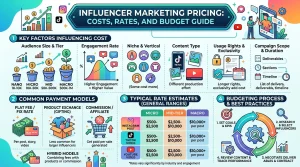
Your budget will determine the scale and scope of your influencer marketing activities. It’s important to be realistic about what you can achieve with the funds you have available. Your budget needs to cover more than just influencer fees. A comprehensive budget should account for all potential costs associated with your campaign.
Components of an Influencer Marketing Budget
When planning your finances, consider these key areas:
- Influencer Compensation: This is the highest cost. It can be a flat fee, a commission-based structure (affiliate), free products/services (gifting), or a combination of these. Compensation varies dramatically based on the influencer’s tier, platform, engagement rate, and industry.
- Product Costs: If you are sending products to influencers, you must account for the cost of the goods themselves, as well as packaging and shipping. For high-value items, this can be a substantial expense.
- Content Production Costs: While influencers typically create their own content, some high-production-value campaigns might require additional resources for professional videography, photography, or editing, which would be an added cost.
- Platform and Tool Fees: Many brands use influencer marketing platforms or tools to find influencers, manage campaigns, and track analytics. These services usually come with a monthly or annual subscription fee.
- Ad Boosting Costs: To maximize the reach of your influencer’s content, you may want to put a paid advertising budget behind their posts. This allows you to target audiences beyond the influencer’s organic followers.
- Contingency Fund: It’s always wise to set aside 10-15% of your total budget as a contingency. This can cover unforeseen costs, such as needing to replace an influencer last minute or extending a particularly successful campaign.
Developing a clear budget prevents overspending and helps you calculate a more accurate ROI. It forces you to be strategic about how you allocate resources, ensuring you get the most value from your influencer marketing investment.
Finding and Partnering with the Right Influencers

Once you have a solid strategic foundation, the next phase is to identify, vet, and collaborate with the right influencers. This is where your research into your target audience pays off. The “right” influencer is not necessarily the one with the most followers. The ideal partner is someone whose audience aligns with your customer persona, whose content style matches your brand identity, and whose values are in sync with your own. This selection process is a blend of art and science, requiring both data analysis and a qualitative assessment of an influencer’s content and community.
Choosing the Right Influencer Tier for Your Goals
Influencers are generally categorized into tiers based on their follower count. Each tier offers distinct advantages and is suited for different campaign goals and budgets. Understanding these differences is crucial for allocating your resources effectively and achieving your desired outcomes. A common mistake in influencer marketing is focusing solely on mega-influencers when nano or micro-influencers might deliver a much higher ROI for specific objectives.
A Breakdown of Influencer Tiers:
Nano-Influencers (1K–10K Followers):
-
- Strengths: These influencers often have the highest engagement rates and a very close, trusting relationship with their audience. They are seen as peers rather than celebrities. Their recommendations feel incredibly authentic and personal.
- Best For: Hyper-niche targeting, generating high-quality UGC, testing new markets, and campaigns focused on trust and authenticity.
- Cost: Most affordable, often willing to work in exchange for free products (gifting).
Micro-Influencers (10K–100K Followers):
-
- Strengths: They offer a perfect balance of significant reach and strong engagement. Their audience is still niche-focused, but large enough to make a noticeable impact. They are often considered experts in their specific field.
- Best For: Driving conversions, building community engagement, and reaching targeted demographics with a credible voice. For many small to medium-sized businesses, this is the sweet spot for influencer marketing.
- Cost: Moderate, with a mix of fee-based and product-based compensation models.
Macro-Influencers (100K–1M Followers):
-
- Strengths: These are established content creators, often professional bloggers, vloggers, or social media personalities. They provide a broad reach and can generate widespread brand awareness quickly. Their content is typically high-quality and professionally produced.
- Best For: Large-scale brand awareness campaigns, product launches, and driving significant traffic.
- Cost: Expensive, almost always requiring substantial financial compensation.
Mega-Influencers (1M+ Followers):
-
- Strengths: These are celebrities and top-tier social media stars with massive reach. A single post can put your brand in front of millions of people instantly.
- Best For: Maximizing brand visibility and reach for large, global brands with significant budgets.
- Cost: Very high, often commanding five to seven-figure fees per post.
A diversified influencer marketing strategy often involves a mix of these tiers. For example, you might use a macro-influencer to announce a new product and then activate a team of micro-influencers to create detailed reviews and tutorials, driving deeper engagement and conversions. Diving into a micro-influencer marketing guide can provide a wealth of strategies for leveraging this powerful segment.
How to Evaluate and Vet Potential Influencers

Finding an influencer whose follower count and niche seem to fit is just the first step. You must dig deeper to ensure they are a true match for your brand and can deliver on your campaign goals. This vetting process protects your brand’s reputation and your influencer marketing budget.
Key Evaluation Criteria:
- Audience Demographics: Don’t just take their word for it. Ask for a screenshot of their audience analytics. This will show you the age, gender, location, and other demographic data of their followers. Does it match your target customer persona? An influencer with a predominantly male audience is not a good fit for a female-focused skincare brand, regardless of how large their following is.
- Engagement Rate: This is a critical metric. A high follower count with low engagement (likes, comments, shares) can be a red flag, indicating a passive or even fake audience. To calculate the engagement rate, use this formula:
(Total Likes + Total Comments) / Follower Count * 100. A healthy engagement rate is typically between 2-5%, but this varies by platform and industry. Nano-influencers often have rates well above this. - Content Quality and Style: Scrutinize their past content. Is the photography and videography high-quality? Does their writing style and tone of voice align with your brand? If your brand is sophisticated and professional, an influencer who uses a lot of slang and casual humor might not be the right fit. The content should feel like a natural extension of your own brand’s messaging.
- Authenticity and Brand Fit: Look at their previously sponsored posts. Do they promote a wide variety of unrelated products, or are they selective about their partnerships? The best influencers are discerning and only collaborate with brands they genuinely believe in. Also, check their non-sponsored content to get a feel for their true personality and values. Do these values align with your company’s mission?
- Audience Sentiment: Read the comments on their posts, especially sponsored ones. Are the followers receptive and positive, or are they skeptical and critical? Positive comments and genuine questions are a great sign that the audience trusts the influencer’s recommendations.
|
Metric |
What to Look For |
Red Flags |
|---|---|---|
|
Engagement Rate |
2-5% or higher; consistent across posts. |
Below 1%; sudden spikes or drops in engagement. |
|
Follower Growth |
Steady, organic growth over time. |
Abrupt, massive increases in followers (may indicate bought followers). |
|
Comment Quality |
Thoughtful questions, positive feedback, genuine conversations. |
Generic comments (“nice pic,” emojis only), spam, or negative reactions. |
|
Audience Demographics |
Strong alignment with your target customer persona. |
Mismatch in age, gender, location, or interests. |
|
Sponsorship History |
Selective partnerships with relevant brands. |
Promotes competing brands or a random assortment of products. |
Crafting a Collaboration Plan and Outreach Strategy
Once you have a shortlist of vetted influencers, it’s time to reach out and propose a collaboration. Your outreach should be personalized and professional, demonstrating that you have done your homework and genuinely value their work. A generic, copy-pasted message is likely to be ignored.
Creating the Influencer Brief

Before you reach out, prepare a clear and concise campaign brief. This document will serve as the foundation for your collaboration and ensure everyone is on the same page. Your brief should include:
- About Your Brand: A brief introduction to your company, its mission, and its values.
- Campaign Objectives: What are you trying to achieve with this influencer marketing campaign?
- Key Messaging: What are the 2-3 key points you want the influencer to communicate about your product or service? Provide these as guidelines, not a rigid script.
- Content Deliverables: What exactly do you need the influencer to create? Be specific (e.g., 1 Instagram feed post, 3 Instagram Stories with a link sticker, 1 60-second TikTok video).
- Creative Guidelines: Mention any “dos and don’ts.” For example, are there any specific brand colors to use, or any competitor brands not to mention? However, it is vital to allow for creative freedom. The influencer knows their audience best.
- Timeline: Provide clear deadlines for content drafts and final publication dates.
- Compensation: Be upfront about the proposed compensation (fee, product, commission, etc.).
The Art of Influencer Outreach
- Personalize Your Message: Address the influencer by name. Mention a specific post or piece of content you enjoyed. This shows you’re not just sending out a mass email.
- Be Clear and Concise: Influencers are busy. Get straight to the point. Introduce your brand, explain why you think they would be a great partner, and briefly outline the proposed collaboration.
- Highlight the Value for Them: Why should they work with you? Apart from compensation, highlight how your brand aligns with their content and how the partnership would benefit their audience.
- Attach the Brief: Include your detailed campaign brief so they have all the information they need to make a decision.
- Follow Up Politely: If you don’t hear back in a week, send a polite follow-up email.
Effective outreach is the first step in building a strong, long-term relationship. Treat it as the beginning of a partnership, not just a transaction. The emerging space of Web3 also presents unique opportunities, and a solid influencer marketing NFT launch guide can be invaluable for brands entering this new frontier. Additionally, for brands wanting world-class guidance, here’s a resource on the best influencer marketing services in the UK for professional campaign support.
Launching, Measuring, and Optimizing Your Campaign
With your partners chosen and your collaboration plan in place, it’s time to move into the execution and analysis phase of your influencer marketing strategy. This is where your planning comes to life. Launching the campaign is just the beginning; the real work lies in monitoring its performance, engaging with the content, and analyzing the results to measure your ROI and gather insights for future efforts. This continuous loop of launching, measuring, and optimizing is what separates a one-off success from a sustainable and scalable influencer marketing program.
Executing a Flawless Campaign Launch
A smooth launch sets the tone for the entire campaign. A pre-launch checklist is essential to ensure that all logistical and technical elements are in place before the influencer’s content goes live. Overlooking a small detail, like a broken link or an incorrect discount code, can derail an otherwise perfectly planned campaign.
Pre-Launch Checklist:
- Final Content Approval: Review and approve all content drafts from your influencers. Ensure they align with your brand guidelines and messaging, but still retain the influencer’s authentic voice.
- Tracking Links and Codes: Double-check that every influencer has their unique, trackable link (e.g., a UTM link or a Bitly link) and/or a specific discount code. Test these links yourself to make sure they direct to the correct landing page and are functioning properly.
- FTC Compliance: Confirm that each influencer has included the necessary disclosures to comply with advertising regulations (e.g., using #ad, #sponsored, or the platform’s built-in branded content tool). This is a legal requirement and crucial for maintaining transparency and trust with the audience.
- Scheduling Confirmation: Reconfirm the exact date and time that each piece of content will be published. This allows your team to be ready to engage as soon as the post goes live.
- Internal Team Briefing: Make sure your social media and customer service teams are aware of the campaign. They should be prepared to respond to comments, answer questions, and handle any influx of traffic or customer inquiries.
During the Campaign: Engagement is Key
Your job is not done once the influencer posts. Active engagement from your brand’s official accounts can significantly amplify the content’s reach and impact.
- Share and Amplify: Reshare the influencer’s posts and stories on your own channels. This shows your support for the partnership and exposes the content to your existing audience.
- Engage in the Comments: Like and respond to comments on the influencer’s post. Answer product questions, thank people for their positive feedback, and participate in the conversation. This shows that you are an engaged and attentive brand.
- Monitor Performance in Real-Time: Keep an eye on the initial engagement metrics. Is the post performing as expected? Early data can sometimes provide an opportunity to make small adjustments, such as boosting a particularly high-performing post with additional ad spend.
Measuring Success and Calculating ROI
The only way to know if your influencer marketing strategy was successful is to track your performance against the goals and KPIs you set in the first phase. This data-driven approach allows you to justify your marketing spend and make smarter decisions in the future.
Tracking Your KPIs
Use a combination of tools to gather the necessary data.
- Platform Analytics: Instagram, TikTok, YouTube, and other platforms provide native analytics that show reach, impressions, engagement, video views, and more. Ask your influencers to share this backend data with you for the most accurate reporting.
- Google Analytics: If your goal was to drive website traffic, Google Analytics is essential. Use your UTM links to track how many sessions, new users, and conversions came directly from each influencer. You can analyze metrics like bounce rate and session duration to gauge the quality of the traffic.
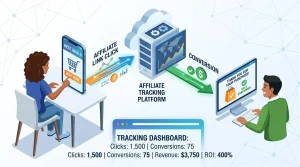
- Affiliate and E-commerce Platforms: For sales-focused campaigns, your e-commerce platform (like Shopify) or affiliate marketing software will track how many times each influencer’s unique discount code was used and how much revenue was generated.
Calculating Return on Investment (ROI)
Calculating the ROI of your influencer marketing campaign is crucial for proving its value. The basic formula is:
ROI = (Net Profit from Campaign / Total Cost of Campaign) * 100
- Net Profit: This is the revenue generated from the campaign minus the cost of goods sold.
- Total Cost: This includes all the expenses you budgeted for: influencer fees, product costs, shipping, software fees, ad spend, etc.
However, not all value from influencer marketing is directly tied to sales. The “return” can also include non-monetary value, such as brand awareness, engagement, and user-generated content. While harder to quantify, you can assign an estimated value to these outcomes. For example, you can calculate the Earned Media Value (EMV), which is an estimate of what it would have cost to gain the same reach and engagement through paid advertising.
|
KPI |
Measurement Tool |
What It Tells You |
|---|---|---|
|
Reach & Impressions |
Platform Analytics |
How many people saw your brand. (Awareness) |
|
Engagement Rate |
Platform Analytics / Manual Calculation |
How resonated with the audience. (Interest) |
|
Click-Through Rate (CTR) |
UTM Link Tracker (Bitly, Google Analytics) |
How many people were interested enough to visit your site. (Consideration) |
|
Conversion Rate |
Google Analytics / E-commerce Platform |
How many people took the desired action (e.g., made a purchase). (Action) |
|
Cost Per Acquisition (CPA) |
E-commerce Platform / Manual Calculation |
How much it cost to acquire one new customer through the campaign. (Efficiency) |
|
Revenue Generated |
E-commerce Platform |
The total sales driven by the influencer. (Direct Return) |
Optimizing for the Future and Building Long-Term Partnerships
A single influencer marketing campaign is a learning opportunity. The insights you gather should be used to refine and improve your future strategies. Analyze what worked and what didn’t. Which influencers drove the most engagement? Which platform delivered the best traffic? Which type of content resonated most with the audience?
From One-Off Campaigns to Long-Term Relationships
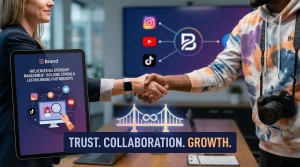
The most successful brands view influencer marketing not as a series of one-off transactions, but as an opportunity to build long-term relationships. When you find an influencer who genuinely loves your brand and consistently delivers great results, consider moving them into an ambassador program.
Benefits of Long-Term Partnerships:
-
- Increased Authenticity: The longer an influencer works with a brand, the more their audience comes to associate them with it, making the endorsements seem even more genuine.
- Deeper Brand Knowledge: An ambassador will have a much deeper understanding of your products and brand values, allowing them to create more knowledgeable and compelling content.
- Cost-Effectiveness: Negotiating a longer-term contract (e.g., quarterly or annually) can often be more cost-effective than commissioning multiple individual campaigns.
- Consistent Content: An ongoing partnership provides a steady stream of high-quality content for your brand.
By analyzing your results and reinvesting in your top-performing partners, you can transform your influencer marketing from a tactical experiment into a predictable, scalable, and highly effective marketing channel that drives sustainable growth for your business.
Frequently Asked Questions (FAQ)
1. What is the most important metric to track in influencer marketing?
The most important metric depends entirely on your campaign goals. For a brand awareness campaign, reach and impressions are key. If your goal is sales, the most important metric is conversion rate and ROI. There is no single “best” metric; always align your tracking with your primary objective.
2. How much does influencer marketing cost?
Costs vary dramatically based on the influencer’s tier, platform, industry, and engagement rate. A nano-influencer might work for a free product worth $50, while a mega-influencer could charge over $100,000 for a single post. A typical micro-influencer on Instagram might charge between $250 and $1,000 per post.
3. How do I find influencers for my niche?
You can search directly on social media platforms using relevant hashtags, look at who your competitors are working with, or see who your target audience is already following. For a streamlined discovery process, this quick reference may help: Influencer Outreach Tools for Your Next Collab.
4. Should I pay influencers or just send them free products?
This depends on the influencer’s size and your request. Gifting free products often works for nano-influencers with smaller followings. However, micro-influencers and larger creators are running a business; you should expect to provide fair financial compensation for their work, time, and access to their audience.
5. What’s the difference between influencer marketing and affiliate marketing?
Influencer marketing is typically focused on awareness and engagement, with a flat-fee payment structure. Affiliate marketing is a purely performance-based model where the influencer (affiliate) earns a commission on every sale they drive through their unique link. Many influencer marketing campaigns now incorporate an affiliate component.
6. How do I create a contract for an influencer collaboration?
An influencer contract should clearly outline all expectations. It must include the specific content deliverables, publication dates, compensation details, content usage rights, and disclosure requirements (FTC guidelines). It’s always best to consult with a legal professional to draft a template.
7. How much creative freedom should I give an influencer?
A lot. Provide them with key messaging points and brand guidelines, but allow them to create the content in their own unique voice and style. Their audience follows them for their authenticity, and overly scripted or controlled content will not perform well. Trust the creator you hired.
8. How is AI changing the world of influencer marketing?
AI is revolutionizing how brands execute their strategies. With advanced influencer discovery, precise audience analysis, and predictive analytics, AI can take your campaigns to the next level. Explore this concise overview: How AI is Transforming Influencer Marketing.
9. What are the biggest mistakes to avoid in influencer marketing?
The biggest mistakes include choosing an influencer based only on follower count, not having clear goals, providing a rigid script that stifles creativity, and failing to track results. Another major error is not properly vetting an influencer’s audience to ensure they align with your target customer.
10. Can B2B companies use influencer marketing?
Absolutely. B2B influencer marketing is a growing and powerful strategy. Instead of Instagram stars, B2B influencers are typically industry experts, thought leaders, and respected executives on platforms like LinkedIn and X. For more insights on effectiveness and best practices, check out this brief resource: Influencer Marketing Benefits & Best Practices.
1. What is the most important metric to track in influencer marketing?
The most important metric depends entirely on your campaign goals. For a brand awareness campaign, reach and impressions are key. If your goal is sales, the most important metric is conversion rate and ROI. There is no single “best” metric; always align your tracking with your primary objective.
2. How much does influencer marketing cost?
Costs vary dramatically based on the influencer’s tier, platform, industry, and engagement rate. A nano-influencer might work for a free product worth $50, while a mega-influencer could charge over $100,000 for a single post. A typical micro-influencer on Instagram might charge between $250 and $1,000 per post.
3. How do I find influencers for my niche?
You can search directly on social media platforms using relevant hashtags, look at who your competitors are working with, or see who your target audience is already following. To streamline this process, you can explore various influencer outreach tools for your next collab that help you discover and vet partners based on specific criteria.
4. Should I pay influencers or just send them free products?
This depends on the influencer’s size and your request. Gifting free products often works for nano-influencers with smaller followings. However, micro-influencers and larger creators are running a business; you should expect to provide fair financial compensation for their work, time, and access to their audience.
5. What’s the difference between influencer marketing and affiliate marketing?
Influencer marketing is typically focused on awareness and engagement, with a flat-fee payment structure. Affiliate marketing is a purely performance-based model where the influencer (affiliate) earns a commission on every sale they drive through their unique link. Many influencer marketing campaigns now incorporate an affiliate component.
6. How do I create a contract for an influencer collaboration?
An influencer contract should clearly outline all expectations. It must include the specific content deliverables, publication dates, compensation details, content usage rights, and disclosure requirements (FTC guidelines). It’s always best to consult with a legal professional to draft a template.
7. How much creative freedom should I give an influencer?
A lot. Provide them with key messaging points and brand guidelines, but allow them to create the content in their own unique voice and style. Their audience follows them for their authenticity, and overly scripted or controlled content will not perform well. Trust the creator you hired.
8. How is AI changing the world of influencer marketing?
AI is revolutionizing how brands execute their strategies. It helps with more sophisticated influencer discovery, audience analysis, and even predicting campaign performance. For an in-depth look, learning how AI is transforming influencer marketing can give you a competitive edge by making your processes more efficient and data-driven.
9. What are the biggest mistakes to avoid in influencer marketing?
The biggest mistakes include choosing an influencer based only on follower count, not having clear goals, providing a rigid script that stifles creativity, and failing to track results. Another major error is not properly vetting an influencer’s audience to ensure they align with your target customer.
10. Can B2B companies use influencer marketing?
Absolutely. B2B influencer marketing is a growing and powerful strategy. Instead of Instagram stars, B2B influencers are typically industry experts, thought leaders, and respected executives on platforms like LinkedIn and X. They can help build credibility, generate leads, and promote thought leadership content. The same core principles of finding authentic, relevant voices apply. For more information, reviewing influencer marketing benefits best practices can highlight its effectiveness across both B2C and B2B sectors.