What is Social Media Influencer Marketing? Everything You Need to Know
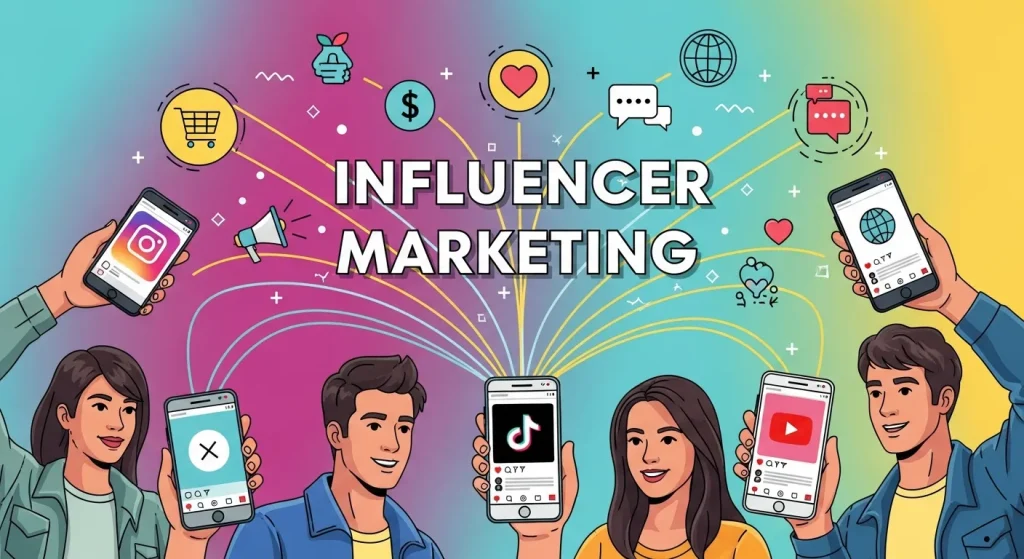
Diverse influencers create content on platforms like Instagram, YouTube, and TikTok, showcasing products and engaging audiences. This highlights the power of influencer marketing in connecting brands with niche communities through authentic storytelling and creative, platform-specific strategies.
In the rapidly evolving digital landscape, influencer marketing has transitioned from a buzzword into a fundamental pillar of modern advertising strategies. When you scroll through your Instagram feed, watch a detailed YouTube tutorial, or lose track of time exploring TikTok, you are constantly encountering products and services endorsed by content creators. But beyond the surface level of sponsored posts and affiliate links, what exactly is social media influencer marketing, and why has it become such a transformative force for brands across the globe?
This comprehensive guide will dive deep into the mechanics of influencer marketing, exploring how it operates, the different tiers of influencers available, and how businesses—from multinational corporations to local startups—can leverage these partnerships for exponential growth.
The Foundations of Modern Influencer Marketing
Influencer marketing is effectively an updated, digital version of word-of-mouth marketing, amplified by the immense reach and connectivity of social media platforms. It replaces traditional, often impersonal corporate advertising with personal narratives and the inherent trust that comes from peer recommendations. Unlike the dispassionate TV commercials or billboards of the past, influencer marketing utilizes individual creators to deliver targeted messages with authenticity. These influencers have cultivated large, dedicated followings within specific niches, positioning themselves as trusted authorities whose opinions matter to their audience.
The Mechanics of Trust and Reach

The core mechanism driving influencer marketing is the relationship between the creator and their followers. This relationship is built on perceived authenticity and shared interests. When a beauty vlogger recommends a skincare product, or a tech reviewer praises a new gadget, the audience perceives it less as an advertisement and more as advice from a knowledgeable friend. This dynamic allows brands to bypass the skepticism consumers often feel toward direct corporate messaging.
Key Components of a Successful Strategy
To execute a successful influencer marketing campaign, brands must understand the ecosystem they are entering. It involves more than just paying someone to post a photo; it requires a strategic alignment of values, aesthetics, and goals.
- Audience Alignment: The most critical factor is ensuring the influencer’s audience matches the brand’s target demographic.
- Content Relevance: The promotional content must fit naturally within the influencer’s existing feed to avoid jarring the audience.
- Platform Specificity: Different platforms serve different purposes (e.g., LinkedIn for B2B, TikTok for Gen Z engagement).
- Authentic Storytelling: Campaigns that allow influencers creative freedom to tell a story perform significantly better than scripted ads.
- Long-term Partnerships: Moving from one-off posts to long-term ambassadorships builds deeper trust and brand recall.
Comparing Traditional Ads vs. Influencer Marketing
The following table highlights the distinct advantages influencer marketing holds over traditional advertising methods:
|
Feature |
Traditional Advertising |
Influencer Marketing |
|---|---|---|
|
Trust Factor |
Low (Perceived as biased) |
High (Perceived as peer recommendation) |
|
Targeting |
Broad demographics |
Niche-specific interest groups |
|
Content Type |
Polished, corporate visuals |
Authentic, user-generated style |
|
Engagement |
Passive viewing |
Active commenting and sharing |
|
ROI Measurement |
Harder to track directly |
Trackable via links and codes |
|
Ad Blocker Impact |
High susceptibility |
Immune (Native content) |
For brands looking to explore niche markets, specialized strategies are essential. For instance, launching unique digital assets requires a specific approach. Learn about NFT influencer strategies here.
Types of Influencers and Strategic Selection
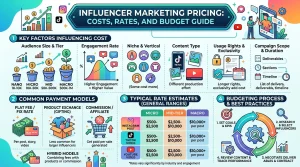
Understanding the different tiers of influencers is crucial for budgeting and setting campaign expectations. Influencer marketing is not a “one size fits all” solution; the type of influencer you choose will dictate the reach, engagement, and cost of your campaign. Influencers are generally categorized by their follower count, but their value lies in the quality of their engagement and their niche authority.
Breaking Down Influencer Tiers
- Mega-Influencers (1 Million+ Followers): These are often celebrities, musicians, or internet stars with massive reach. While they offer incredible visibility, their engagement rates are typically lower because their audience is so broad. They are best for top-of-funnel brand awareness campaigns where the goal is simply to be seen by as many people as possible.
- Macro-Influencers (100k – 1 Million Followers): These creators are professional influencers who have gained fame through the internet (vloggers, podcasters). They offer a balance of high reach and decent engagement. They are excellent for launching widespread campaigns that still need a touch of targeted relevance.
- Micro-Influencers (10k – 100k Followers): These influencers are often considered the “sweet spot” for high ROI. They have a respectable following but maintain very high engagement rates because they can still interact personally with their audience. Their followers are often deeply interested in specific topics like vegan cooking, sustainable fashion, or indie gaming.
- Nano-Influencers (1k – 10k Followers): These are everyday people with a small but hyper-loyal following. Their recommendations carry the weight of a close friend’s advice. They are incredibly cost-effective and perfect for local businesses or hyper-niche products.
The Strategic Value of Smaller Creators
While it might be tempting to chase the biggest numbers, smaller creators often deliver better conversion rates. Their audiences are more cohesive and attentive. A recommendation from a micro-influencer feels like a genuine discovery rather than a paid placement.
- Higher Engagement Rates: Smaller audiences allow for more direct interaction between the creator and followers.
- Cost-Efficiency: Working with multiple micro-influencers often costs less than one mega-influencer post.
- Niche Authority: They are often viewed as experts in very specific fields.
- Creative Flexibility: Smaller creators are often more willing to over-deliver on content to build relationships with brands.
- Authenticity: Their feed is usually less saturated with sponsored content, making your ad stand out more.
Influencer Selection Criteria Matrix
When selecting partners for your influencer marketing efforts, consider this matrix to evaluate potential candidates:
|
Criteria |
Importance |
What to Look For |
|---|---|---|
|
Audience Demographics |
Critical |
Age, location, gender, and interests match your buyer persona. |
|
Engagement Rate |
High |
Comments, shares, and saves relative to follower count (aim for >3%). |
|
Content Quality |
High |
Aesthetics, production value, and caption writing style. |
|
Brand Safety |
Critical |
Past controversies, language use, and alignment with company values. |
|
Posting Frequency |
Medium |
Consistency indicates reliability and algorithm favorability. |
|
Previous Partnerships |
Medium |
The quality of brands they have worked with previously. |
If you are specifically interested in leveraging smaller creators for better engagement, detailed guides are available.
Read this guide on micro-influencer marketing.
Implementing and Measuring Campaigns
Once you have identified the right partners, the execution phase begins. This involves outreach, negotiation, content creation, and, most importantly, measurement. Influencer marketing requires rigorous tracking to ensure that your investment is yielding a return. It is not enough to simply send a product and hope for the best; you need a structured workflow to manage the campaign lifecycle.
Steps to Campaign Success
- Setting Clear Objectives: Define what success looks like. Is it brand awareness (impressions), consideration (engagement), or conversion (sales)? Your KPI selection will drive the entire strategy.
- Personalized Outreach: Influencers receive generic copy-paste emails daily. Stand out by referencing specific content they have created and explaining why they are a perfect fit for your brand.
- ** Collaborative Briefing:** Provide a creative brief that outlines the “must-haves” (hashtags, talking points) but leaves ample room for the influencer’s creative expression. If you stifle their creativity, the content will perform poorly.
- Content Approval and Publishing: Review content for brand safety and accuracy before it goes live, but avoid micromanaging the aesthetic.
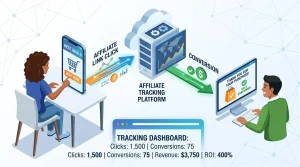
- Performance Analysis: Use tracking links (UTMs), unique discount codes, and platform analytics to measure the impact. Look beyond vanity metrics like “likes” and focus on “saves,” “shares,” and “clicks.”
ROI and Performance Metrics
Measuring ROI in influencer marketing can be complex because the customer journey is rarely linear. A customer might see an influencer’s post, remember the brand, and search for it on Google three days later. To capture the full picture, brands need to look at a blend of direct and indirect attribution models.
- Direct Sales: Revenue generated directly through trackable links or promo codes.
- Brand Lift: Changes in brand search volume or social media mentions during the campaign period.
- Content Value: The cost savings of having influencers create high-quality content that the brand can repurpose (with permission).
- Audience Growth: New followers gained on the brand’s own social channels.
- Sentiment Analysis: The qualitative tone of the comments and discussions generated by the posts.
Common Challenges and Solutions
|
Challenge |
Solution |
|---|---|
|
Fake Followers |
Use auditing tools to analyze audience authenticity and spot bot activity. |
|
High Costs |
Negotiate non-monetary compensation or long-term packages for better rates. |
|
FTC Compliance |
Ensure all partners clearly disclose ads with #ad or #sponsored tags. |
|
Creative Differences |
Establish clear guidelines in the contract, but trust the creator’s knowledge of their audience. |
|
Measuring Impact |
Implement robust tracking pixels and specific landing pages for each influencer. |
|
Ghosting |
Maintain professional communication and use contracts with clear deliverables and timelines. |
For businesses operating in specific regions, finding local expertise can streamline this complex process significantly.
Explore top UK influencer services here.
The Role of Emerging Platforms in Influencer Marketing
As the digital landscape continues to evolve, new social media platforms are emerging, offering fresh opportunities for influencer marketing. While Instagram, YouTube, and TikTok dominate the space, platforms like Twitch, Discord, and BeReal are gaining traction, especially among younger, tech-savvy audiences. These platforms provide unique ways for brands to connect with niche communities and experiment with innovative content formats.
- Twitch: Ideal for gaming, tech, and entertainment brands, Twitch allows influencers to engage with their audience in real-time through live streams. Sponsored streams, product placements, and interactive Q&A sessions are popular strategies here.
- Discord: Known for fostering tight-knit communities, Discord is perfect for brands looking to build long-term relationships with niche audiences. Partnering with influencers to create branded servers or host exclusive events can drive engagement.
- BeReal: With its focus on unfiltered, authentic content, BeReal offers a unique opportunity for brands to showcase their products in a more casual, relatable way. Collaborating with influencers to share “real-life” moments can resonate deeply with audiences.
By staying ahead of platform trends, brands can tap into untapped markets and establish themselves as early adopters, gaining a competitive edge.
Ethical Considerations in Influencer Marketing
As influencer marketing grows, so does the need for ethical practices to maintain trust and transparency. Both brands and influencers must navigate a landscape where authenticity and integrity are paramount. Here are some key ethical considerations:
- Transparency in Sponsorships: Influencers must clearly disclose paid partnerships using hashtags like #ad or #sponsored to comply with FTC guidelines and maintain audience trust.
- Avoiding Misleading Claims: Brands and influencers should ensure that all claims about products or services are accurate and backed by evidence. Misleading endorsements can damage credibility and lead to legal repercussions.
- Diversity and Inclusion: Partnering with influencers from diverse backgrounds ensures that campaigns resonate with a broader audience and promote inclusivity.
- Sustainability and Social Responsibility: Consumers increasingly value brands that prioritize sustainability and ethical practices. Collaborating with influencers who share these values can enhance brand reputation.
- Audience Protection: Brands should avoid targeting vulnerable audiences, such as children, with inappropriate or overly persuasive content.
By prioritizing ethical practices, brands can build long-term relationships with both influencers and their audiences, fostering trust and loyalty in an increasingly competitive market.
Frequently Asked Questions (FAQ)
1. How do I determine the right budget for an influencer marketing campaign?
Budgeting depends on your goals and the tier of influencers you target. Research industry standards for CPM (Cost Per Mille) and engagement rates. Always allocate a portion of the budget for content usage rights if you plan to reuse their posts in paid ads.
2. What are the primary benefits of using influencer marketing over social ads?
Influencer campaigns often bypass ad blockers and banner blindness, reaching users in a more organic way. They also build social proof, as consumers trust human recommendations far more than corporate messaging.
Discover benefits and best practices here.
3. Is influencer marketing effective for B2B companies?
Yes, B2B influencer marketing is growing rapidly, particularly on LinkedIn. Instead of lifestyle creators, B2B brands partner with industry thought leaders, consultants, and speakers who can validate software or services to professional audiences.
4. How can I find influencers without spending hours scrolling social media?
You can use dedicated discovery platforms that filter creators by niche, location, and audience demographics. These tools save time and provide data on engagement rates and audience authenticity before you even reach out. Check out these outreach tools.
5. What should be included in an influencer contract?
A solid contract must cover deliverable timelines, payment terms, exclusivity clauses, content usage rights, and FTC disclosure requirements. Clear contracts prevent scope creep and protect both the brand and the creator.
6. How is artificial intelligence impacting the influencer industry?
AI is revolutionizing the space by helping brands identify partners more accurately and enabling virtual influencers. It also assists in analyzing vast amounts of campaign data to predict trends and optimize future spending. Read about AI in influencer marketing.
7. Can I reuse influencer content on my website or email marketing?
You can only repurpose content if you have negotiated usage rights in your contract. User-generated content (UGC) performs exceptionally well in email and web ads, so it is often worth paying extra for these rights.
8. What is the difference between a brand ambassador and an influencer?
An influencer might do a one-off post, whereas a brand ambassador has a long-term, ongoing relationship with the company. Ambassadors often become the “face” of the brand and integrate the product into their lifestyle over months or years.
9. How do I measure the success of a brand awareness campaign?
For awareness, focus on metrics like Reach (total unique viewers), Impressions (total views), and Share of Voice (how much people are talking about you vs. competitors). Follower growth on your brand channels is also a key indicator.
10. Why is micro-influencer marketing considered more authentic?
Micro-influencers usually manage their accounts personally without agencies, meaning their interactions are genuine. Their smaller audience feels like a community, fostering higher trust levels compared to celebrities who endorse multiple products daily.