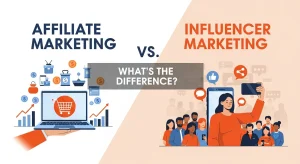
How Affiliate Marketing Can Help You Become an Influencer
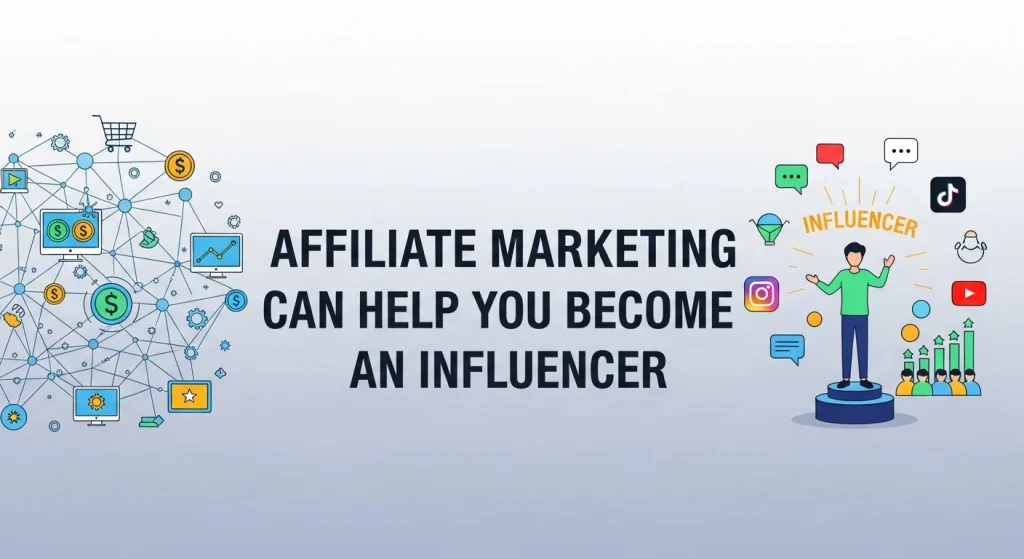
This comprehensive guide explores how affiliate marketing helps aspiring influencers build trust, monetize content, and establish authority. It includes actionable strategies, advanced tips, and a detailed FAQ section to scale influence and income effectively.
The rise of social media and accessible content creation tools has created incredible pathways for individuals to turn their passions into professions. For aspiring bloggers, vloggers, and content creators, the dream of building a personal brand and a sustainable career often seems just within reach. The central question remains: how do you transform your hobby and unique voice into a recognized and profitable venture? This is precisely where affiliate marketing enters the picture.
Affiliate marketing is not just a method for earning money online; it is a powerful strategy for building an engaged audience, establishing authority in your niche, and ultimately becoming a trusted influencer. It provides a framework for monetizing your content authentically while strengthening the bond you have with your followers.
This comprehensive guide will explore the symbiotic relationship between affiliate marketing and influencing. We will delve deep into the mechanics of affiliate marketing, uncover why it is an ideal model for aspiring influencers, and provide actionable, in-depth strategies to help you start earning income while building your personal brand from the ground up.
The Foundations of Affiliate Marketing for Aspiring Influencers
Before you can leverage affiliate marketing to build your influence, you must grasp its core principles. This model is more than just placing links; it’s about building a bridge of trust between brands you respect and an audience that looks to you for guidance. Understanding this foundation is the first step toward a successful career that combines content creation with strategic monetization.
What Exactly Is Affiliate Marketing?
At its heart, affiliate marketing is a performance-based marketing model where you, the affiliate (or publisher), promote a company’s product or service and earn a commission for each sale, lead, or click generated through your unique referral link. In essence, you partner with brands and introduce their offerings to your audience. When a member of your audience purchases through your specific link, the company pays you a percentage of the sale as a thank you for the referral.
Let’s illustrate this with a simple scenario. Imagine you are a passionate home cook who runs a food blog. You frequently use a particular brand of high-quality stand mixer in your recipe videos and posts. By joining that brand’s affiliate marketing program, you receive a unique link. You can then place this link in your blog posts, video descriptions, or social media bios. When one of your followers, inspired by your delicious creations, clicks that link and buys the mixer, you earn a commission.
The true appeal of affiliate marketing lies in its simplicity and accessibility. You are not required to develop your own products, manage inventory, handle shipping, or deal with customer service. Your role is that of a trusted mediator, connecting your audience with products that can solve their problems or enhance their lives. You profit from successful recommendations, making it a seamless extension of the value you already provide through your content. Now, how does this powerful system integrate with the journey of becoming an influencer? The connection is deeper and more strategic than you might think.
Why Affiliate Marketing and Influencing Are a Perfect Match
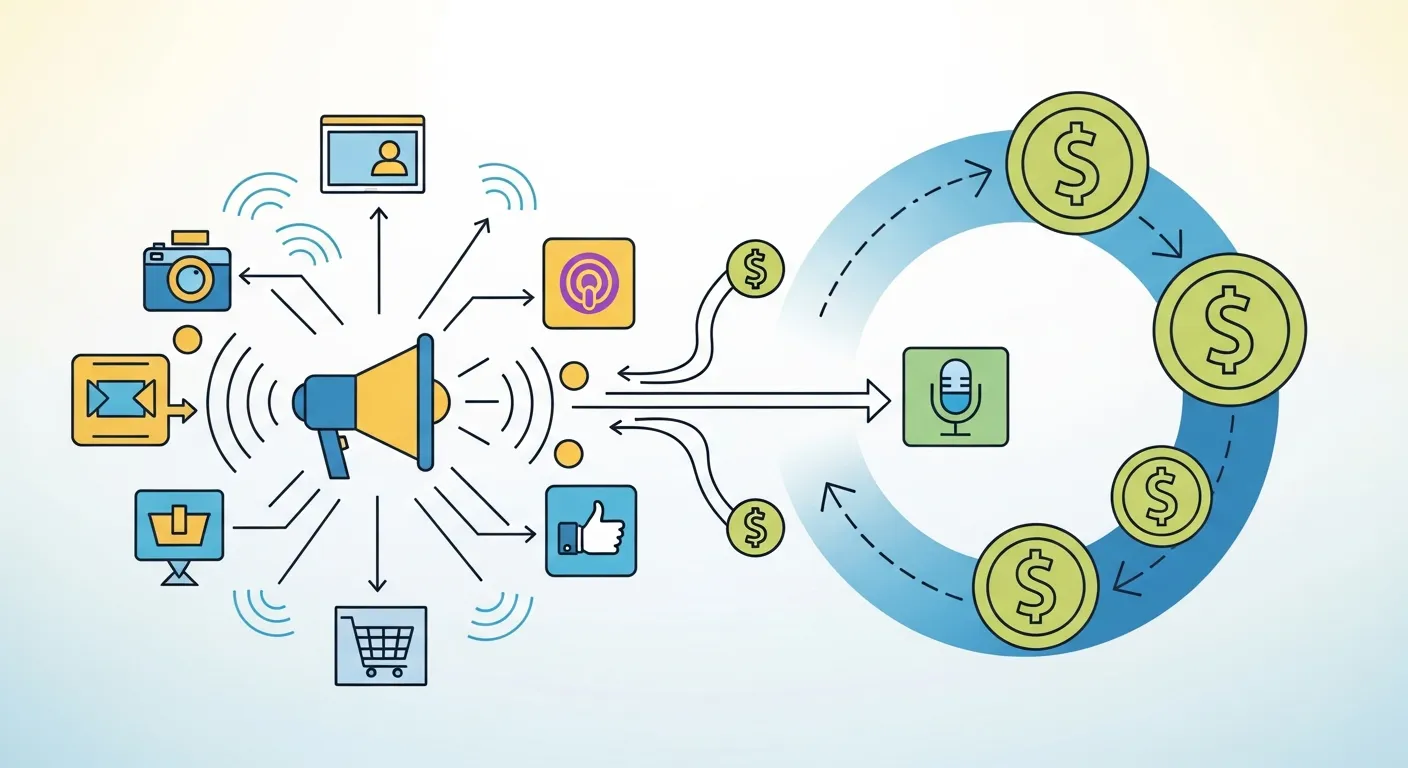
The goals of an influencer and the mechanics of affiliate marketing are perfectly aligned. One builds on the other, creating a cycle of growth, trust, and revenue. An influencer’s primary asset is their relationship with their audience, and affiliate marketing, when done correctly, enhances that relationship rather than compromising it.
Building Trust Through Authentic Recommendations
Trust is the currency of the influencer world. Your followers are drawn to you because they value your opinions, believe in your expertise, and appreciate your authentic perspective. Affiliate marketing allows you to monetize this trust without selling out. By promoting products or services you genuinely use, love, and believe in, you reinforce your authenticity. Your recommendations become a natural extension of your content, providing real value to your audience.
For example, a travel vlogger who partners with an eco-friendly luggage brand they have been using for years isn’t just selling a product; they are sharing a solution that aligns with their values and their audience’s interests. This kind of authentic endorsement strengthens the connection and solidifies their status as a reliable source of information. This is a far cry from a one-off sponsored post for a product the influencer has never used. Consistent, genuine recommendations are the bedrock of a lasting influencer career, and affiliate marketing provides the ideal framework for this.
Monetizing Your Content Effortlessly and Sustainably
While many aspiring influencers dream of lucrative brand sponsorships, these deals can be inconsistent, especially in the early stages. Affiliate marketing provides a supplementary—and often more stable—revenue stream. You can embed affiliate links across all your content platforms, from blog articles and YouTube videos to Instagram stories and email newsletters. This “evergreen” monetization means a single piece of content can continue generating income for months or even years after it’s published.
This strategic approach to monetization provides the financial stability needed to scale your brand. The passive income from affiliate marketing can be reinvested into better equipment, educational courses, or even hiring a virtual assistant. It frees you from the pressure of chasing one-time deals and allows you to focus on what matters most: creating high-quality, valuable content for your community.
Establishing Deep Authority in Your Niche
Partnering with reputable brands through affiliate marketing is a powerful way to build your credibility. When you consistently align yourself with well-respected companies within your niche, you are making a statement. You are showing your audience that you are discerning and that you have a standard of quality. Over time, this selective process earns you recognition as an authority figure and a go-to expert.
Consider a tech reviewer who focuses on budget-friendly gadgets. By partnering with established, reliable brands in that space, they signal to their audience that their recommendations are well-researched and trustworthy. Their content becomes more than just reviews; it becomes a curated guide for consumers. Staying up to date with digital trends—such as exploring influencer marketing’s role in launching NFTs—can further enhance your authority in the space. This strategic alignment accelerates the journey from content creator to respected influencer. The practice of affiliate marketing forces you to become an expert, as you must deeply understand the products you promote to speak about them authentically.
Scaling Your Influence at Every Stage
One of the most significant advantages of affiliate marketing is its scalability. It adapts to your growth, making it a viable strategy for creators at every level.
- Beginners: Even with a small but engaged following, you can join large-scale programs. Amazon Associates, for example, is famous for its low barrier to entry, allowing new creators to start monetizing almost immediately. This early income can be a massive motivator.
- Growing Creators: As your audience expands, you can apply to more specialized affiliate networks like ShareASale, CJ Affiliate, or Impact. These platforms connect you with thousands of brands, including niche-specific companies that may be a perfect fit for your audience.
- Established Influencers: With a large following, you can negotiate higher commission rates or even secure exclusive partnerships with brands. Your proven ability to drive sales makes you a highly valuable partner.
The passive income generated through affiliate marketing fuels your growth. It allows you to invest back into your brand, whether that means upgrading your camera, launching a website, or attending industry conferences. It’s a self-perpetuating cycle: your influence grows your affiliate marketing income, and that income helps you further expand your influence.
A Strategic Blueprint for Affiliate Marketing Success
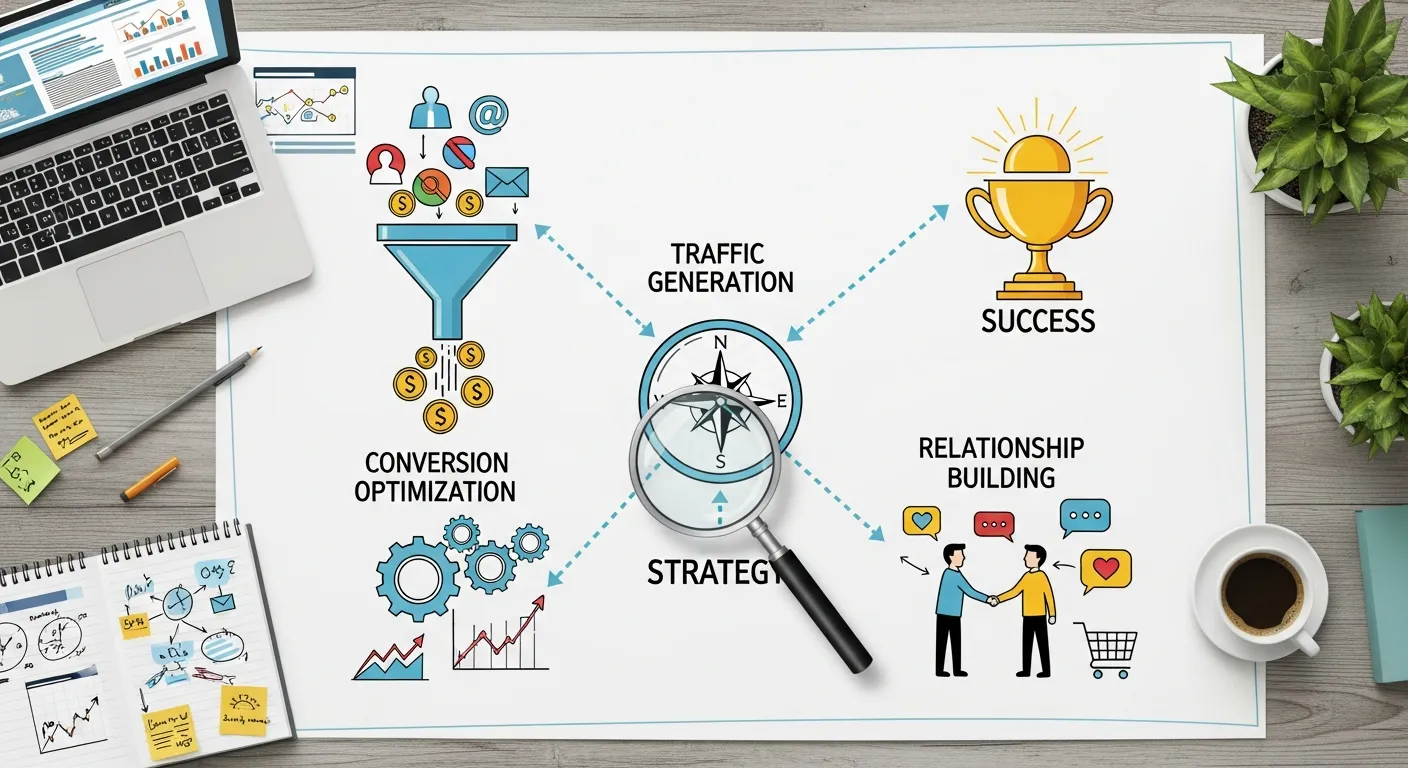
Getting started with affiliate marketing doesn’t need to be an overwhelming process. By following a structured, strategic approach, you can seamlessly integrate this monetization method into your content creation workflow. This section provides a detailed blueprint to guide you from choosing your niche to building a loyal, engaged community that trusts your recommendations.
Define Your Niche with Precision
The most critical first step in both influencing and affiliate marketing is choosing your niche. A niche is more than just a broad topic; it’s the specific area of interest where you will become a recognized expert. Your niche defines your target audience, the type of content you will create, and the products you can authentically promote.
The Power of a Well-Defined Niche
- Audience Targeting: A clear niche helps you attract a specific, dedicated audience that is genuinely interested in your content. A broad “lifestyle” blog is much harder to grow than a blog focused on “sustainable living for urban families.”
- Content Focus: It provides a clear direction for your content strategy. You will always know what topics to cover, what problems to solve, and what questions to answer for your audience.
- Authenticity: Most importantly, choose a niche you are genuinely passionate about. Your enthusiasm (or lack thereof) will be evident to your audience. Authentic passion is magnetic and builds trust faster than any other tactic.
To find your niche, ask yourself: What topics could I talk about for hours? What are my hobbies, skills, or areas of expertise? What problems do my friends and family come to me for help with? The intersection of your passion, knowledge, and audience demand is where your perfect niche lies. For those starting small, understanding the nuances of a micro-influencer marketing guide can provide targeted strategies for dominating a smaller, highly engaged niche.
Create High-Quality, Value-Driven Content
Your success as both an influencer and an affiliate marketer hinges on the quality and value of your content. People follow influencers because they are entertained, educated, or inspired. Your content is the vehicle for your affiliate recommendations, so it must be exceptional. The goal is to incorporate affiliate products so seamlessly that they feel like a natural solution to your audience’s needs, not a sales pitch.
Content Formats for Effective Affiliate Marketing
- In-Depth Blog Posts: Write articles that solve a specific problem. A post titled “The Top 10 Essentials for a First-Time Camper” is a perfect place to include affiliate links for tents, sleeping bags, and cooking gear. How-to guides, tutorials, and listicles are highly effective formats for this type of affiliate marketing.
- Engaging Video Content: Create YouTube videos, Instagram Reels, or TikToks that showcase you using the affiliate products in your daily life. A “get ready with me” video can feature skincare and makeup products, while a “day in the life” vlog can naturally include everything from your coffee maker to your workout gear.
- Honest Product Reviews: Dedicate content to reviewing a single product or comparing several options. Provide a balanced view, highlighting both pros and cons. This honesty builds immense trust and makes your eventual recommendation more powerful. A video titled “Is the new GoPro worth it? An Honest Review” will attract highly motivated buyers.
- Resource Pages: Create a dedicated page on your blog or website titled “My Favorite Gear” or “Tools I Use.” This becomes a central hub for all your top recommendations and is an easy link to share with your audience.
The key is to always lead with value. Your audience’s needs should come first. When you focus on helping them, the affiliate marketing income will follow naturally.
Step 3: Join the Right Affiliate Programs
Once you have a niche and a content plan, it’s time to find and join affiliate marketing programs. There is a vast ecosystem of programs and networks, so it’s important to choose ones that align with your brand, values, and audience interests.
Types of Affiliate Programs
- High-Volume, Low-Commission Programs: These are programs like Amazon Associates. They sell a massive variety of products, but the commission rates are typically low (1-10%). They are excellent for beginners because they are easy to join and offer a wide range of products to recommend.
- Low-Volume, High-Commission Programs: These are often niche-specific companies that sell high-ticket items or digital products (like software or online courses). A single sale might earn you a commission of $50, $100, or even more. These programs are more selective but can be incredibly lucrative.
- Affiliate Networks: These are marketplaces that connect publishers (like you) with thousands of merchants. Networks like CJ Affiliate, ShareASale, and Rakuten Advertising offer a centralized platform to find and manage partnerships across various industries. This is an efficient way to discover new brands and diversify yourefforts. Some networks even facilitate finding the best influencer marketing services in the UK and other regions, streamlining collaboration.
Affiliate Marketing—explore curated options and find trusted partners by checking resources like the best influencer marketing services in the UK.
When choosing a program, research the commission rates, cookie duration (the period after a click where you are eligible for a commission), and payment terms. Most importantly, ensure the products are high-quality and relevant to your audience. Promoting a poor-quality product can damage your credibility permanently.
Affiliate Program Comparison Table
|
Program Type |
Examples |
Commission Rate |
Best For |
|---|---|---|---|
|
Retail Giants |
Amazon Associates, Target Affiliates |
Low (1-10%) |
Beginners, wide product variety, high conversion rates. |
|
Affiliate Networks |
CJ Affiliate, ShareASale, Rakuten |
Variable (5-30%+) |
Intermediate to advanced creators, finding niche brands. |
|
SaaS/Digital |
ConvertKit, Teachable |
High (20-50% recurring) |
Creators in the business, marketing, or education niches. |
|
Direct Brand Programs |
Nike, Sephora, specific brand sites |
Variable |
Creators with a strong brand alignment and a large audience. |
This table provides a general overview, but you should always research each program individually to find the best fit for your specific affiliate marketing strategy.
Advanced Strategies for Scaling Your Influence and Income

Once you have the fundamentals of affiliate marketing in place, it’s time to implement advanced strategies that will accelerate your growth. This involves moving beyond simply placing links and adopting a more sophisticated approach to content creation, audience engagement, and strategic partnerships. Mastering these techniques will distinguish you as a professional influencer and significantly scale your income.
Master Strategic Affiliate Link Placement
How and where you place your affiliate links can have a dramatic impact on your click-through rates and earnings. Simply littering your content with links will appear spammy and turn your audience off. Strategic placement is about making it easy and intuitive for your audience to act on your recommendations at the moment they feel most inspired.
Best Practices for Link Placement
- In-Content Contextual Links: This is the most natural and effective method. Within your blog post or video description, link specific product keywords directly to the affiliate product page. For example, in the sentence, “For this recipe, I use my trusty 12-inch cast-iron skillet,” the phrase “12-inch cast-iron skillet” should contain the affiliate link.
- Call-to-Action (CTA) Buttons: Use visually distinct buttons for important links. A button with text like “Check Price on Amazon” or “Learn More Here” draws the eye and encourages clicks more effectively than a simple text link.
- Resource and Tools Pages: As mentioned earlier, a dedicated resource page on your website is an affiliate marketing goldmine. It centralizes your best recommendations and serves as a valuable, evergreen asset you can link to from social media bios, email footers, and other content.
- Video “Cards” and End Screens: On YouTube, you can use interactive cards that pop up during your video to link to approved merchant sites. You can also add links to your end screen, guiding viewers to your recommended products after they’ve finished watching.
- Link in Bio Tools: For platforms like Instagram and TikTok that only allow one link in your bio, use a service like Linktree or Koji. This creates a simple landing page where you can host multiple affiliate links, directing your followers to different products, blog posts, and resources.
Remember, the goal is to be helpful, not pushy. Integrate links where they add value and make sense within the context of your content. This thoughtful approach to affiliate marketing will yield the best results.
Embrace Radical Transparency with Your Audience
In the world of influencer and affiliate marketing, trust is your most valuable asset. The fastest way to destroy that trust is to be dishonest about your financial relationships. Always disclose that you are using affiliate links. Not only is this an ethical best practice, but in many countries, including the United States (per FTC guidelines), it is a legal requirement.
How to Disclose Affiliate Partnerships Effectively
- Clear and Conspicuous Disclosure: Place a clear disclosure statement at the beginning of your blog posts or in the description of your videos. A simple sentence is all it takes:
-
- “This post contains affiliate links. If you purchase through these links, I may earn a small commission at no extra cost to you. Thank you for your support!”
- Use Platform-Specific Tools: Many social media platforms have built-in tools for disclosing partnerships. Instagram, for example, has a “Paid Partnership” label that you can use on posts and stories. Use these tools whenever applicable.
- Be Proud of Your Partnerships: Don’t hide your disclosures in tiny font at the bottom of the page. Frame your affiliate marketing partnerships as a way for your audience to support your work. When you are transparent and explain that using your links helps you continue creating free, valuable content, most followers are happy to support you.
Transparency builds a stronger, more loyal community. Your audience will appreciate your honesty and be more likely to trust your recommendations in the long run.
Actively Engage with Your Community
Affiliate marketing is not a “set it and forget it” strategy. It is an active, ongoing conversation with your community. Engagement is what transforms passive followers into a loyal tribe that eagerly awaits your next recommendation. An engaged community is far more likely to convert.
Methods for Deepening Community Engagement
- Respond to Comments and DMs: When followers ask questions about the products you recommend, answer them thoughtfully. Share your personal experiences and offer additional advice. This one-on-one interaction is incredibly powerful for building trust.
- Run Polls and Q&A Sessions: Use Instagram Stories, YouTube Community posts, or other platforms to ask your audience what they are struggling with or what products they are curious about. This provides you with valuable content ideas and shows that you are listening to their needs. A Q&A session dedicated to your “Top 5 Favorite Skincare Products” can be a great way to drive affiliate marketing sales.
- Create a Community Forum: For established influencers, creating a private Facebook Group or Discord server can foster a deeper sense of community. This gives your most dedicated fans a place to connect with you and each other, creating a powerful feedback loop for your content and affiliate recommendations.
- Share User-Generated Content: When a follower buys a product based on your recommendation and loves it, ask for their permission to share their story or photo. This social proof is incredibly persuasive and reinforces the value of your recommendations.
A thriving community is the engine of a successful influencer brand. Nurture it, listen to it, and serve it. Your affiliate marketing efforts will flourish as a direct result. By consistently applying these foundational and advanced strategies, you can build a robust system that not only generates significant income but also solidifies your position as a trusted and respected influencer in your niche.
Frequently Asked Questions (FAQ)
1. How many followers do I need to start affiliate marketing?
You don’t need a massive following to begin. Many affiliate marketing programs, like Amazon Associates, have very low entry barriers. The key is having an engaged audience that trusts you, even if it’s small. A creator with 1,000 engaged followers can often earn more than one with 10,000 passive followers.
2. Can I do affiliate marketing without a website?
Yes, absolutely. You can effectively practice affiliate marketing through social media platforms like YouTube, Instagram, TikTok, and Pinterest. By placing affiliate links in your video descriptions, “link in bio” pages, and dedicated content, you can drive sales directly from your social channels without needing a traditional blog.
3. How do I choose the right products to promote?
Only promote products you have used yourself and genuinely believe in. Your recommendations must be authentic to maintain credibility. Choose products that are highly relevant to your niche and solve a real problem for your audience. Promoting a random, irrelevant product will erode trust quickly.
4. How much money can I realistically make with affiliate marketing?
Income varies dramatically and depends on your niche, audience size, engagement rate, and the commission structure of the products you promote. Beginners might earn a few dollars a month, while top-tier influencers can earn tens of thousands. Focusing on providing value is key—understanding influencer marketing benefits and best practices can help you maximize your earning potential over time. For further insights, check out this resource: influencer marketing benefits and best practices.
5. Is it better to join an affiliate network or a direct brand program?
It depends. Networks like ShareASale or CJ Affiliate offer variety and make it easy to manage multiple partnerships. Direct programs may offer higher commissions but require individual applications. A good strategy is to start with a network and then pursue direct partnerships with brands you love and perform well with.
6. How can I track my affiliate marketing success?
All affiliate programs and networks provide a dashboard where you can track clicks, conversions, and earnings in real-time. Use this data to understand what products resonate with your audience and which content formats are driving the most sales. This allows you to optimize your strategy for better results.
7. What is an affiliate disclosure, and why is it important?
An affiliate disclosure is a statement informing your audience that you may earn a commission if they purchase through your links. It is crucial for transparency and is legally required in many regions (like the U.S. under FTC guidelines). Honesty builds trust, which is essential for long-term success.
8. How can I find brands to partner with in my niche?
Start by looking at the products and services you already use and love; check their websites for an “Affiliates” or “Partners” link. You can also use affiliate networks to search for merchants by category. For more direct outreach and collaboration tools, visit: influencer outreach tools for your next collab.
9. Can I use affiliate links on all social media platforms?
Most platforms allow affiliate links, but you must check their specific terms of service. For example, some platforms may restrict clickable links in certain post formats. Always use disclosures like #ad or #affiliatelink, and on platforms like Instagram, use a “link in bio” service to house your main affiliate links.
10. How is technology changing affiliate marketing for influencers?
Technology is constantly evolving the landscape. Data analytics are becoming more sophisticated, allowing for better audience targeting. To see how AI is reshaping influencer marketing, check out this quick read: How AI is transforming influencer marketing. With these new tools, you can optimize campaigns, predict trends, and personalize recommendations, making